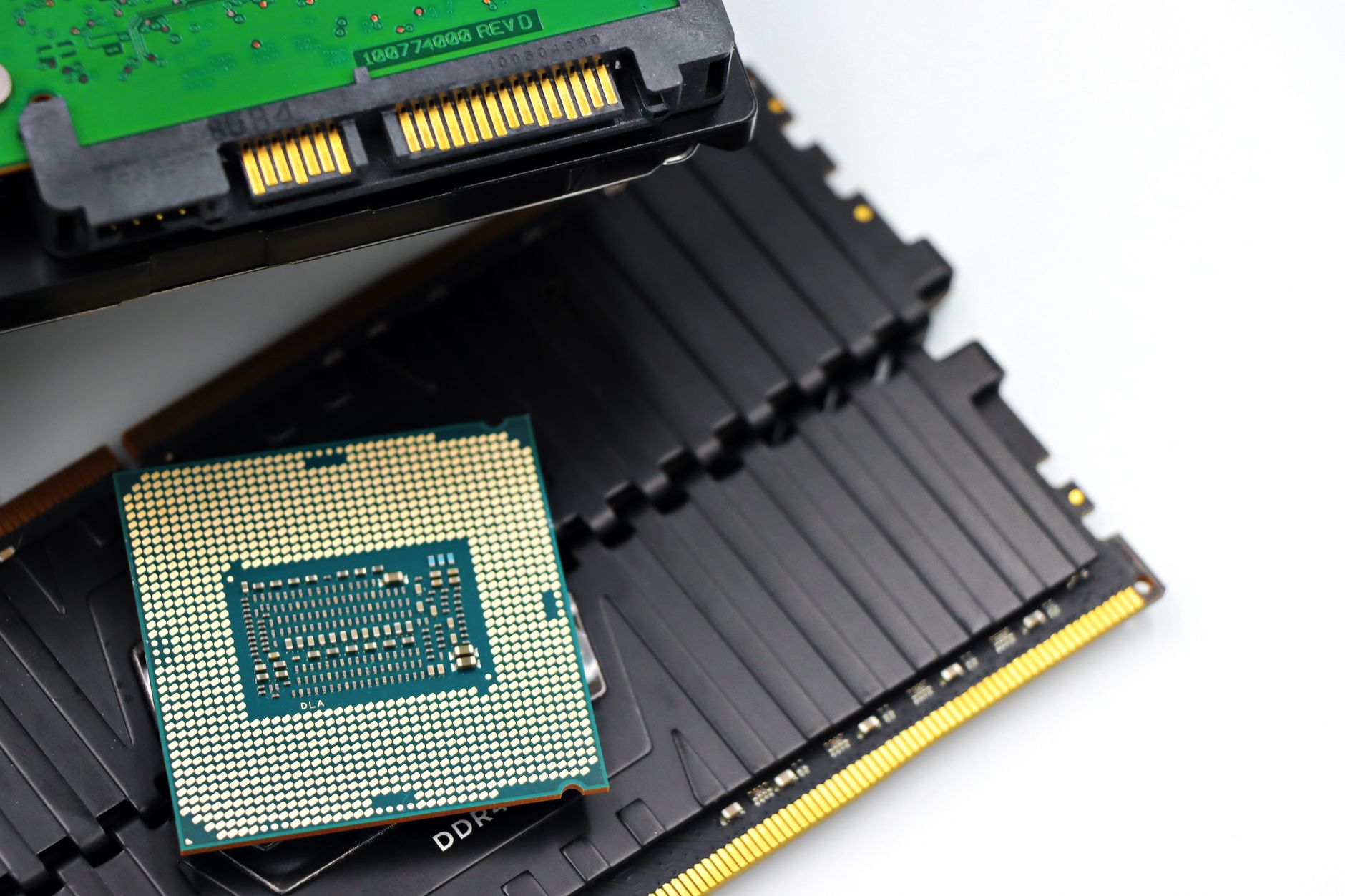
The debate over DDR4 vs. DDR5 in budget gaming laptops isn’t just about raw speed anymore. It’s about what buyers are willing to sacrifice—and what they should sacrifice. Acer’s Nitro V15 forces that question into sharp relief. By sticking with DDR4 in a segment where DDR5 has become the default, Acer isn’t just saving money; it’s making a statement about priorities. But is that statement one of foresight or compromise?
One common assumption is that DDR4 is a relic, a technology so outdated it should only appear in entry-level systems or older models. Yet in the Nitro V15, DDR4 isn’t just present—it’s the backbone of a machine designed to deliver solid 1080p gaming performance without the premium price tag. The reality? DDR4 isn’t dead. It’s just no longer the future. For Acer, the choice boils down to cost: DDR5 modules remain significantly more expensive than their DDR4 counterparts, even as supply chains gradually stabilize. The laptop’s 16GB of DDR4-3200 RAM may not match the bandwidth of DDR5, but in pure gaming scenarios—especially at 1080p—it won’t leave most users wanting.
The bigger question is whether this tradeoff makes sense long-term. DDR5 isn’t just faster; it’s more power-efficient in some workloads, and its higher capacity modules (up to 32GB or 64GB) are becoming standard for productivity tasks. The Nitro V15’s 16GB DDR4 setup is fine for gaming, but it’s a bottleneck for anything beyond. Video editing, streaming, or running virtual machines will feel the pinch, as will future-proofing for games that demand more memory bandwidth. The laptop’s Core i7-13620H, with its 14 performance cores and 20 threads, could benefit from DDR5’s increased speed, particularly in multithreaded workloads where memory latency matters.
Then there’s the GPU. The RTX 5050, with its 75W TGP and 8GB of VRAM, is a capable 1080p card—but it’s not a powerhouse. Paired with DDR4, it reinforces the laptop’s identity as a budget-friendly option rather than a performance beast. The RTX 5060, with its 85W TGP and slightly better clock speeds, is a more future-proof choice, but it’s also more expensive to implement. Acer’s decision to pair the 5050 with DDR4 suggests a focus on balancing cost across the entire system, even if it means sacrificing some upgradeability.
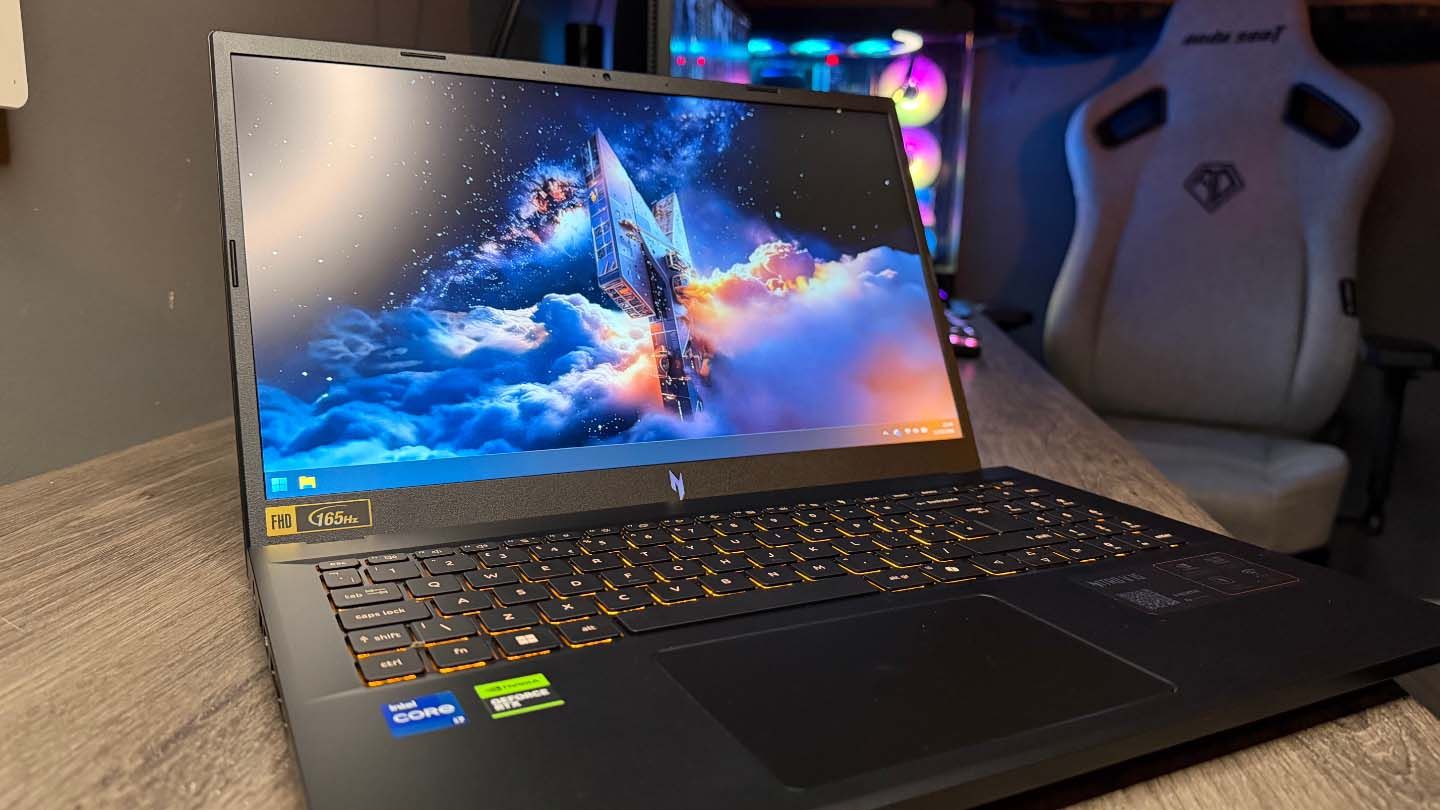
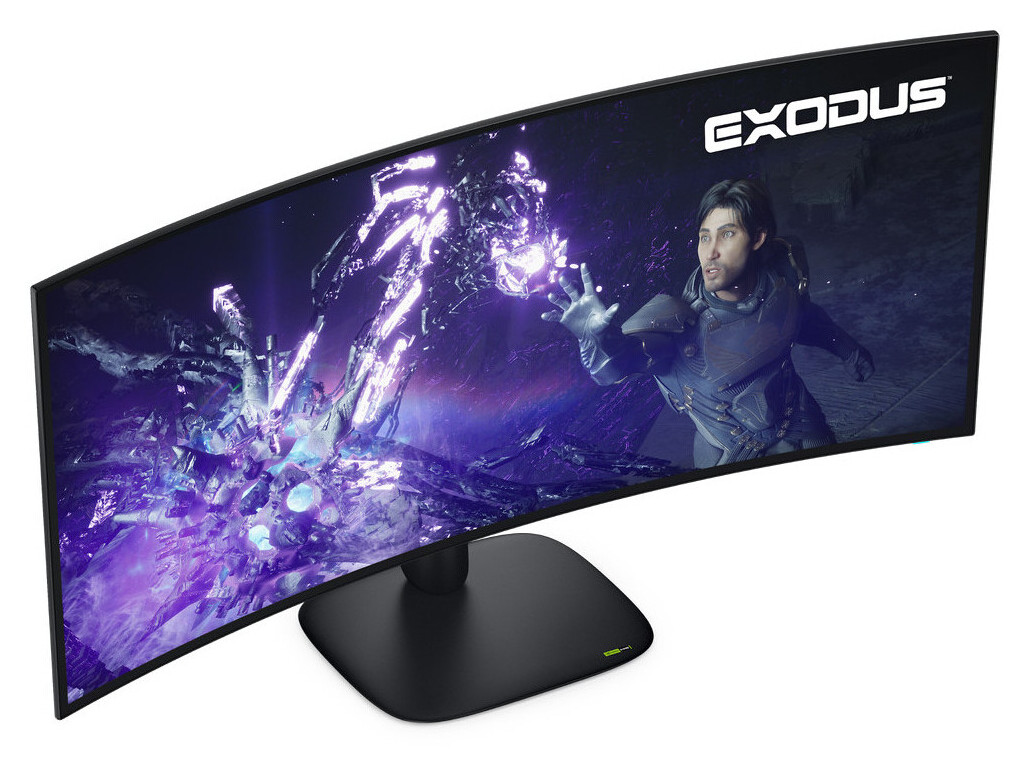
The display, however, is a bright spot. A 15.6-inch 1080p IPS panel with a 165Hz refresh rate is a standout feature in this price range. It delivers smooth visuals with minimal motion blur, making it ideal for fast-paced games like Call of Duty or *Overwatch 2*. The panel’s brightness and color accuracy are also better than average for the segment, though it lacks the high peak brightness or HDR certification found in premium models. For gamers who prioritize smoothness over cutting-edge visuals, this is a strong selling point.
Storage is where the Nitro V15 falls short again. The 500GB PCIe 4.0 SSD is adequate for Windows and a handful of games, but it leaves little room for additional software or updates. Users will need to rely on external storage or cloud solutions to expand capacity, which is a hassle in an era where 1TB SSDs are increasingly common in this price range. The drive’s sequential read speeds (~4,700MB/s) are also slower than newer PCIe 4.0 or PCIe 5.0 drives, adding to the sense of being a step behind.
So who should consider the Nitro V15? It’s not for enthusiasts or power users. It’s for gamers who need a reliable, affordable machine for 1080p gaming without the overhead of a premium system. If your workload is limited to modern esports titles or mid-range AAA games at medium settings, the DDR4 setup won’t hold you back. But if you’re running multiple applications simultaneously, streaming, or working with large files, you’ll quickly hit its limitations.
The real test of Acer’s gamble lies in how the market evolves. If DDR5 prices continue to drop, laptops like the Nitro V15 may look increasingly outdated. But if memory costs remain volatile, Acer’s approach could become a blueprint for budget gaming laptops in the coming years. For now, it’s a reminder that technology tradeoffs aren’t just about specs—they’re about what buyers are willing to pay for today, and what they’ll regret tomorrow.
The Nitro V15 isn’t a bad laptop. It’s a pragmatic one. And in 2024, pragmatism often wins over perfection.