Sony’s next-generation PlayStation console, long anticipated as the successor to the PlayStation 5, may not arrive until 2028—or even 2029—according to internal deliberations within the company. The delay stems from a combination of skyrocketing memory costs and an inability to secure sufficient DRAM allocations for mass production, sources familiar with Sony’s strategic planning suggest.
Initially, industry expectations had placed the PlayStation 6 in a 2027 launch window, aligning with Microsoft’s confirmed timeline for its next Xbox console. However, Sony’s revised schedule would not only postpone its entry into the next-gen console wars but also risk handing Microsoft a year-long—or even two-year—lead in hardware performance and exclusives.
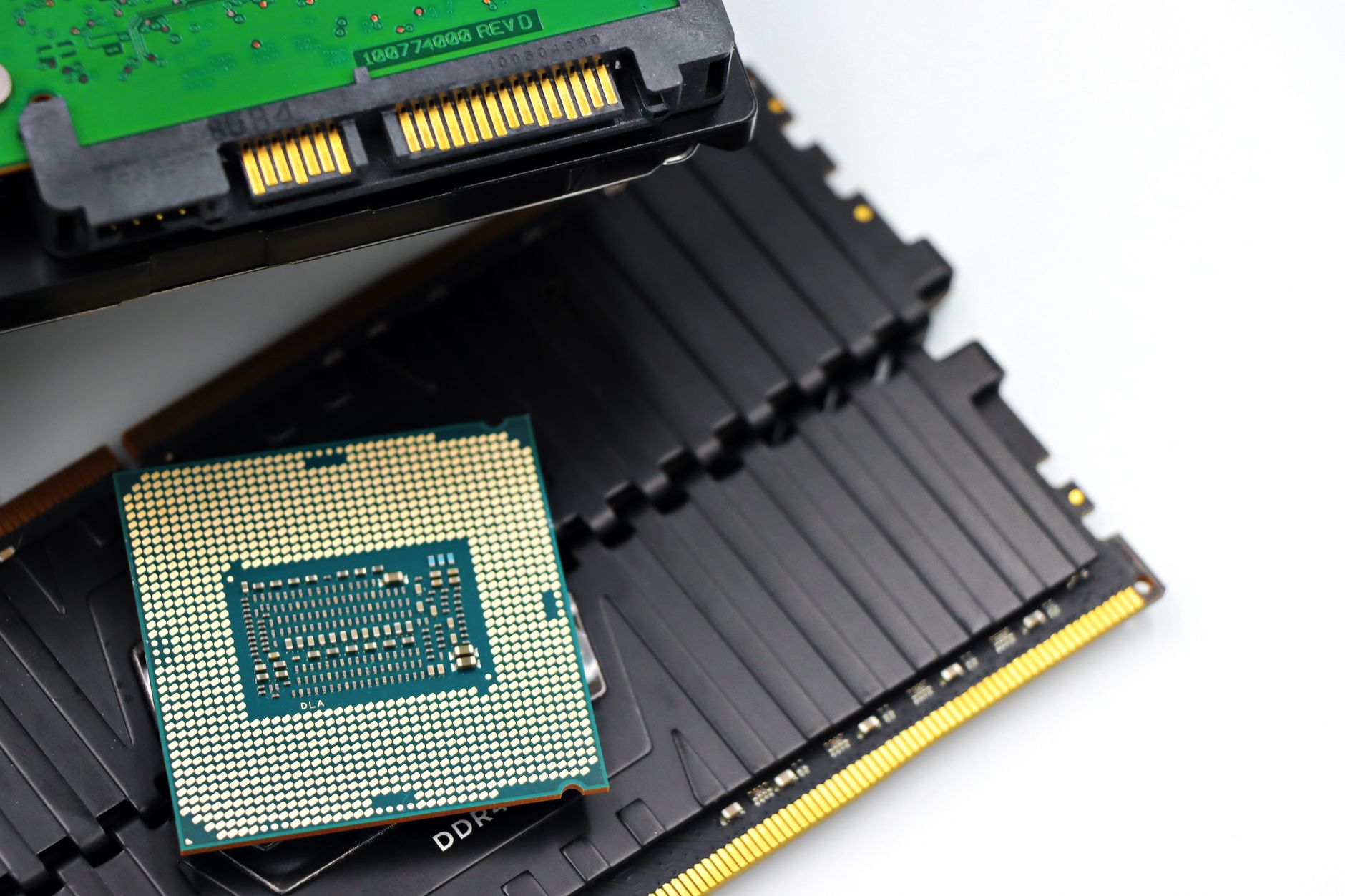
The core challenge centers on memory. Reports indicate Sony’s design for the PlayStation 6 may require up to 30 GB of GDDR7 memory, distributed across 3 GB modules. Securing such high-capacity allocations in today’s constrained semiconductor market—where only long-term OEM partners with deep supplier relationships can guarantee large-scale DRAM supplies—has proven difficult. The shortage extends beyond Sony, with major PC manufacturers reportedly exploring alternative memory suppliers in China due to persistent supply tightness.
Architectural Ambitions Stalled by Supply Chain Realities
Sony’s internal discussions reportedly revolve around an AMD-powered architecture, potentially leveraging a fork of the company’s upcoming UDNA graphics technology—rumored to feature 96 compute units and a 384-bit memory bus. While the technical specifications suggest a powerful console, the feasibility of manufacturing it hinges on resolving memory constraints. Without guaranteed access to GDDR7 modules, Sony’s ability to meet production timelines—or even finalize hardware designs—remains uncertain.
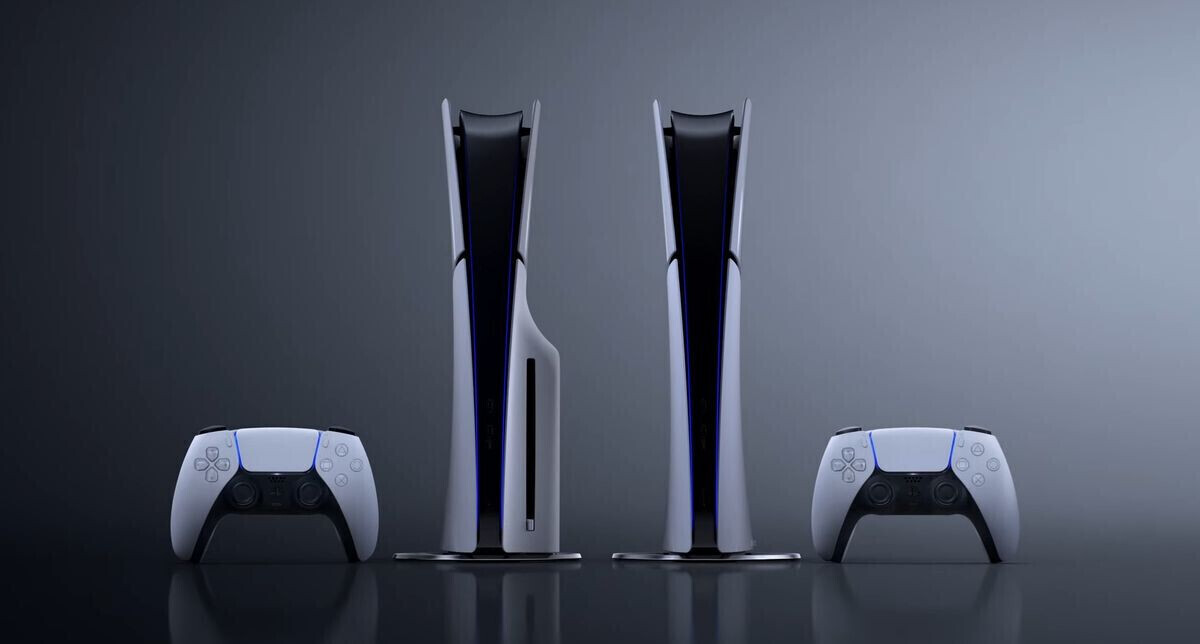
For gamers, the delay could mean a prolonged wait for a next-gen console, particularly if Microsoft’s Xbox arrives on schedule in 2027. Sony’s strategy has long relied on staggered hardware releases to sustain engagement between generations, but a two-year gap would mark a significant departure from that approach.
Who Wins in the Absence of a PlayStation 6?
Microsoft’s Xbox division, which has already confirmed its next console for 2027, would emerge as the sole next-gen contender if Sony’s delay holds. The Xbox’s potential advantage isn’t just about timing; leaks suggest Microsoft’s console could outperform Sony’s in raw specs, including GPU capabilities and memory bandwidth. For Sony, the delay presents a high-stakes gamble: either secure memory supplies and risk alienating its installed base with a late arrival, or accept a prolonged absence from the high-end console market.
Industry analysts warn that memory shortages could persist well into 2028, meaning Sony’s production challenges may not resolve quickly. The company’s ability to navigate these constraints will determine whether the PlayStation 6 remains a 2028 release—or becomes a 2029 project, further extending Microsoft’s lead in next-generation gaming hardware.