RAM prices have reached unprecedented levels, with DDR5 now commanding a premium that suggests no immediate relief for consumers or businesses. The latest data indicates DDR5 memory is 4.4 times more expensive than it was just half a year ago, marking a sharp and alarming trend in the market.
The surge in DDR5 prices has outpaced earlier cycles of volatility, with analysts noting that the increase is not just a temporary spike but part of a broader pattern that could extend well into 2026. This follows a period where RAM prices had stabilized after years of fluctuation, leaving industry observers wondering if the current trajectory will lead to sustained high costs or if market dynamics will shift before significant relief arrives.
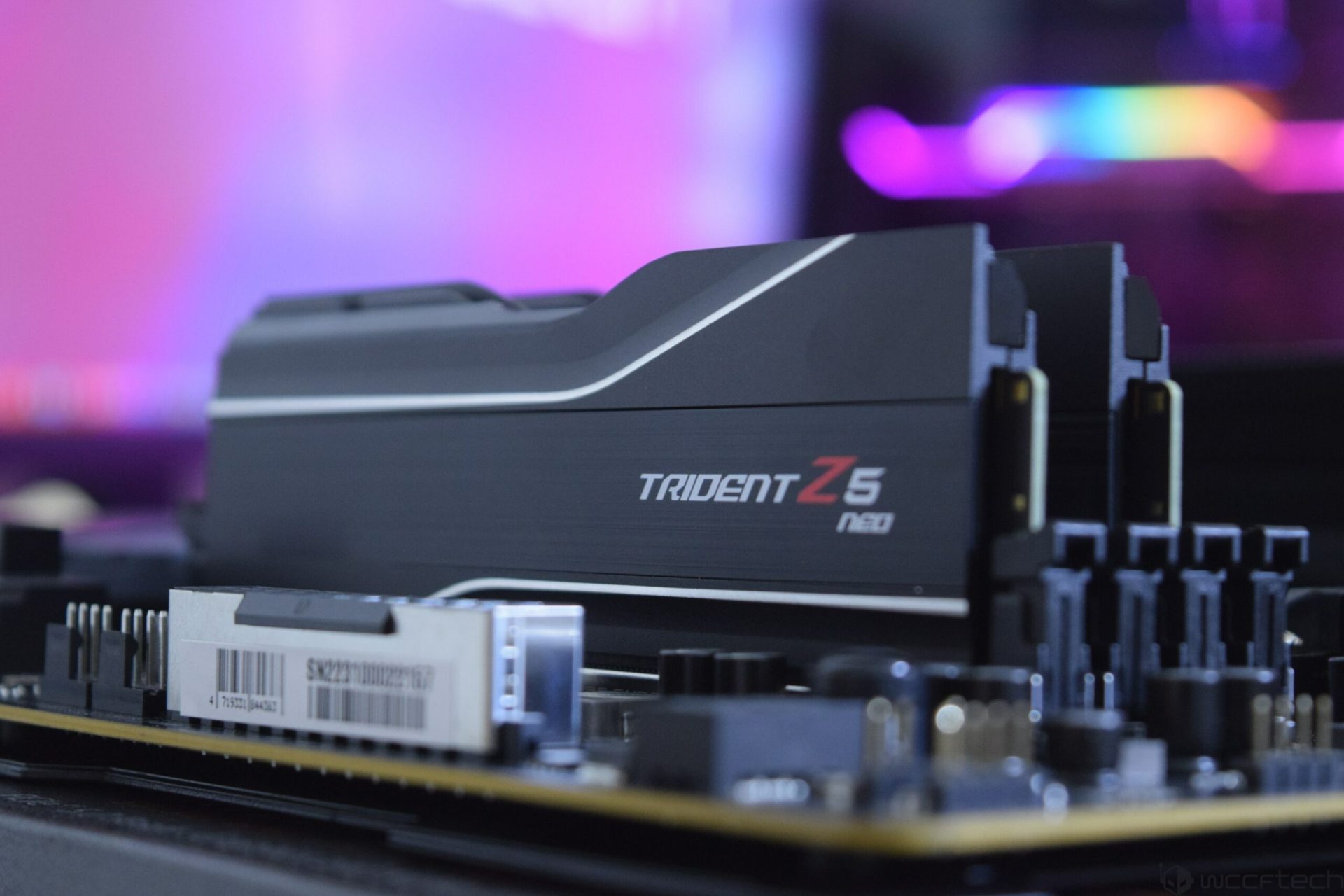
DDR5, the latest generation of memory technology, has been at the forefront of these price movements. Its adoption in high-performance computing and gaming systems has driven demand, but supply constraints—whether due to manufacturing bottlenecks or geopolitical factors—have pushed prices to levels that are testing the patience of both consumers and businesses. The 4.4x increase is particularly notable because it dwarfs previous spikes, which often saw prices rise by a fraction of this amount before stabilizing.
This trend has significant implications for the broader tech ecosystem. DDR5 is a critical component in next-generation PCs, servers, and data centers, where its performance advantages over older generations like DDR4 are driving its adoption. However, if prices remain elevated, it could slow down upgrades or force users to reconsider their hardware choices, potentially delaying the transition to more advanced systems.
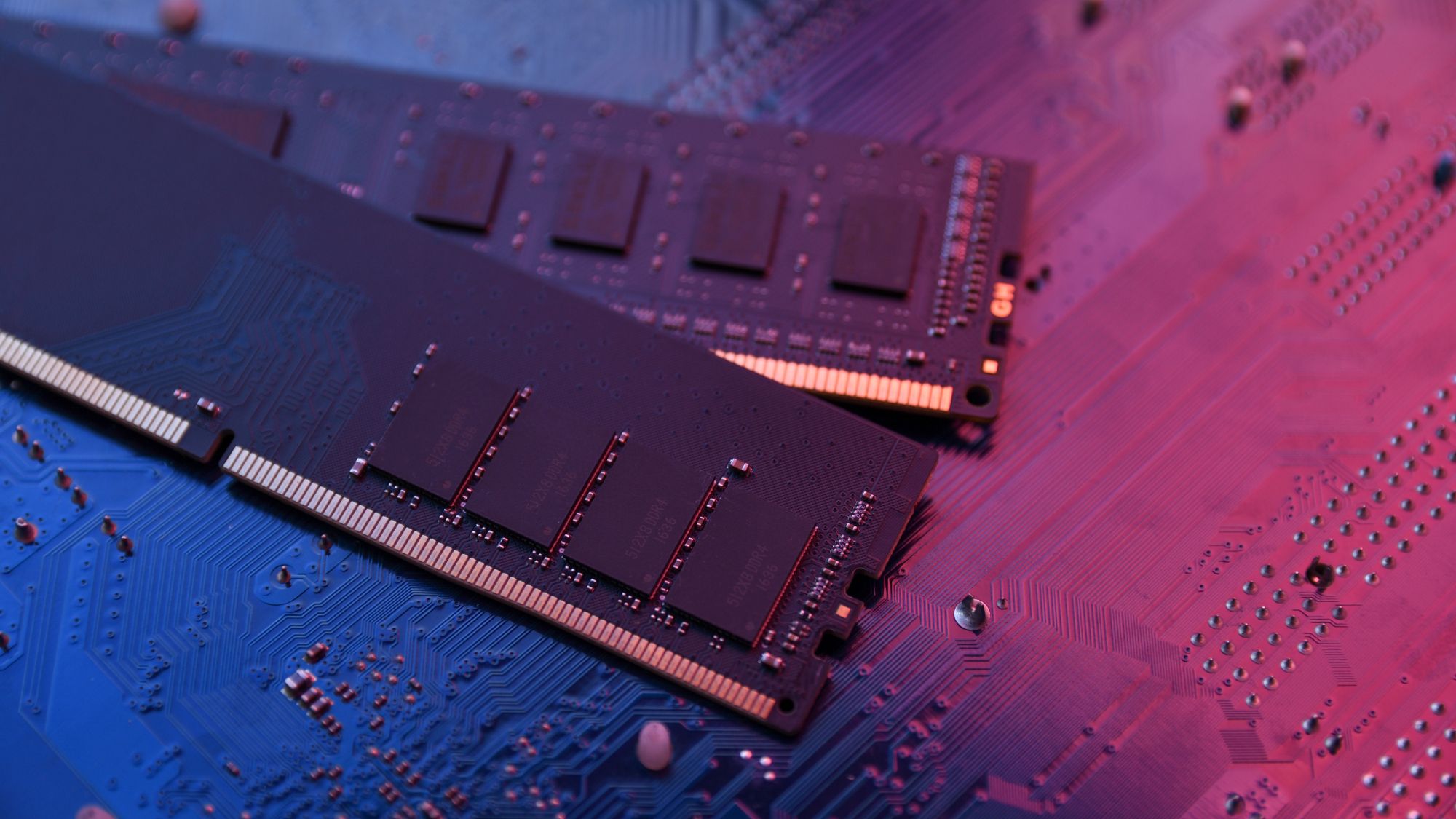
The situation is further complicated by the interplay between supply and demand. While DDR5 offers substantial improvements in speed and efficiency—often running at frequencies up to 4800MHz or higher—its production has not kept pace with its market penetration. This mismatch is creating a scenario where users are paying a premium for technology that, on paper, should offer better performance but comes with a steep cost.
Industry insiders suggest that the current price surge may be just the beginning of a longer-term trend. Factors such as rising material costs, limited manufacturing capacity, and global economic uncertainties could all contribute to keeping DDR5 prices elevated for an extended period. If this holds true, it could reshape how businesses and consumers approach hardware purchases in 2026 and beyond.
For now, the RAM market remains a watchful space, with stakeholders closely monitoring whether supply chains can stabilize or if additional disruptions will push prices even higher. The 4.4x increase serves as a stark reminder that the tech industry’s reliance on memory is not just about performance but also about affordability—a balance that appears increasingly precarious in the current climate.