For businesses and enthusiasts building new systems, the decision to buy DDR5 RAM now or wait could hinge on a single factor: patience.
The memory market is at a crossroads. After years of rapid adoption, supply chains are still stabilizing, and prices show no signs of dropping anytime soon. Industry estimates suggest DDR5 will remain expensive through 2028, with some predicting only gradual declines after that. Meanwhile, rumored price hikes on laptops—already a common upgrade path for consumers—could make waiting an even costlier strategy.
DDR5’s journey from premium status to mainstream staple is far from over. The technology, once hailed as the future of system memory, now faces a reality check: supply constraints, manufacturing challenges, and economic factors are keeping prices artificially high. For data centers and AI workloads, this means longer-term budget planning. For end users, it’s a question of whether to lock in current prices or risk paying more later.
- DDR5 capacity: 16GB–256GB modules (per DIMM), with speeds up to 4800MT/s.
- Current price range: $120–$300 per 16GB module, depending on speed and vendor.
- Estimated normalization window: Late 2027 to 2028, if supply stabilizes.
The core issue isn’t just production capacity—it’s the balance between demand and supply. DDR5’s adoption in high-performance computing and AI infrastructure has outpaced initial manufacturing forecasts. Without a sudden surge in module output or a significant drop in demand, prices are unlikely to soften before 2028. This timeline aligns with broader industry trends, where memory pricing cycles have lengthened compared to past generations.

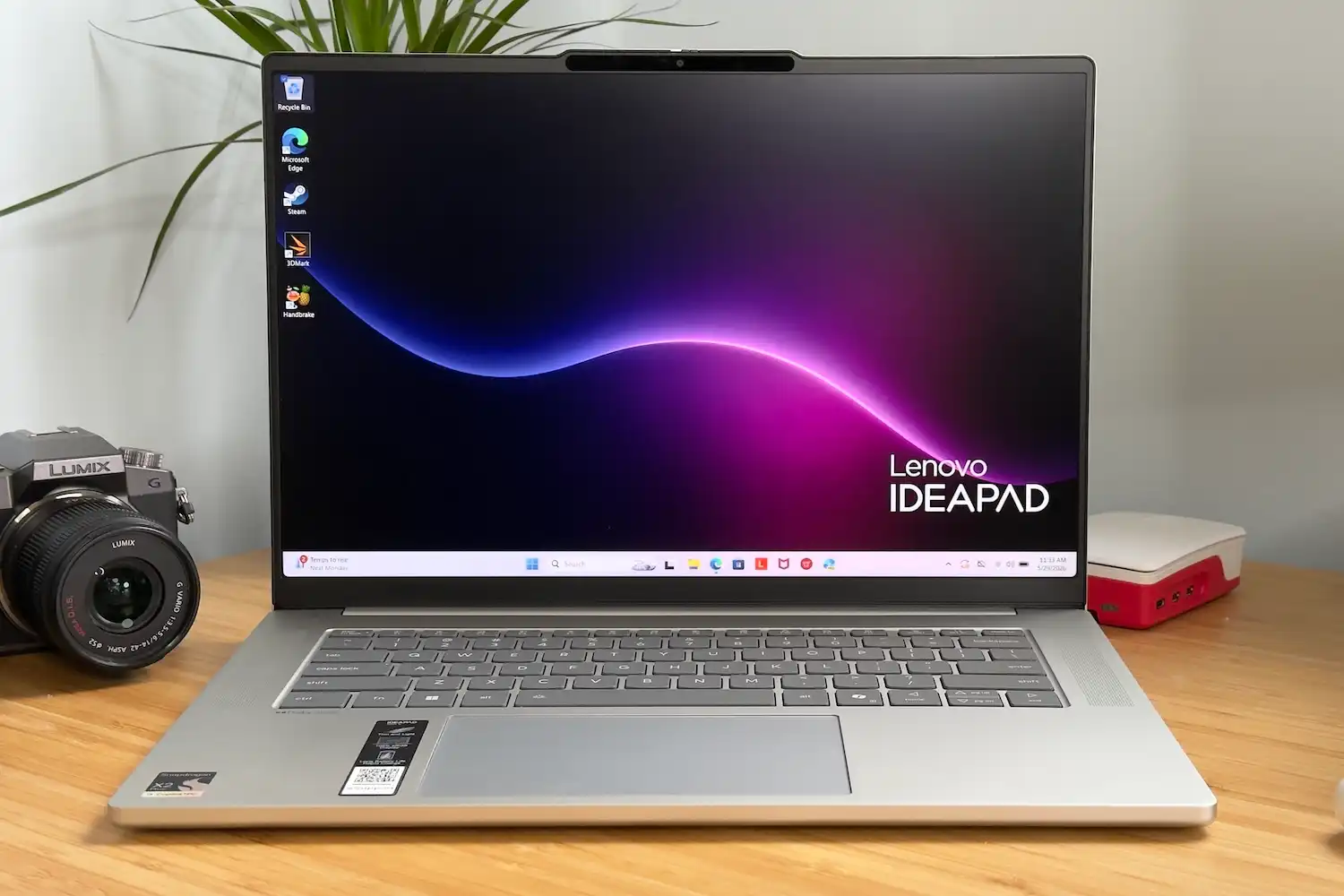
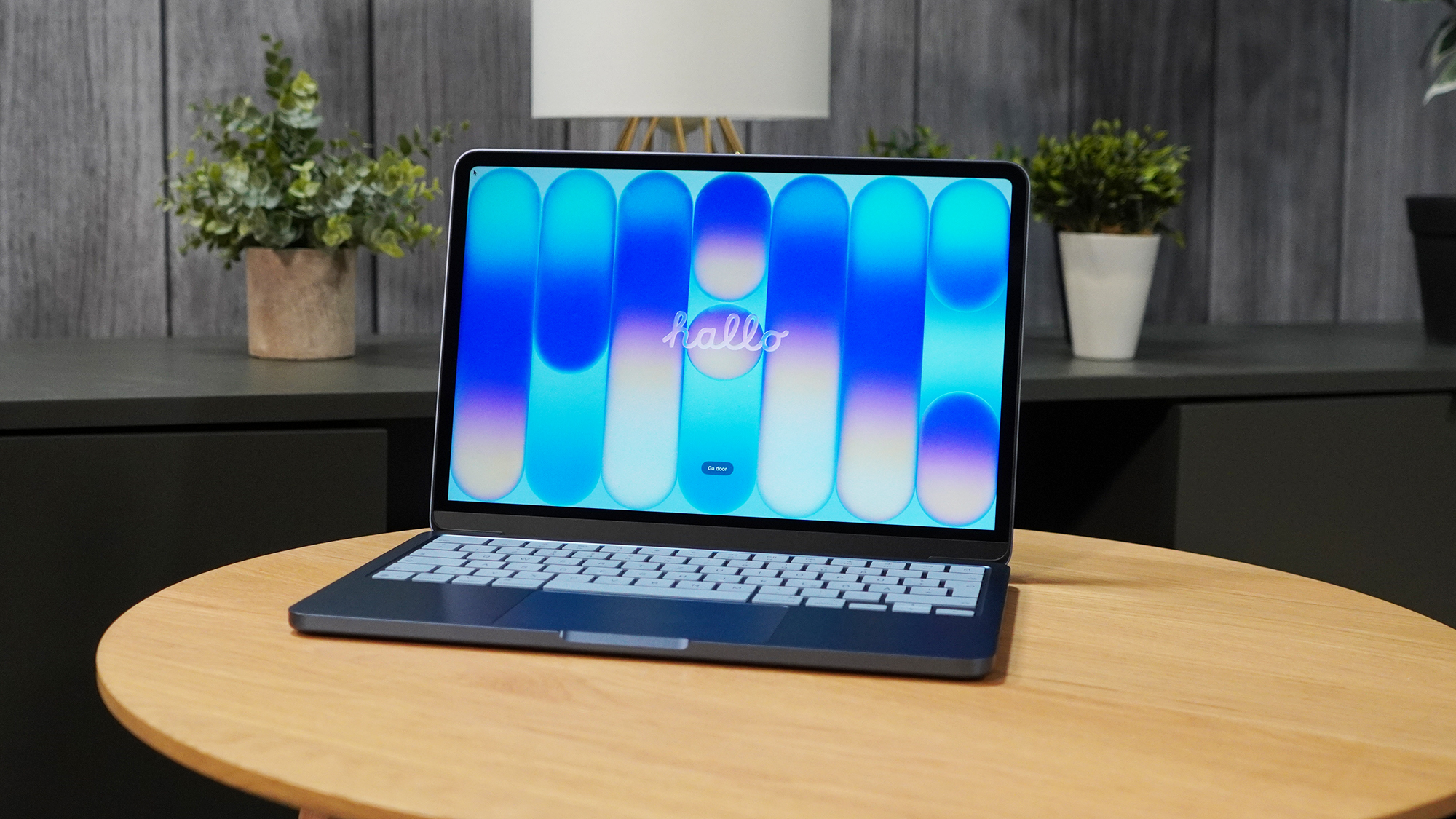
For buyers, the calculus is simple: if current DDR5 prices feel steep, waiting could mean paying even more. Laptop manufacturers, already facing component cost pressures, may pass those expenses directly to consumers. Preemptive purchases—especially for systems requiring higher-capacity modules—could avoid future sticker shock.
Yet caution remains warranted. Not all vendors are created equal. Some brands have already adjusted pricing based on supply agreements, while others are holding firm. Benchmarking performance against DDR4 isn’t always straightforward; real-world gains depend heavily on workload and system configuration. Without clear benchmarks for every use case, the decision to switch to DDR5 must weigh both cost and compatibility.
The memory market’s trajectory is a lesson in supply chain resilience. What was once a speculative upgrade path has become a necessity for modern systems. But necessity doesn’t always mean affordability. For now, buyers are left with two choices: pay up front or wait and see if the market delivers on its own timelines.