Enterprises running agentic AI face a stark choice: pay unpredictable cloud costs or rebuild infrastructure every time their workload grows. Dell’s latest deskside systems offer a third path—local, scalable, and built for the full range of open-weight models, from 30 billion to 1 trillion parameters.
The new Dell Deskside Agentic AI series is designed to keep inferencing local while scaling from workstation to data center. That’s the upside—here’s the catch: it requires a shift away from cloud-only strategies, but the savings can be dramatic. Dell claims organizations can break even versus public cloud APIs in as little as three months.
At the heart of the system is NVIDIA OpenShell, now supported across Dell’s AI Factory with NVIDIA. It provides a single security and policy layer from deskside workstations to PowerEdge XE servers, reducing exposure to cloud inference costs, bandwidth expenses, and IP risks. The solution pairs high-performance Dell workstations with NVIDIA’s NemoClaw reference stack—an open-source foundation for managing always-on AI agents.
Three configurations address different workload needs
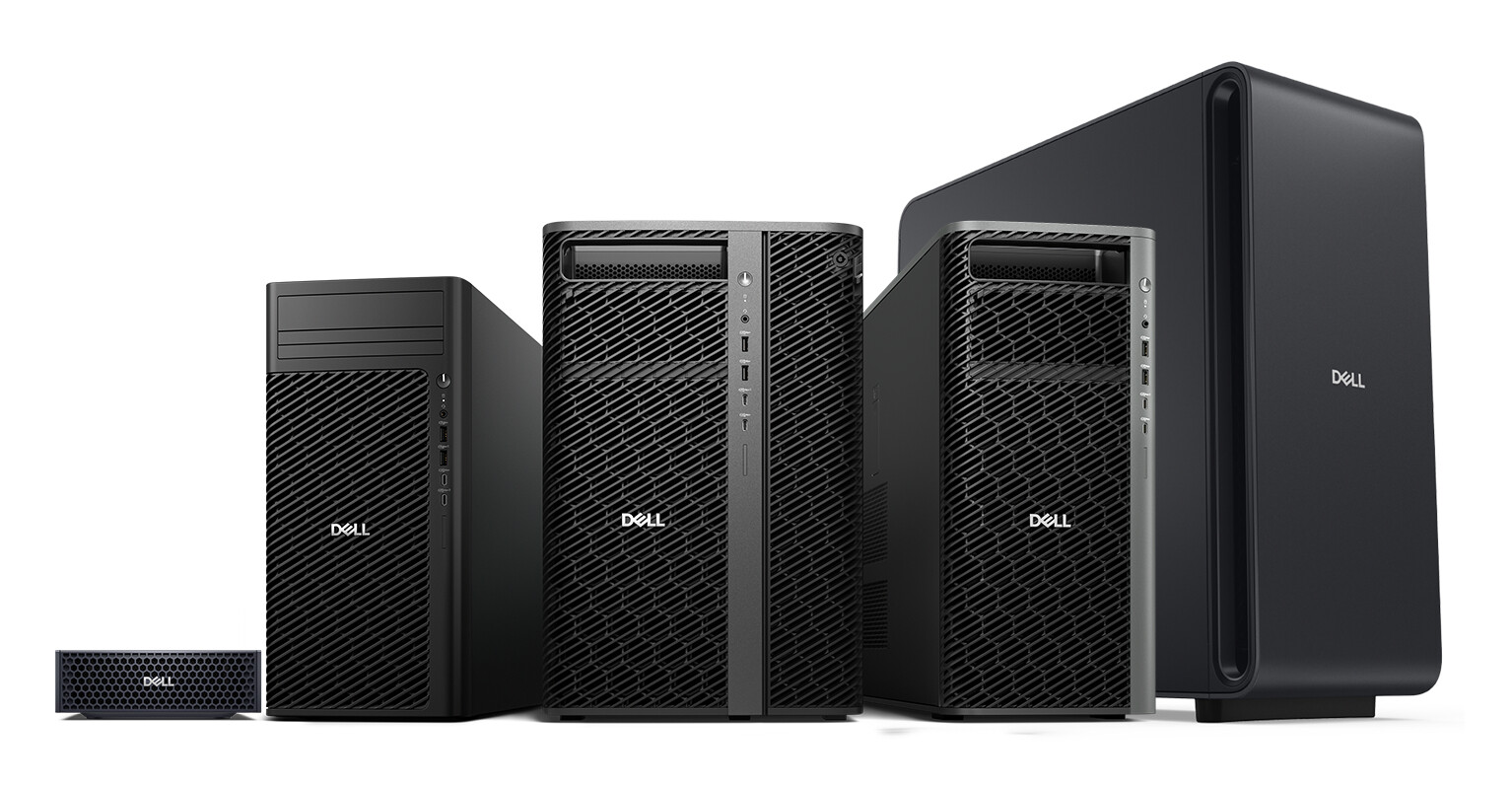
- Dell Pro Max with GB10: A compact, power-efficient system starting at 30 billion parameters, ideal for small-scale prototyping.
- Dell Pro Precision 9: Enterprise towers featuring Intel Xeon 600 processors and up to five NVIDIA RTX PRO Blackwell Workstation Edition GPUs, supporting models from 30 billion to 500 billion parameters.
- Dell Pro Max with GB300: Powered by the NVIDIA GB300 Grace Blackwell Ultra Desktop Superchip and Dell’s MaxCool technology, this platform handles frontier-level models up to 1 trillion parameters.
The systems are paired with Dell Services for end-to-end guidance on deployment, optimization, and skills training. NVIDIA AI-Q 2.0 blueprint support further accelerates production readiness, particularly in regulated industries like financial services and manufacturing.
Why it matters: Agentic AI workloads compound token usage at an accelerating rate, making cloud costs unsustainable over time. Dell’s approach keeps data on-premises, reduces spend by up to 87% compared to cloud APIs, and provides a scalable path from deskside prototyping to data center deployment.
For IT teams, the decision hinges on whether local control and predictable costs outweigh the need for cloud flexibility. If workloads are sensitive or cost-sensitive, Dell’s systems offer a compelling alternative to public cloud dependencies.
The single most important change is this: enterprises no longer have to choose between scalability and data sovereignty. They can run agentic AI locally, scale securely, and avoid the pitfalls of unpredictable cloud spending.