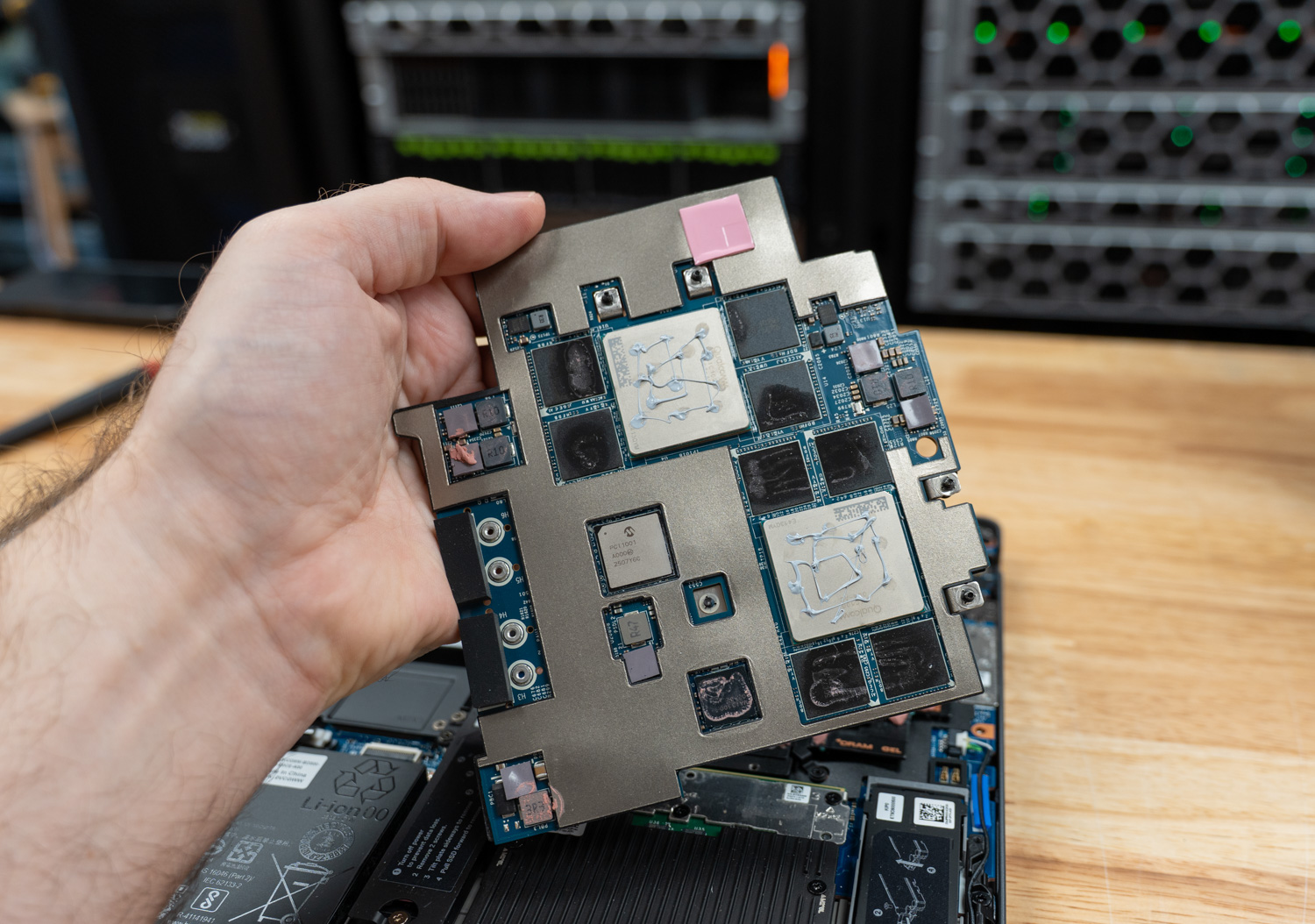
The Dell Pro Max 16 Plus arrives as a hybrid workstation, straddling the line between conventional productivity and cutting-edge AI experimentation. Its centerpiece is the Qualcomm AIC100 accelerator, designed to handle both general workloads and emerging AI tasks. This duality positions it as a bridge for creators who demand precision in their tools but also want to explore new computational frontiers.
At its core, the Pro Max 16 Plus is built around an x86-64 architecture, ensuring compatibility with existing software ecosystems while introducing an AI-focused coprocessor. The AIC100, clocked at 2.5 GHz, adds a layer of acceleration for tasks like matrix operations and neural network inference—features that could redefine workflows for developers, data scientists, and designers.
Key specifications include
- Processor: Qualcomm AIC100 (2.5 GHz)
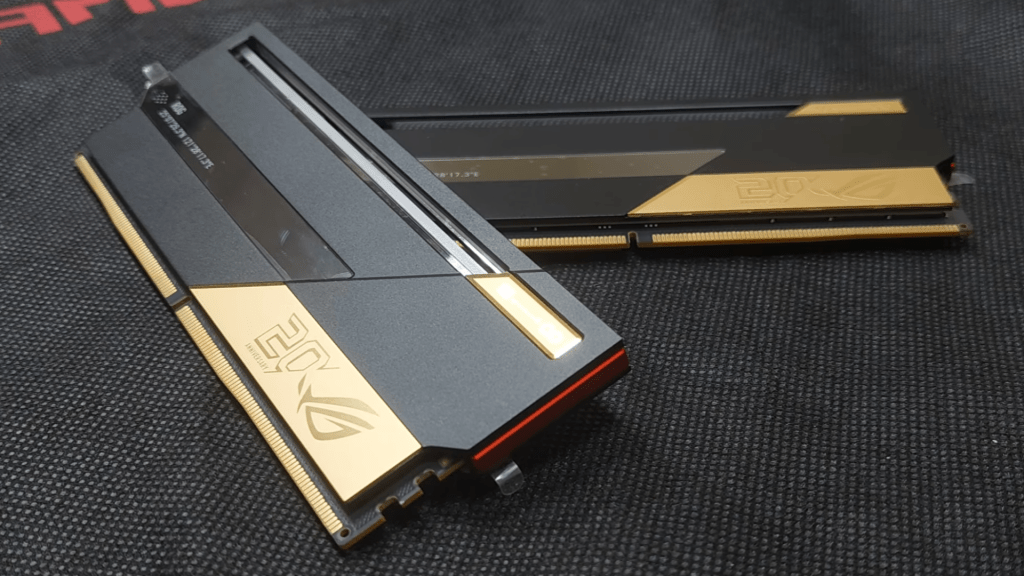
- RAM: 64GB DDR5
- Storage: 2TB NVMe SSD
- Display: 16-inch 3840x2400 OLED (175Hz refresh rate)
The device’s 16-inch OLED display, paired with a 175Hz refresh rate, ensures smooth rendering for graphics-heavy applications. However, the true innovation lies in how the AIC100 integrates with traditional workloads. While it excels at AI-accelerated tasks, its broader implications—such as whether it can replace dedicated GPUs or if it will become a standard feature—remain uncertain.
For creators, this workstation offers a unique balance: the stability of a conventional machine paired with the potential to experiment with AI-driven tools. Yet, the lack of clarity around software optimization and long-term support could hinder its adoption among those who rely on proven performance without compromise. The Pro Max 16 Plus is a step toward a more flexible future, but it also raises questions about whether this flexibility will come at the cost of stability or if it will unlock entirely new creative possibilities.