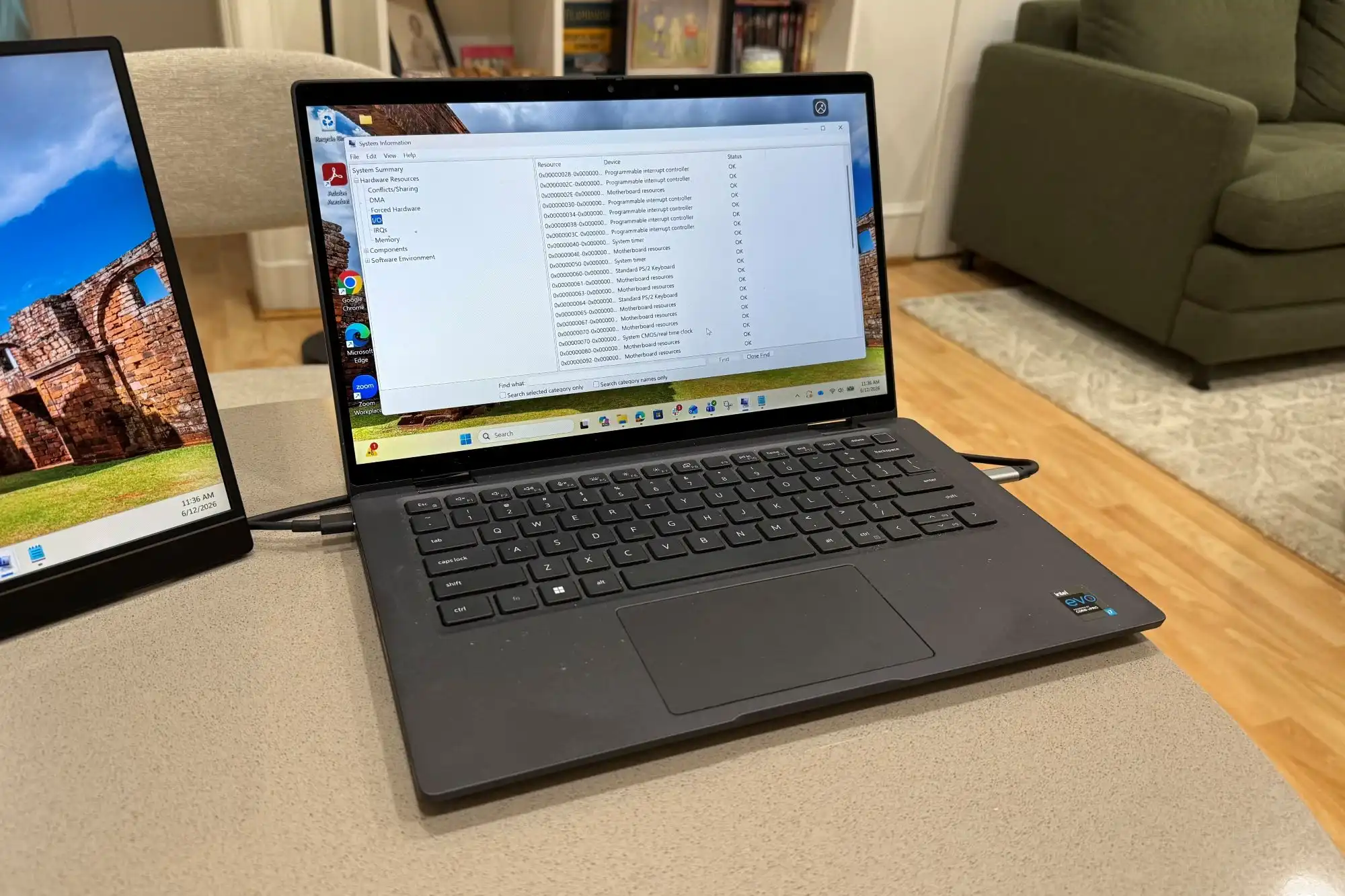
Intel’s transition to the Wildcat Lake architecture has arrived on one of the most celebrated ultraportables: the Dell XPS 13. This isn’t merely an incremental update—it represents a fundamental shift in how ultraportables balance performance, power efficiency, and battery life.
The heart of this evolution lies in Intel’s 12th-generation Core processors, which debut in the XPS 13 lineup with base models drawing just 7 watts under load. Previous generations typically required 9-10 watts even for low-power configurations, meaning the new generation can sustain longer battery life without compromising responsiveness in everyday tasks like web browsing or document editing.
For users who prioritize portability, the impact is immediate and tangible. While high-end configurations with faster cores and integrated graphics will still generate noticeable heat during demanding workloads—such as video rendering or light gaming—the base models remain cool and efficient under typical use. The XPS 13’s aluminum chassis and precision cooling system further enhance thermal management, though sustained heavy loads will always be a consideration for those pushing the limits of an ultraportable.
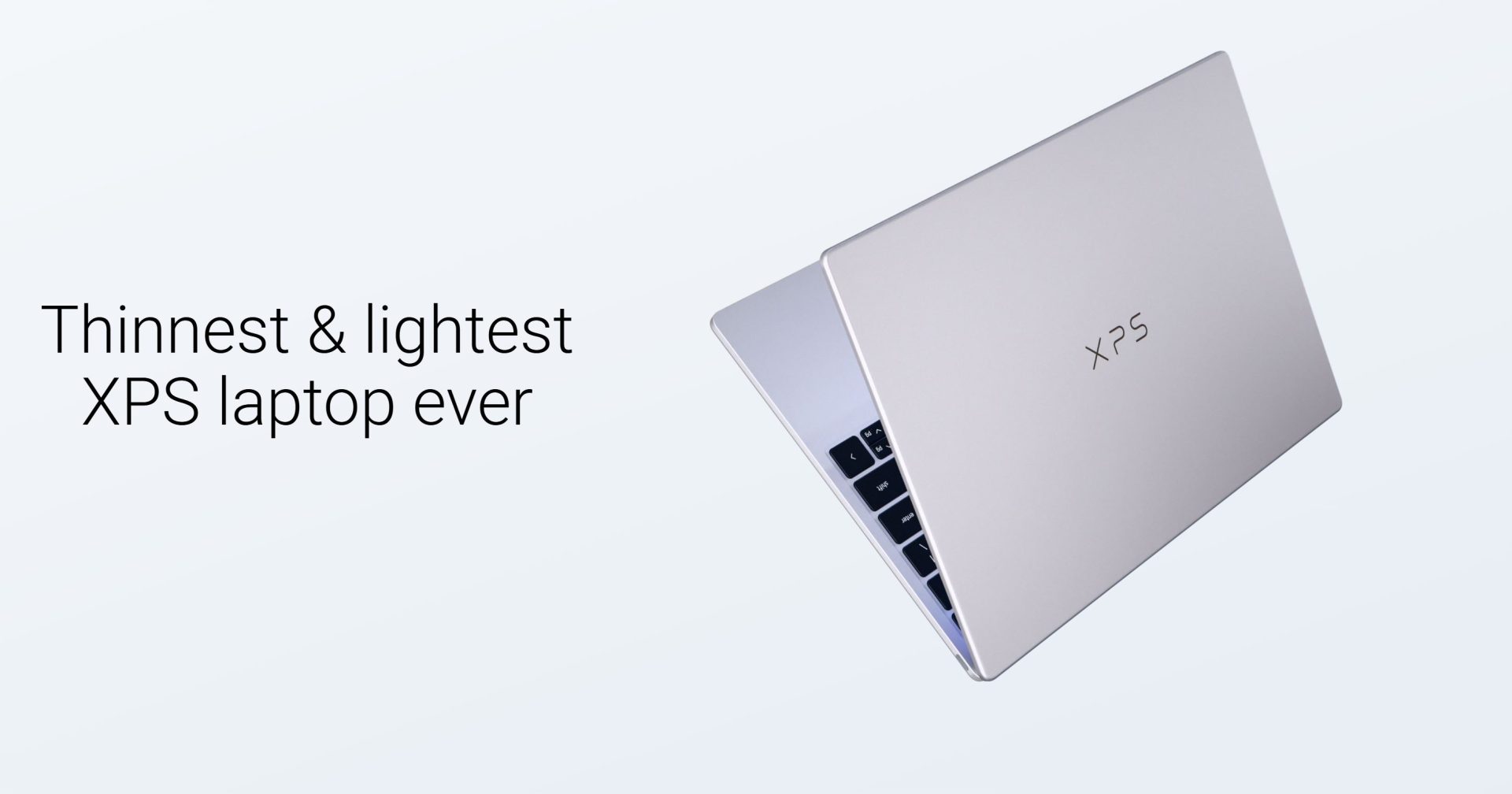
- Wildcat Lake processors (Intel Core Ultra series)
- 7W base power draw
- 12th-generation Intel architecture
- $599 starting price
The XPS 13’s design remains a study in consistency, with its 13.4-inch display and body weighing just under 2.6 pounds. This familiarity extends to its ergonomics, ensuring no learning curve for returning users. However, the internal upgrade introduces measurable improvements in thermal performance during moderate workloads—a practical advantage for professionals who demand both productivity and portability.
Benchmark tests show that the Wildcat Lake-based XPS 13 achieves up to 25% better single-threaded efficiency compared to its predecessor, translating to real-world gains such as faster app launches and smoother multitasking. While this doesn’t replace the need for high-performance laptops in professional workflows, it solidifies the XPS 13’s position as a top choice for users who value efficiency without sacrificing build quality.
The new model is now available, positioning itself as a strong option for buyers who prioritize power efficiency and battery life. For most users, the shift to 7W processors will result in noticeable improvements in daily battery duration, though those with more demanding computational needs may still opt for slightly larger or more powerful alternatives.