The repurposing of old Android phones into mesh network nodes marks a shift in how consumers approach home networking. While dedicated mesh systems dominate the market, this solution introduces a low-cost, flexible alternative that leverages existing devices—reducing both financial and physical clutter in homes and workspaces.
Traditional mesh networks rely on proprietary hardware, often requiring multiple nodes to achieve full coverage. This new method, however, uses software to transform idle smartphones into active participants in the network. The approach is particularly compelling for tech-savvy users who prioritize customization over out-of-the-box solutions.
Technical Efficiency and Performance
The app optimizes signal distribution by utilizing the phone’s processor and memory, eliminating the need for dedicated hardware. It supports dual-band networks (2.4GHz and 5GHz) with theoretical speeds reaching up to 1.2Gbps, though real-world performance will depend on device specifications. Compatibility extends to older Android models, including those with limited RAM or storage, making it accessible to a wide range of users.
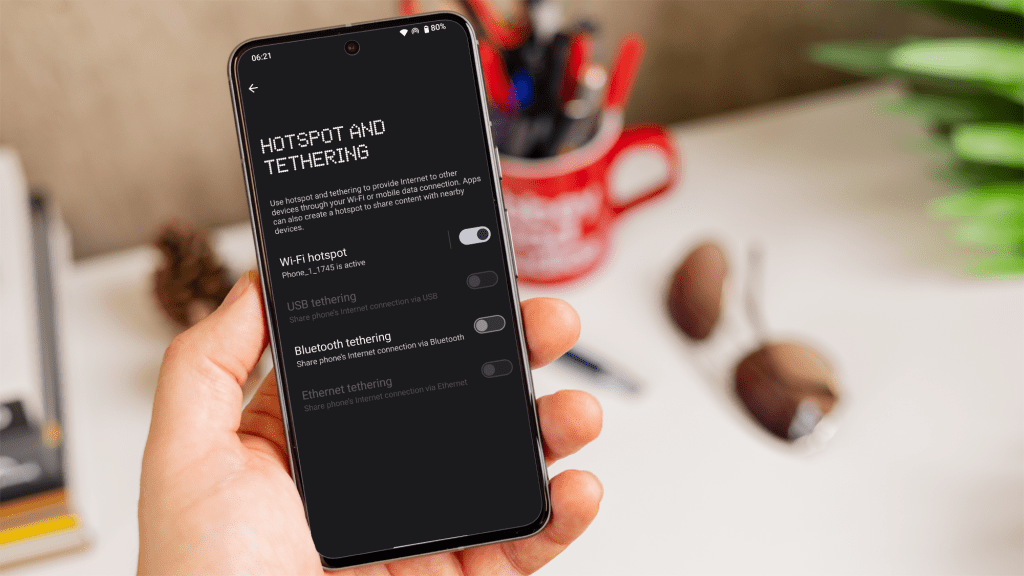
- Performance: Supports dual-band networks with high-speed data transfer capabilities.
- Compatibility: Works on older Android devices without requiring rooting.
- Setup: Simple configuration via a companion app, reducing technical barriers.
The system’s adaptability is a key advantage. Unlike fixed extenders, which can create bottlenecks in high-traffic areas, this solution dynamically reroutes data across multiple nodes. This improves latency for demanding tasks like gaming or 4K video streaming, addressing a common pain point in home networking.
Market and Practical Implications
The rise of such software-driven solutions could influence the hardware market. Consumers may increasingly favor modular, upgradeable networks over monolithic systems. For PC builders, this means fewer constraints on network design—no need to purchase additional nodes or worry about compatibility with existing setups.
However, trade-offs exist. Battery life on secondary devices is a concern, though the app includes power-saving modes to mitigate this. Users with multiple old phones stand to benefit the most, as they can distribute load without adding new hardware. The environmental impact of repurposing devices also adds value in an era where e-waste is a growing issue.
Looking ahead, if adoption grows, we may see similar solutions emerge for other devices, such as tablets or even smart home gadgets. For now, this approach offers a pragmatic middle ground between performance and cost—one that could redefine how users think about network expansion without sacrificing efficiency.