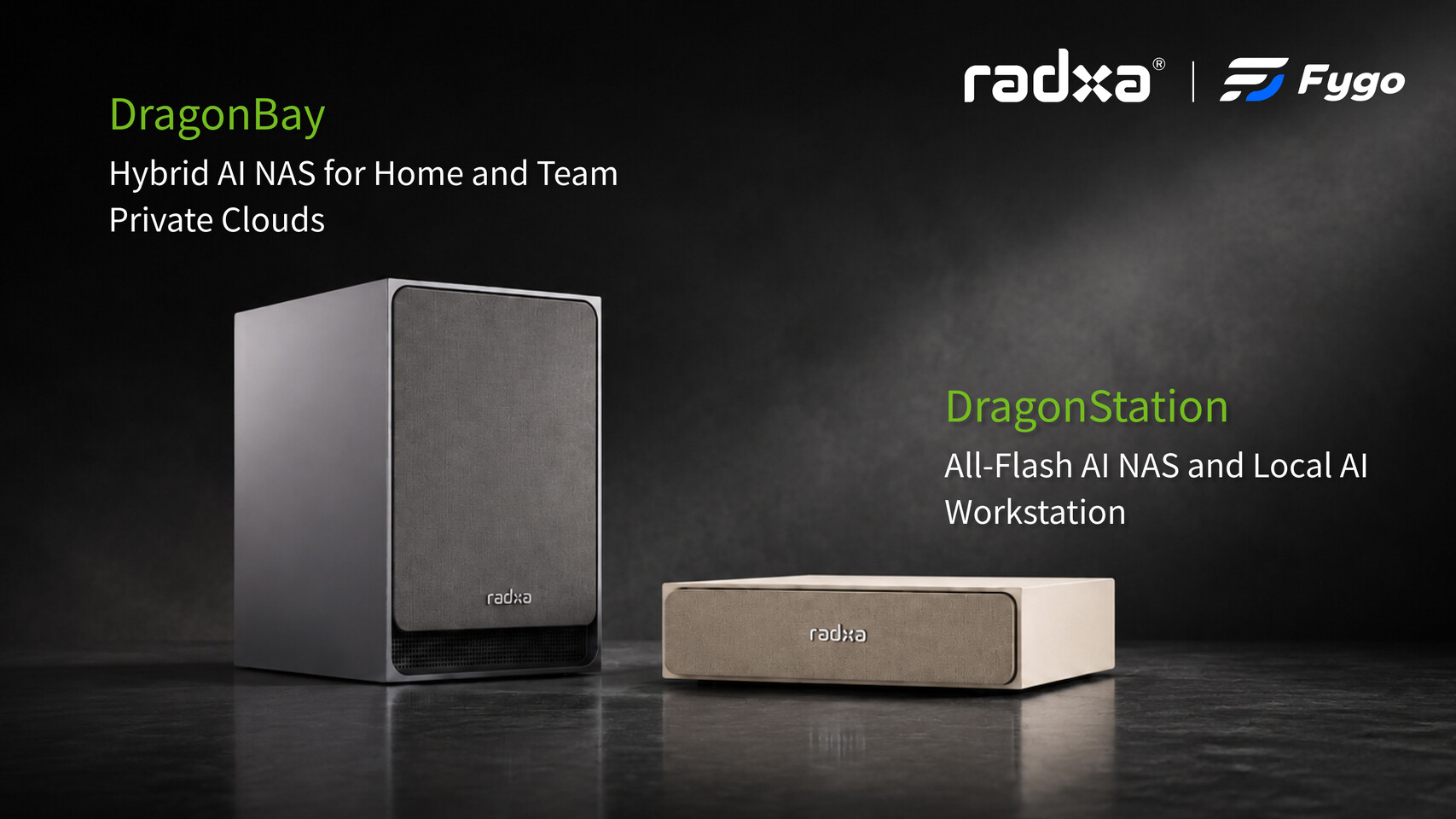
Local AI infrastructure is undergoing a transformation with the introduction of two new NAS systems: DragonStation and DragonBay. Both are built around Qualcomm's Snapdragon platform, which combines advanced computing power with efficient AI processing capabilities. Unlike traditional NAS solutions that often rely on cloud services for AI tasks, these systems prioritize local processing, promising reduced latency and enhanced privacy.
The Power of Snapdragon
At the core of both systems lies Qualcomm's Snapdragon platform, designed to handle both storage and AI processing efficiently. DragonStation, the high-performance model, features six NVMe SSD slots capable of delivering up to 48 TB of all-flash storage. This configuration is ideal for users who require fast data access and high-speed AI inference, such as developers working with large datasets or creators handling media-heavy projects.
- DragonStation includes dual 10GbE networking ports, ensuring robust and high-speed data transfer between devices.
- The system supports optional AI accelerator expansion, pushing performance to up to 320 TOPS (trillion operations per second).
- It can locally deploy AI models with up to 120 billion parameters, making it a powerhouse for complex AI workloads.
DragonBay, on the other hand, is tailored for users who prioritize storage capacity without compromising on AI capabilities. It combines four HDD drive bays with NVMe SSD acceleration, delivering up to 140 TB of storage. This makes it suitable for families or small teams managing large media libraries or backups while still benefiting from local AI processing.
- DragonBay features dual 2.5GbE networking ports for reliable connectivity.
- It also runs on the Snapdragon platform, ensuring efficient handling of AI tasks without relying on cloud services.
A Unified Approach to Local AI
Both systems share a common design philosophy: they serve as local AI data hubs where storage, models, and inference coexist on a single device. This setup eliminates the need for cloud dependency while enhancing privacy for sensitive workloads. The integration of Qualcomm's Tensor processor further enhances their ability to handle AI tasks with low latency.
Fygo OS: Enhancing Local Workflows
The systems come pre-installed with Fygo OS, a user-friendly operating system designed to simplify setup and management. The dashboard allows users to configure storage pools, RAID setups, applications, and services from a single interface.
- Fygo OS includes AI-powered photo management features, such as natural-language search, face recognition, and location-based categorization—all processed locally on the device.
- It offers Fygo TV for premium media streaming, automatically organizing content into curated libraries.
- FygoSync enables cross-device file access and synchronization across multiple platforms, including iOS, Android, Windows, macOS, and Smart TVs.
The operating system also supports advanced capabilities like Docker, virtual machines, multi-user management, and a robust application ecosystem. This ensures that users can manage their data efficiently while leveraging local AI processing for tasks that would typically require cloud services.
Who Will Benefit?
The combination of high-speed storage, Snapdragon computing power, and Fygo OS positions DragonStation and DragonBay as versatile tools for a wide range of users. Developers and AI enthusiasts will appreciate the ability to deploy complex models locally with minimal latency. Creators working with media-heavy projects—such as video editors or photographers—will benefit from DragonStation's all-flash performance, which ensures fast data access and smooth workflows.
Families and small teams managing large media libraries or backups will find DragonBay's capacity and AI-enhanced organization features particularly useful. Whether it's organizing family photos or managing AI-generated content, the system provides full control over data without sacrificing performance.
As AI workloads continue to shift toward local infrastructure, these systems offer a compelling alternative to cloud-dependent solutions. With support for high-performance accelerators and on-device processing, they provide a foundation for building private AI ecosystems that prioritize speed, privacy, and control.