When a critical project folder vanishes from your drive—or an OS update wipes out irreplaceable files—the clock starts ticking. For most users, the panic fades quickly if they’ve backed up their data, but for those without recent backups, the window to recover lost files narrows fast. EaseUS Data Recovery Software promises to reverse that timer, offering a way to restore deleted or corrupted files in minutes rather than hours.
Now available at a discounted price of $59.97, the software targets users who can’t afford prolonged downtime but also need more than surface-level recovery tools. The tradeoff is clear: speed comes with constraints. While it excels at quick scans and basic file retrieval, deeper corruption or complex data loss scenarios may require patience—or a different approach entirely.
What It Recovers—and What It Doesn’t
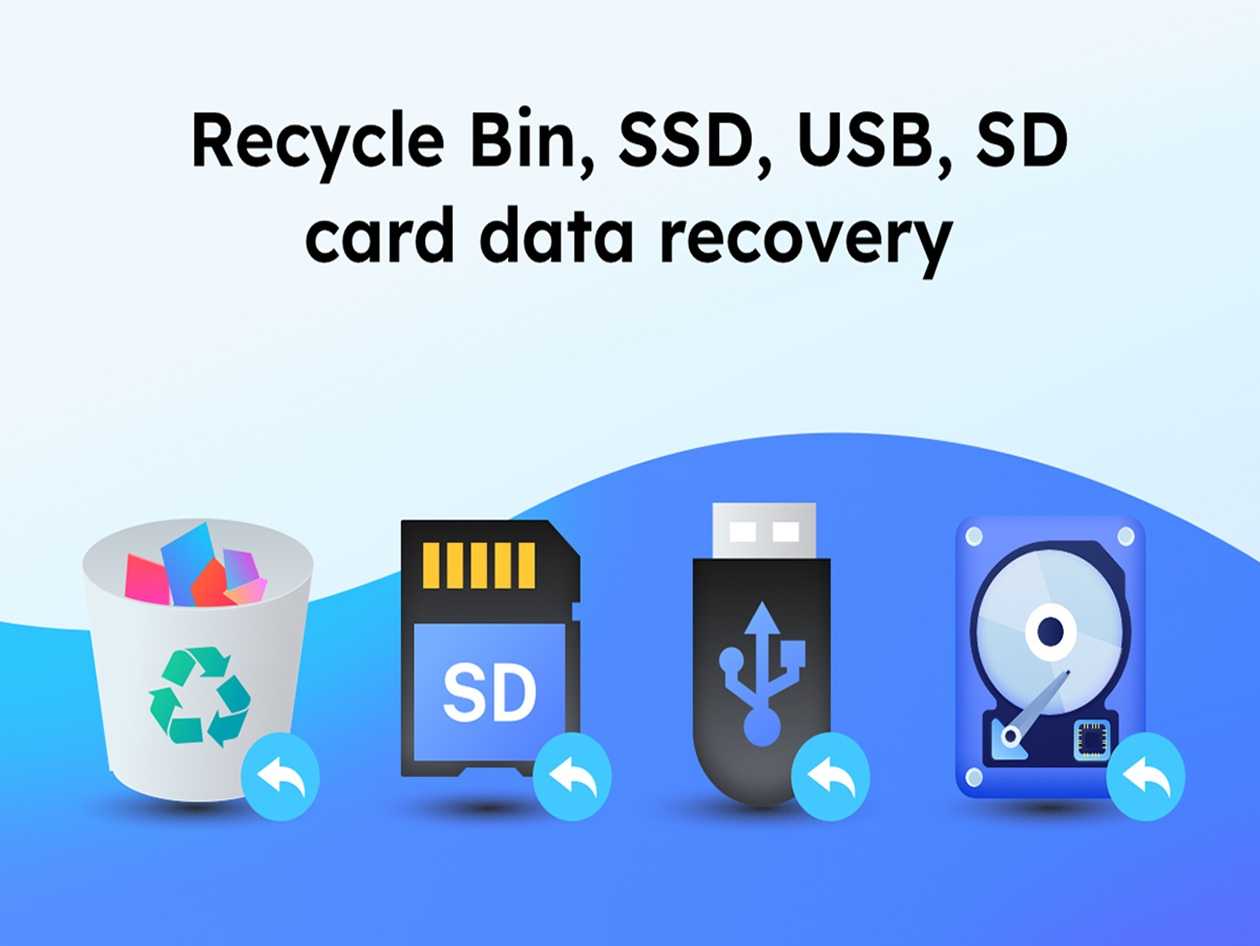
The software supports a broad range of file types—documents, photos, videos, even system files—but its effectiveness depends on the scenario. In cases where files are accidentally deleted or overwritten within the same session, EaseUS performs reliably, scanning drives in minutes and restoring data with minimal fuss. However, if a drive has been reformatted or heavily used after data loss, recovery becomes hit-or-miss.
Power users will notice its compatibility is tightly coupled to familiar operating systems: Windows 10/11, macOS (via separate versions), and even Android. This means it’s not a universal fix for all storage devices—external SSDs or raw partitions may require additional steps or tools. The software also doesn’t recover encrypted files or those locked by third-party applications, a common pitfall in professional workflows.
Speed vs. Depth: A Deliberate Choice
The $59.97 price point reflects EaseUS’s focus on accessibility over advanced features. While competitors like Recuva or Disk Drill offer deeper scans for a premium, EaseUS prioritizes ease of use and rapid results. Its interface is stripped down: no overwhelming dashboards, just a few buttons to initiate a scan, preview files, and restore them. This simplicity is both its strength and weakness—it’s ideal for users who need quick wins but may fall short in edge cases.
For power users, the decision hinges on two factors: how critical the lost data is and whether time is more valuable than exhaustive recovery attempts. If files are irreplaceable and the drive hasn’t been overwritten, EaseUS delivers. But if corruption runs deep or the user operates in a mixed OS environment (e.g., dual-boot setups), they may need to layer this tool with others for comprehensive results.
Who It’s For—and Who Should Look Elsewhere
- Casual users or professionals who lose files due to accidental deletion or minor corruption.
- Those on a budget who can’t justify higher-priced enterprise-grade tools but need faster-than-average recovery.
- Users with straightforward storage setups (single OS, no complex partitioning).
The software is less suited for advanced users dealing with
- Heavily fragmented or encrypted drives.
- Multi-partition environments where data spans multiple volumes.
- Corruption tied to firmware issues in SSDs or RAID arrays.
In these cases, open-source alternatives like TestDisk or commercial powerhouses like Stellar Phoenix may offer better outcomes—if they’re worth the extra cost and complexity.
The Future of Fast Recovery
EaseUS’s approach reflects a growing trend: tools that prioritize speed over exhaustive analysis. As storage capacities expand and file systems grow more complex, the gap between ‘quick-and-dirty’ recovery and deep forensic work widens. For now, EaseUS fills a niche for users who need answers yesterday rather than tomorrow—but it’s not a replacement for robust backup strategies or enterprise-grade solutions.
The single most important change here isn’t the software itself; it’s the shift in expectations. Users increasingly demand tools that match their urgency, even if those tools come with tradeoffs. Whether EaseUS can narrow that gap without sacrificing reliability remains an open question—but for now, its discounted offer is a test worth taking.