Datacenters are on the cusp of a transformation driven by memory technology. The latest generation of LPDDR6 modules, capable of storing up to 512 GB per module, is poised to redefine the boundaries of what AI systems can achieve. This isn’t just about raw capacity—it’s about how that capacity can be harnessed to accelerate training and inference tasks without compromising efficiency.
Previously, memory densities of this magnitude were largely confined to specialized HBM designs, which offered high bandwidth but at a cost in terms of complexity and integration. The new LPDDR6 modules bridge that gap by delivering similar performance in a more flexible form factor. This shift could make advanced memory more accessible to a broader range of AI applications, from training massive neural networks to running multiple agents simultaneously.
One of the most notable advancements is the reduction in power consumption. Per-bit energy use has dropped by nearly 40% compared to earlier versions, a critical development as datacenters increasingly focus on sustainability without sacrificing performance. This efficiency gain means that systems can process larger datasets with fewer thermal and power constraints, which is particularly important for AI workloads that often require significant computational resources.
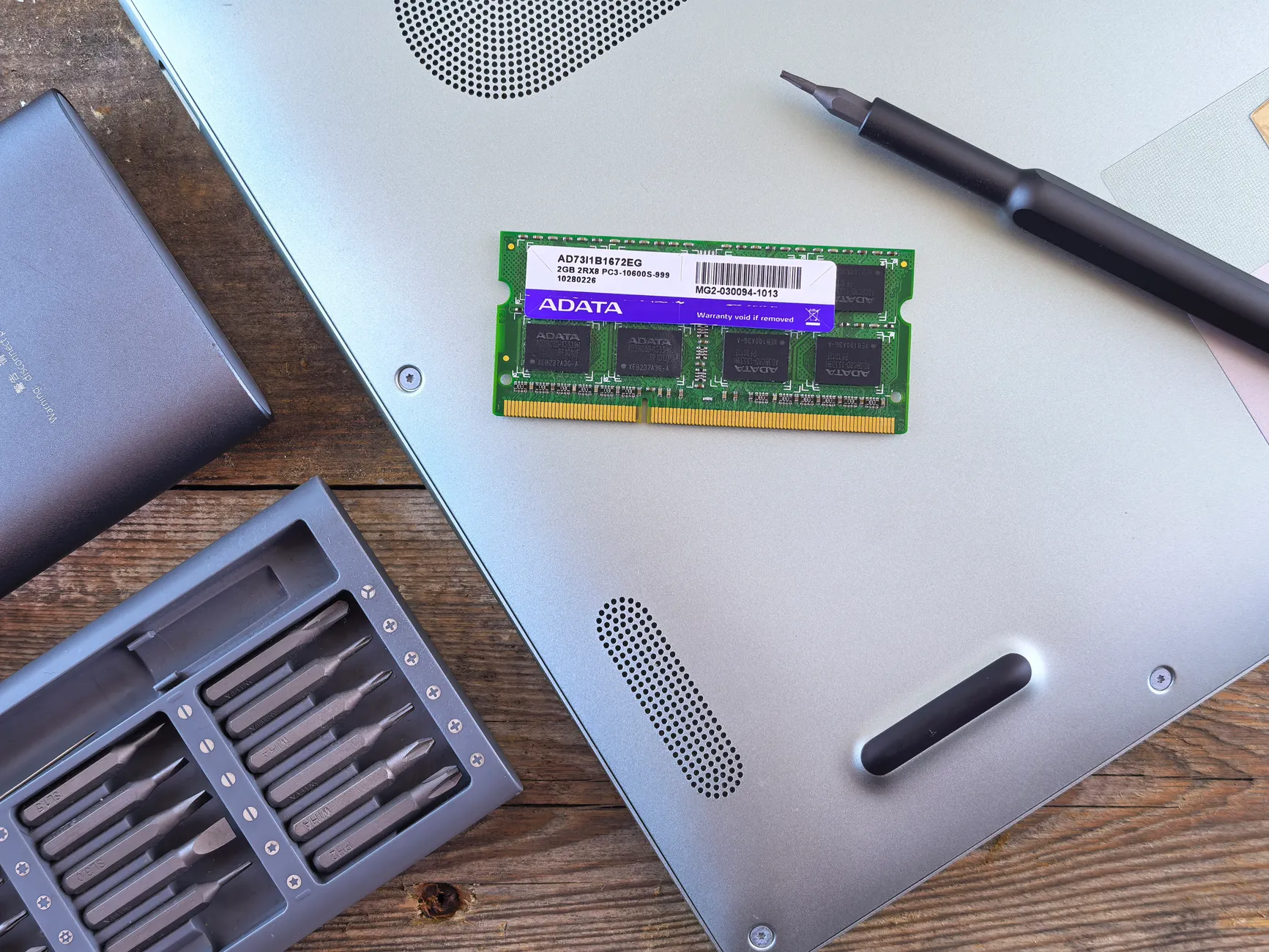
The practical implications of this memory density are already becoming clear. Developers are exploring ways to leverage the 512 GB capacity to minimize data swapping between RAM and storage tiers, a common bottleneck in AI systems. By keeping larger datasets in memory, models can train faster and more efficiently, reducing latency and improving overall throughput.
While the technology holds immense promise, its adoption won’t be instantaneous. Samples are expected to reach key partners by late 2024, but mass production timelines remain uncertain. Pricing will also play a significant role in determining how quickly this memory becomes mainstream. Higher capacities typically come with premium costs, but as production scales up, the cost per GB is likely to decrease, making it more viable for widespread use.
For now, the focus is on proving that this memory can deliver the raw performance AI demands without becoming a bottleneck itself. If successful, the 512 GB LPDDR6 module could set a new standard for datacenter memory, shaping the future of AI infrastructure in ways that are only beginning to be understood.