NVIDIA’s RTX 50-series GPUs have always pushed the boundaries of power consumption, but the latest modding breakthrough takes it to an extreme. By extracting the vBIOS from ASUS’s ROG Matrix Platinum RTX 5090—a card with an 800W power limit—and applying it to the standard Astral variant, a modder has unlocked unprecedented headroom. The catch? It requires physical PCB surgery and won’t work on all Astral models.
The ROG Matrix Platinum’s vBIOS, designed to handle up to 800W, has been a coveted target for enthusiasts seeking to bypass NVIDIA’s software-based power clamping. However, flashing it onto the ASUS ROG Astral RTX 5090 isn’t as simple as a BIOS update. The black version of the Astral—unlike its white counterpart—features a rear-mounted fan wired to the front middle fan header, necessitating a hardware tweak: swapping a pull-down resistor on the EEPROM’s serial-in line with a pull-up resistor. This small but critical change allows the modified vBIOS to take effect.
Yet even with the mod in place, the stock cooling system of the Astral won’t suffice. The stock card is rated for 600W, while the Matrix vBIOS pushes it to 800W. Without an aftermarket cooler capable of handling the increased heat, sustained overclocking could lead to throttling or even hardware damage.
The Mod’s Real-World Impact
For power users and modders, this breakthrough could redefine what’s possible with the RTX 5090. The 200W increase isn’t just about raw numbers—it translates to more aggressive overclocking, higher sustained clocks, and potentially better performance in demanding workloads like AI training or professional rendering. However, the process isn’t for the faint of heart: it demands soldering experience, access to specialized components, and a willingness to void warranties.
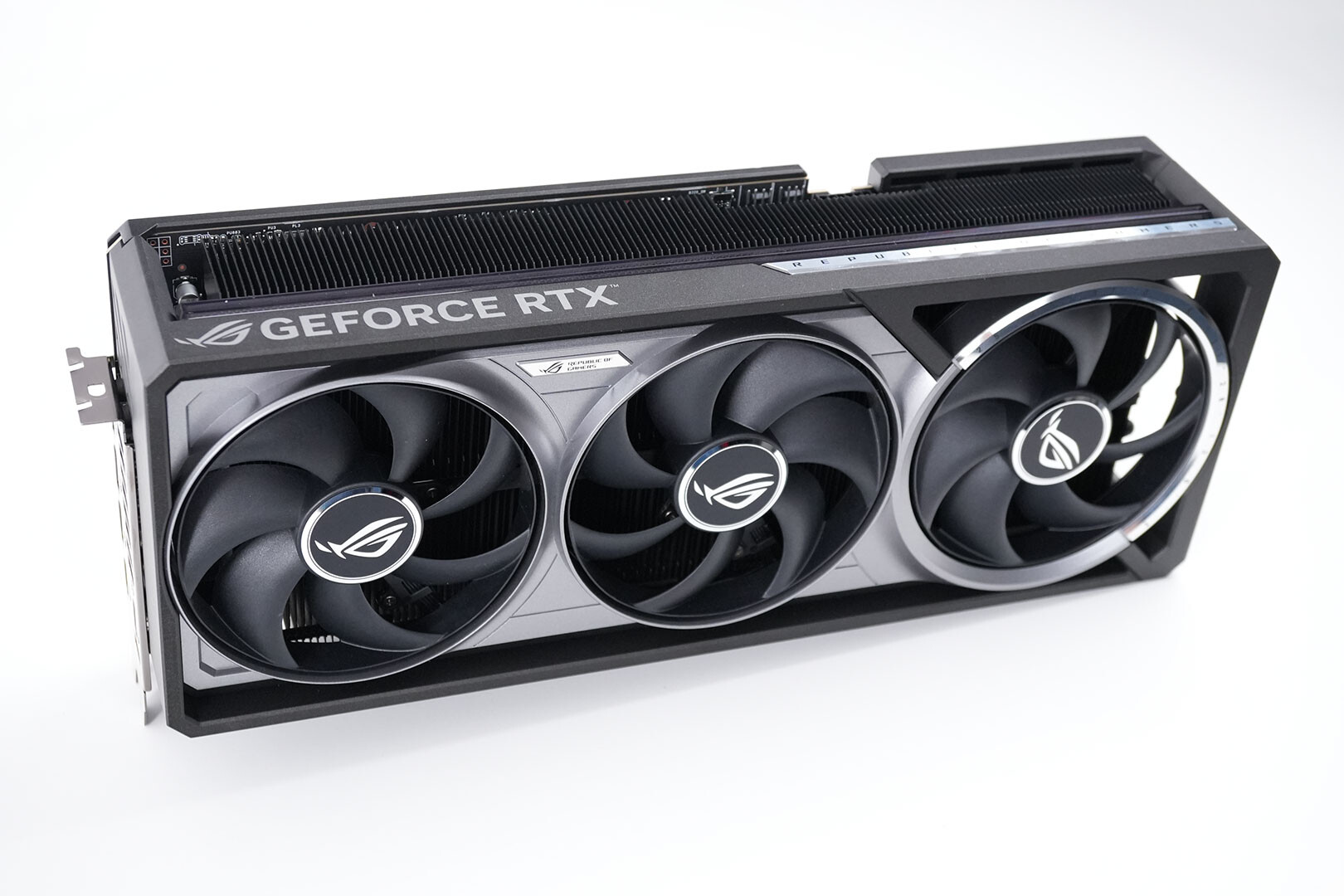
Notably, the white version of the Astral appears unaffected by this mod, as its fan wiring differs. ASUS’s decision to split the Astral line into two distinct PCB layouts—one requiring hardware modification and the other not—adds another layer of complexity for those seeking to push their GPUs beyond stock limits.
Key Specs: The Modified RTX 5090 vs. Stock
- Stock ASUS ROG Astral RTX 5090: 600W power limit, stock cooling
- Modified with Matrix vBIOS: 800W power limit, requires aftermarket cooling
- Hardware Requirement: Pull-up resistor swap on EEPROM (black model only)
- Potential Risks: Thermal throttling without proper cooling, voided warranty
- Use Case: Extreme overclocking, AI workloads, professional rendering
The mod underscores a broader trend: as NVIDIA tightens software controls, hardware-based workarounds are becoming more common. But for most users, the stock RTX 5090 remains the safer—and far more practical—choice. Those willing to take the plunge, however, now have a path to unlocking near-Matrix-level performance on a more affordable card.
With rumors of $5,000 RTX 5090 models looming for 2026, the gap between stock and modded performance may soon become even more pronounced. For now, the mod remains a niche experiment—one that highlights both the ingenuity and the risks of pushing hardware beyond its intended limits.