The Final Fantasy VII Remake Part 3 is not just closing the book on one of gaming’s most anticipated trilogies—it’s expanding its scope in ways that could reshape the franchise’s legacy. Highwind’s vision for this installment goes beyond narrative conclusion, aiming to integrate mechanics that redefine player interaction with the game’s world.
While previous parts established a refined approach to remake design, Part 3 will push boundaries by incorporating elements that blur the lines between linear and open-world experiences. This shift isn’t just about adding more content; it’s about creating a dynamic system where exploration feels organic yet structured, giving players agency without sacrificing the narrative cohesion that defines Final Fantasy.
The technical challenges are significant. Unlike earlier parts, which relied on established gameplay frameworks, Part 3 will demand a rethinking of how environments, combat, and storytelling intersect. This requires not only advanced hardware optimization but also a careful balance between performance and creativity—ensuring that the game’s ambition doesn’t come at the cost of accessibility.
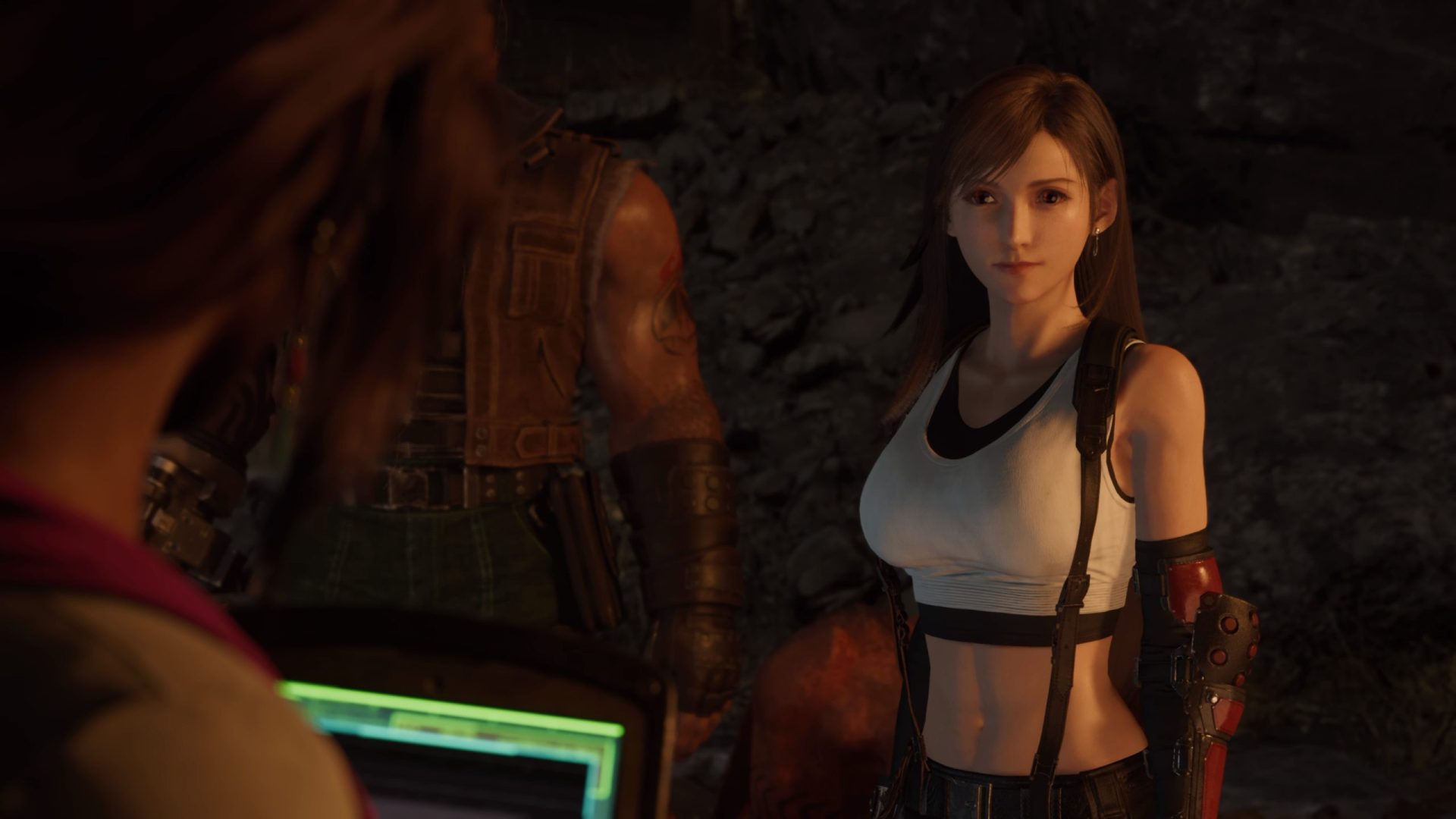
- Players will encounter expanded world mechanics that encourage non-linear progression, with systems designed to reward curiosity without overwhelming newcomers.
- The narrative will continue its blend of classic Final Fantasy themes and modern storytelling, but with a focus on depth rather than mere spectacle.
- Technical constraints will shape the experience, potentially limiting certain features while prioritizing fluidity and immersion.
For fans, this means a continuation of the high-quality standards set by Parts 1 and 2, but with a greater emphasis on innovation. Whether Highwind can execute this vision without alienating players remains an open question, but if successful, Part 3 could cement the remake series as more than just a reimagining—it could evolve into a new blueprint for how RPGs handle scale and complexity.
The stakes are high, not only for Highwind but for the entire franchise. A misstep here could dilute the impact of what’s already been achieved, while a triumphant execution would raise expectations for future Final Fantasy projects, proving that ambition and execution can coexist in modern game design.