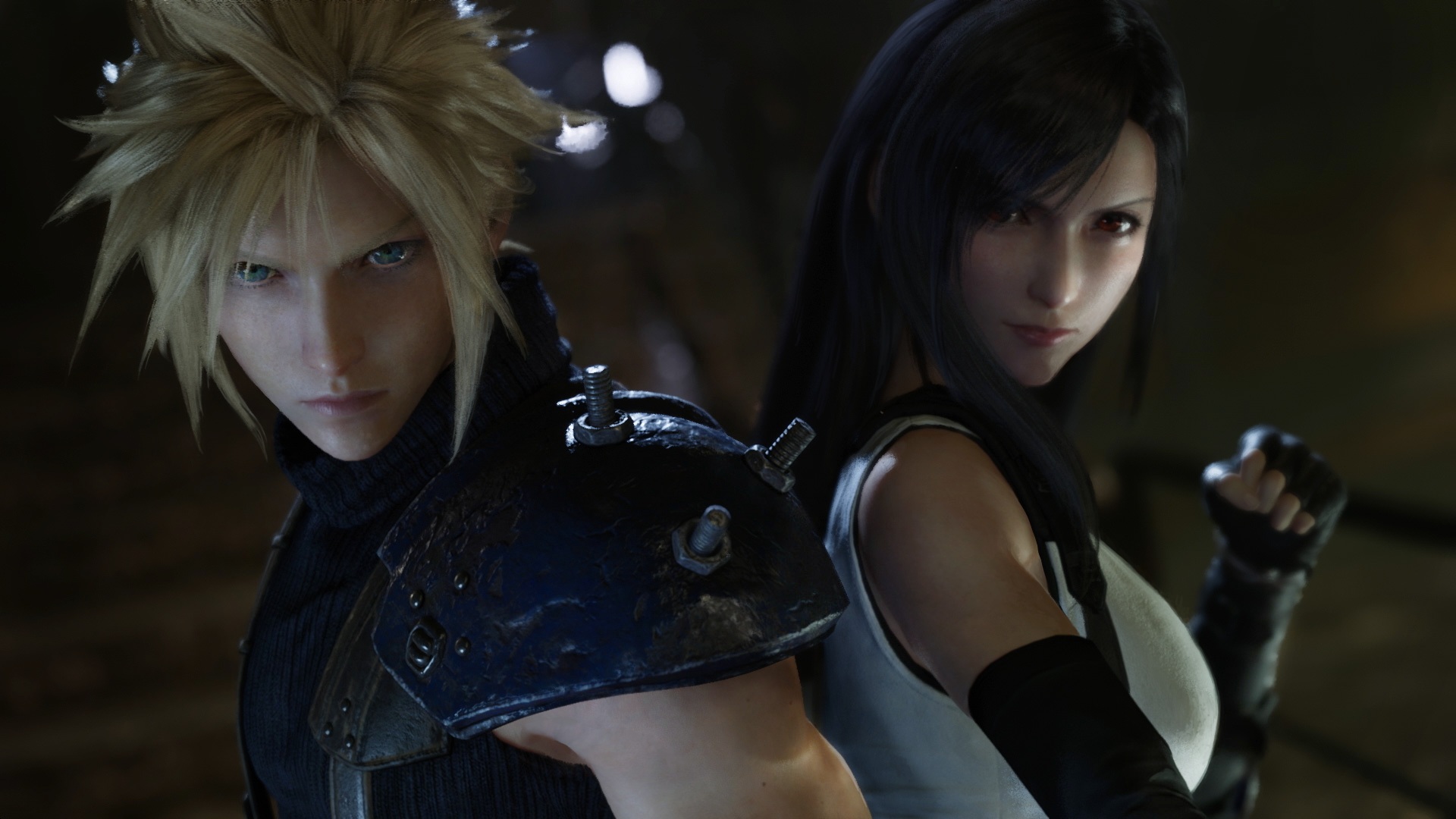
The Final Fantasy VII Remake Part 3 is shaping up to be more than just a technical upgrade—it’s a deeply personal reimagining of the original’s most resonant moments. Naoki Hamaguchi, the director overseeing the trilogy, has confirmed that the team successfully recaptured a pivotal emotional scene, one that revolves around Cloud’s struggle to reclaim his identity with Tifa’s support. While details remain scarce, the director’s enthusiasm suggests this sequence will be a defining highlight of the trilogy’s conclusion.
During a recent gathering in New York, Hamaguchi spoke candidly about the creative process, emphasizing the care taken to preserve the scene’s emotional weight. Unlike the original, where Cloud’s journey toward self-acceptance unfolds gradually, the remake’s version will incorporate subtle but meaningful adjustments—such as Tifa’s altered role in the Lifestream and Cloud’s pre-existing awareness of his past. These tweaks hint at a narrative that respects the source material while evolving organically for modern players.
The Scene That Matters
The moment in question is one of the most emotionally charged in Final Fantasy VII: Cloud’s moment of reckoning, where he confronts the truth of his past and finds solace in Tifa’s unwavering belief in him. Hamaguchi’s statement—‘they nailed it’—carries significant weight, particularly given the high stakes of delivering a scene that has resonated with fans for decades. The remake’s approach, blending refined voice acting from Cody Christian and Britt Bratton with next-gen visuals, aims to amplify the scene’s impact without altering its core essence.
Why It’s a Big Deal
For longtime fans, this scene represents the emotional core of Cloud’s character arc—a journey from a broken soldier to someone capable of forgiveness and growth. The remake’s version will likely benefit from the technical advancements of Unreal Engine 4, which has already delivered stunning visuals in the first two entries. However, the director’s focus on emotional authenticity over mere spectacle underscores the project’s commitment to storytelling.
Beyond the scene itself, the broader implications for Part 3 are promising. The inclusion of fully explorable environments, such as the Highwind airship, signals a return to the open-ended design of the original, offering players greater agency in how they experience the narrative. While the use of Unreal Engine 4 may result in visuals that feel slightly dated compared to newer engines, the emphasis on depth and emotional resonance could set a new standard for JRPGs.
A Trilogy Worth Waiting For
The Final Fantasy VII Remake series has already redefined expectations for remakes, balancing nostalgia with innovation. Part 3 appears poised to deliver on that promise, particularly if the emotional climax lives up to the director’s expectations. With the title now officially confirmed, anticipation is building for a conclusion that honors the original while offering fresh perspectives on Cloud’s enduring journey.
For now, fans can look forward to a finale that prioritizes heart over hype—a rare and welcome approach in an era of increasingly spectacle-driven gaming.