A single engineering compromise—sacrificing peak brightness to push pixel update speed—has just redefined what a 24-inch FHD monitor can deliver. The new display is the world’s first to combine a 1920×1080 panel with an 800 Hz refresh rate and a 1 ms gray-to-gray response time, landing at 320 nits of brightness. For power users chasing frame-perfect precision, that trade-off could be worth it; for everyday office workers, the dimmer screen may not justify the premium.
Under the hood, the panel uses an IPS-like structure to maintain color fidelity while minimizing motion blur. The 800 Hz update rate is achieved by running the internal clock at 120 MHz—double the typical 60 MHz design—while keeping a standard 6 ms input lag. That means competitive shooters see every frame, but casual viewers will notice dimmer text and UI elements.
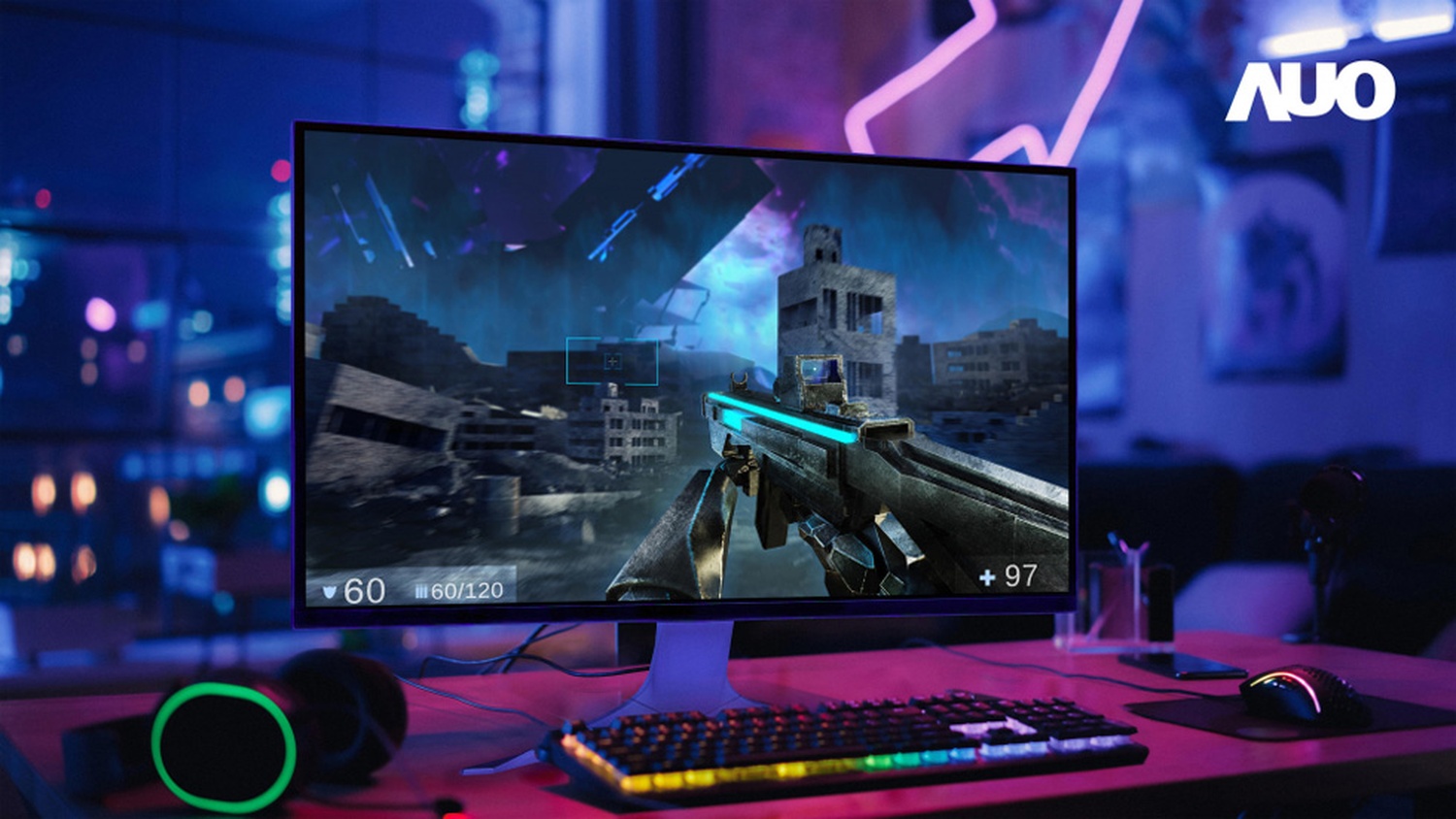
- 800 Hz refresh rate on a 24-inch FHD panel (1920×1080).
- 1 ms gray-to-gray response time, ideal for fast-paced games.
- 320 nits brightness—sufficient for competitive environments but not for HDR content.
The 800 Hz clock is locked to a single input source; dual-input setups will default to 144 Hz. The monitor itself weighs 5.7 kg and measures 523×396×82 mm, fitting standard desk spaces but requiring a high-wattage power supply (200 W). Pricing is expected near $1,200, targeting esports teams and pro gamers rather than mainstream consumers.
For the average user, the dimmer screen and single-800-Hz-source limitation make this a niche product. But for competitive scenes where split-second reaction matters more than ambient light, it sets a new floor for what a 24-inch monitor can achieve without sacrificing responsiveness.
The next wave of 144 Hz monitors will likely adopt similar clock-doubling techniques, but only if brightness can be pushed closer to 500 nits. Watch for 800 Hz panels to appear in 27-inch models by mid-2026 if panel yields improve.