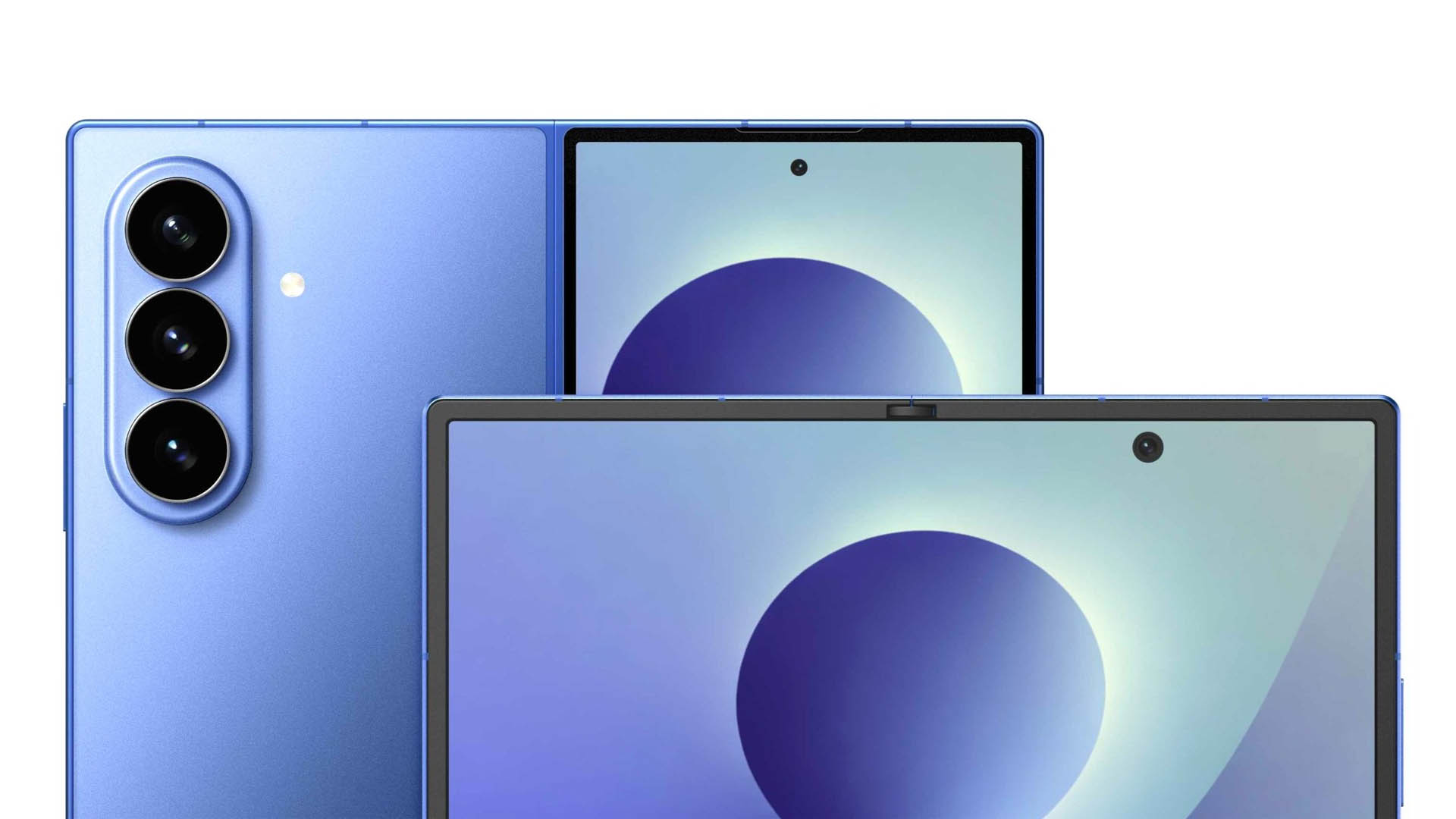
Foldable phones have always been more about innovation than endurance. But a new approach to storage could change that by making them more durable without sacrificing speed or capacity.
The key lies in how data is handled when the device folds repeatedly. Traditional NAND flash struggles under mechanical stress, but this model uses a specialized architecture to reduce wear on critical components. Benchmarks suggest read/write speeds stay consistent even after thousands of fold cycles—a major improvement over current designs.
Why Storage Matters More Than Ever
- Storage: 256GB (base), up to 1TB
- RAM: 8GB LPDDR5X
- Display: 7.6-inch AMOLED, 120Hz refresh rate
- Processor: Snapdragon 8 Gen 3 (estimated)
- Battery: 4,500mAh, wireless charging support
The combination of high capacity and resilience makes this model stand out. The 1TB variant, in particular, is built for power users who need both space and durability. But the price—starting at $1,599—places it firmly in premium territory.
A Durability First?
For everyday users, the focus on longevity could set a new standard. If this model proves reliable, competitors will likely follow, pushing the industry toward more robust storage solutions. However, no foldable has yet matched the durability of traditional smartphones in real-world testing.
The challenge remains: Can Samsung deliver on its promise without compromising performance? The answer may determine whether foldables become mainstream or remain niche devices.