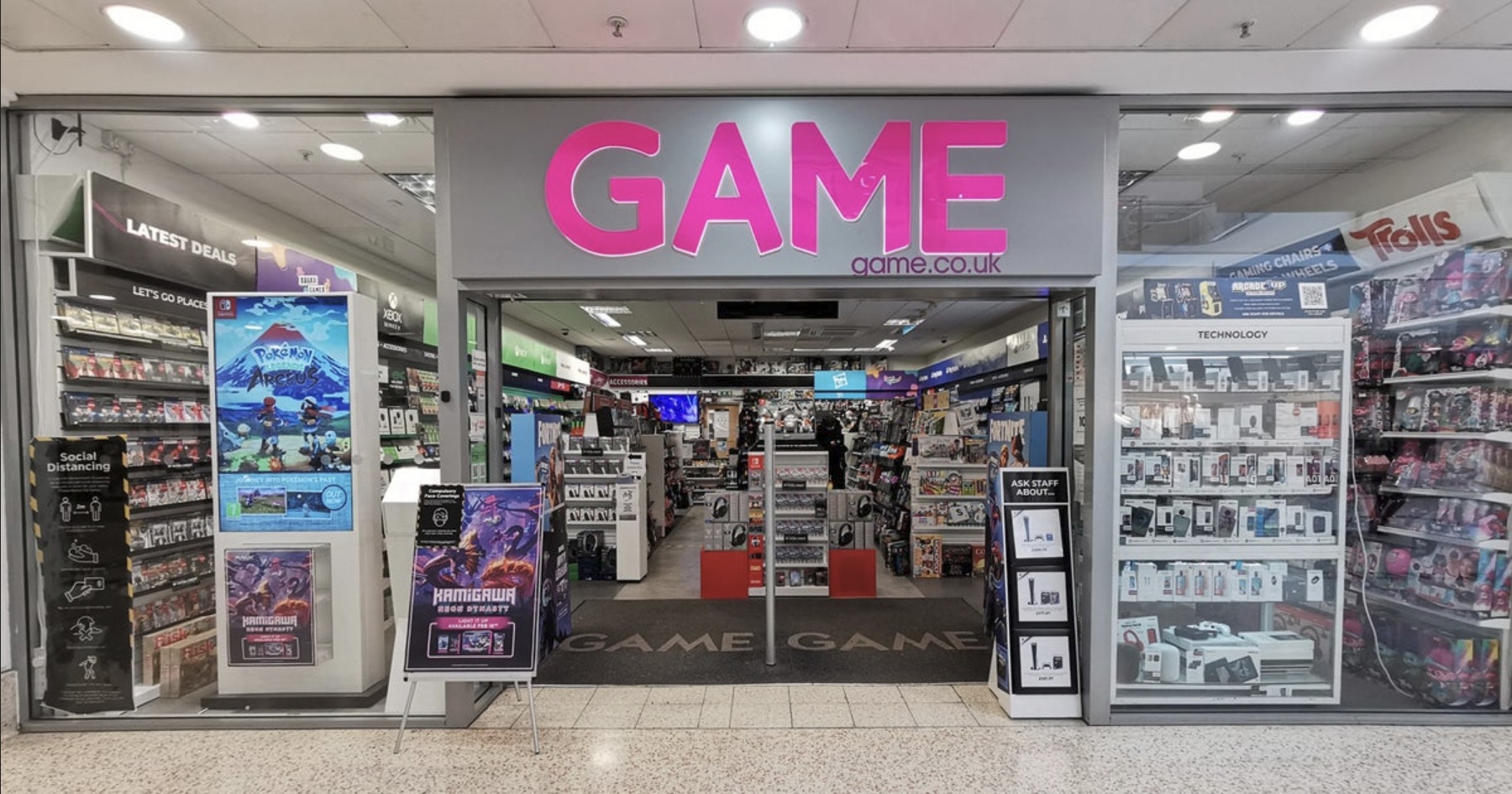
The UK’s last major standalone gaming retailer, GAME, has announced the closure of its final three physical stores, effectively ending its decades-long run as a dedicated hub for physical game purchases. The move comes as the company, now under administration, shifts focus away from standalone locations—leaving only concessions within larger retail spaces and its online platform.
This isn’t just a local story; it’s a microcosm of a global trend. While the US has GameStop and Canada has EB Games, the UK’s gaming community has long relied on GAME as its go-to for physical copies. Now, even that option is vanishing.
The retailer’s decline has been years in the making. After being acquired by the Frasers Group in 2019, GAME systematically scaled back operations, eliminating trade-ins in January 2024 and pre-orders in July of the same year. A majority of its staff were laid off in April 2024, further accelerating its shift toward a leaner, digital-first model.
What This Means for Gamers
For collectors, gift buyers, and those who still prefer physical media, the loss of standalone stores is a blow. While GAME will continue operating concessions in larger retail spaces—such as those within Frasers Group locations—and its online store remains active, the absence of dedicated gaming stores removes a key physical destination for enthusiasts.
The retailer’s former managing director once insisted that GAME would remain committed to physical games, positioning itself as the last major player in the space. Yet, three years later, that vision has collapsed. The concessions that remain may not last long if the company’s financial struggles persist.
Why This Matters Beyond the UK
GAME’s closure underscores a broader industry shift. Physical game sales have been in decline for years, with digital platforms like Steam, PlayStation Store, and Xbox Game Pass dominating. Even specialty retailers in other markets—such as GameStop and EB Games—have faced similar challenges, with store closures and layoffs becoming common.
For hardcore gamers, the loss of physical retail isn’t just about convenience; it’s about culture. Many still value the tactile experience of holding a game case, the thrill of unboxing a collector’s edition, or the social aspect of browsing shelves in person. With GAME’s standalone stores gone, that experience is now a relic of the past.
What’s Next for GAME?
The company will continue operating its online store, and concessions in select retail spaces will remain. However, without standalone locations, GAME’s role in the UK gaming landscape is significantly diminished. Whether these concessions survive long-term depends on the retailer’s ability to adapt—or whether digital sales will eventually phase them out entirely.
The closure of GAME’s final stores isn’t just the end of an era for UK gamers; it’s a stark reminder of how quickly the retail landscape can change when digital alternatives take over. For now, physical game buyers will have to turn to online marketplaces, secondhand sellers, or the dwindling number of concessions—if they exist at all.