Generative AI has quietly become a double-edged sword in game development—a tool that boosts productivity for some while sparking moral outrage among others. The latest Game Developers Conference (GDC) State of the Industry Report 2026, based on responses from over 2,300 professionals, paints a picture of an industry grappling with AI’s role. Nearly a third of developers now use AI tools as part of their daily workflows, yet more than half view it as a net negative for the industry’s future.
The divide is most pronounced in small studios, where AI is often seen as a lifeline. One executive at an indie studio admitted the technology allows their tight-knit team to accomplish more than they could without it. Yet even in these cases, the sentiment is mixed. Many developers express frustration, with one calling AI ‘theft’—a necessity that feels like a betrayal of their craft.
Usage patterns reveal where AI is most commonly deployed: 65% of respondents turn to it for research or brainstorming, while 52% use it for administrative tasks like drafting emails or writing code. Only a small fraction—5%—leverage it for player-facing features, and just 10% apply it to procedural generation. Asset creation is slightly more common, with 19% of studios using AI to generate textures, models, or other assets.
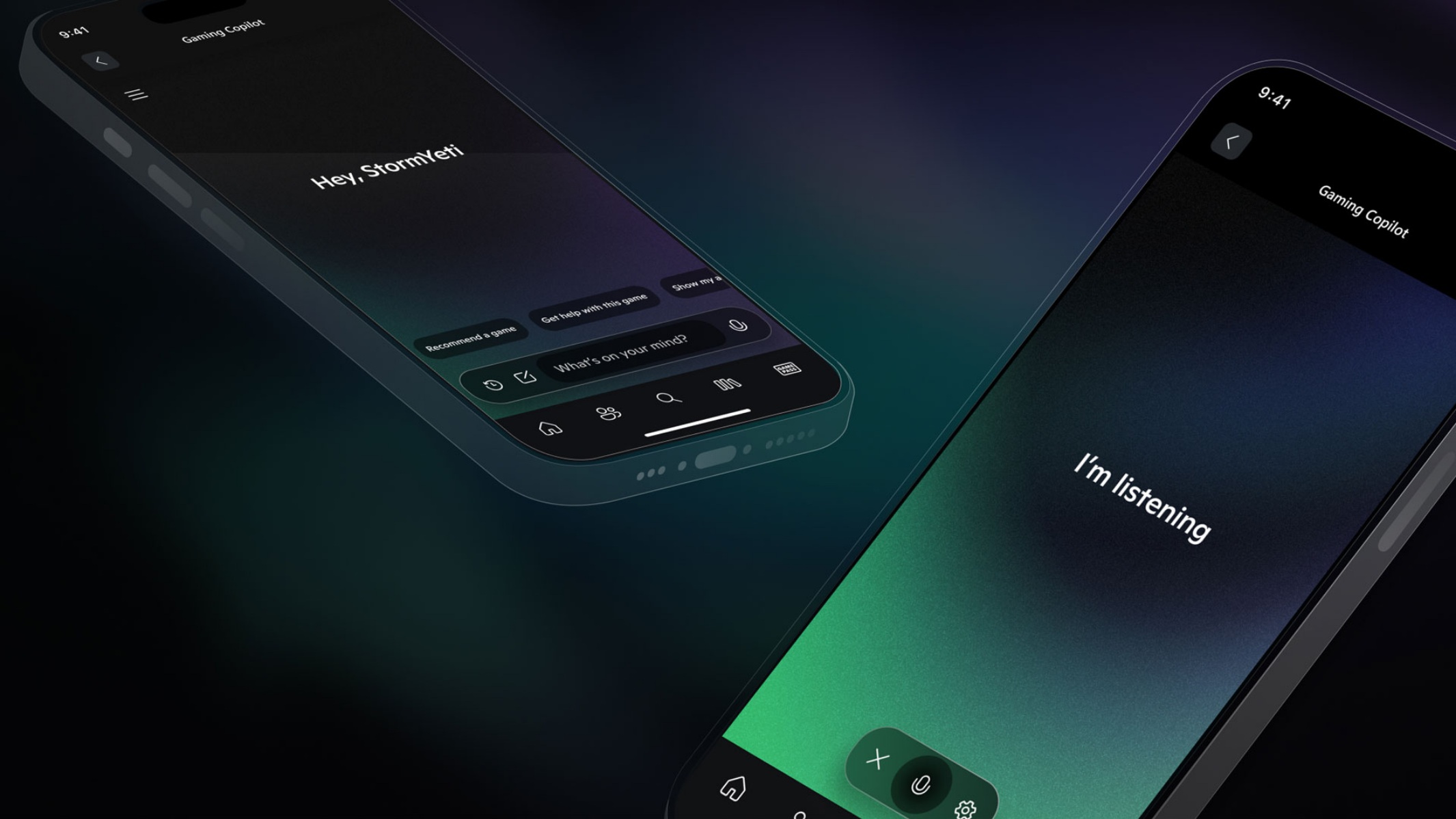
Policies are catching up to adoption. Nearly 80% of studios now have some form of AI usage policy, with 22% restricting employees to specific tools. The most popular platforms remain large language models like ChatGPT, Google Gemini, and Microsoft Copilot. However, the policies don’t always reflect enthusiasm. Many developers report feeling pressured to use AI—not out of conviction, but to avoid professional consequences.
The tension between efficiency and authenticity is perhaps best captured in the responses from developers who reject AI outright. Some argue that no algorithm can replicate the human touch in storytelling, art, or design—the very elements that define gaming’s emotional impact. Others fear AI will devalue creative labor, turning studios into factories churning out ‘slop’ rather than meaningful experiences.
Yet the debate isn’t just about artistry. It’s also about economics. Smaller studios, in particular, see AI as a way to compete with larger teams that have more resources. The question remains: Can AI enhance creativity, or will it dilute the industry’s soul?
One thing is clear—players may not notice AI’s presence in the tools developers use, but they will feel its absence if it leads to a homogenization of games. For now, studios are navigating uncharted territory, balancing productivity gains against the risk of losing what makes gaming special.