A tiny footprint doesn’t mean limited capability. The latest Gigabyte BRIX mini PC—measuring just 0.47 liters—packs an Intel Core Ultra 9 processor and up to 128 GB of DDR5 memory, positioning itself as a compact solution for small businesses that need more than just raw computing power.
At the heart of this model is the Intel Core Ultra 9 386H SoC, featuring four performance (P) cores, eight efficiency (E) cores, and four low-power efficiency (LPE) cores. It runs at a thermal design power (TDP) of 28 W, making it suitable for environments where heat dissipation is a concern. The integrated graphics come from Intel’s Xe3 architecture, with four cores clocked at 2.5 GHz, delivering 40 TOPS of performance—enough for light graphic workloads but not the heavy lifting expected from higher-tier models like the Core Ultra X9 388H, which boasts twice as many GPU cores.
Key Specifications
- Processor: Intel Core Ultra 9 386H (4P+8E+4LPE cores, 2.5 GHz iGPU)
- Memory: Up to 128 GB DDR5-6400 (CSO-DIMM) or 96 GB DDR5-5600 (SO-DIMM)
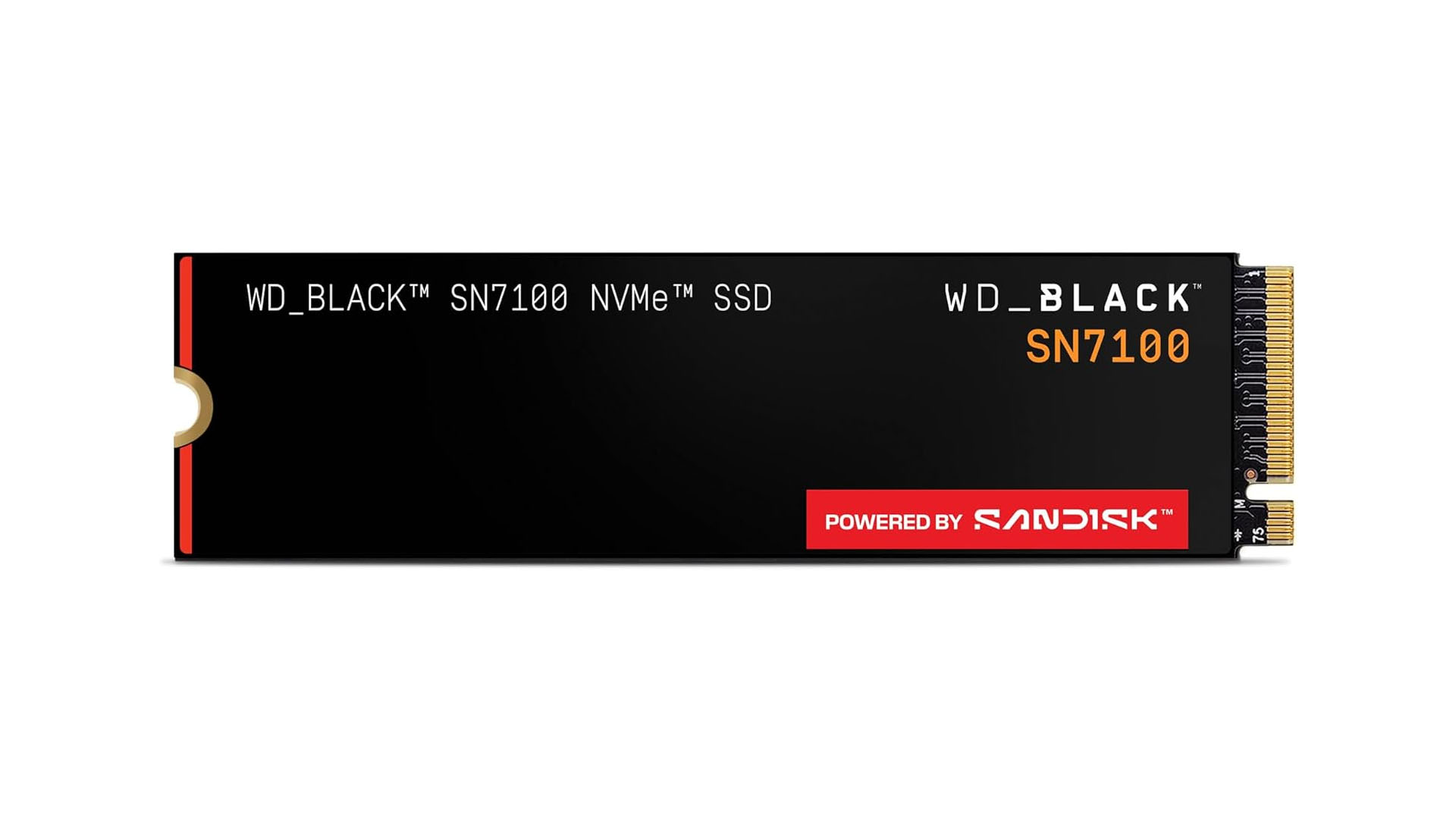
- Storage: Dual M.2 slots (PCIe Gen 5 and PCIe Gen 4)
- Connectivity: USB4, HDMI 2.1, Ethernet, multiple USB ports
- Power Delivery: USB-C with power input
The BRIX’s compact design belies its versatility. It supports two M.2 slots—one for PCIe Gen 5 SSDs and another for PCIe Gen 4—allowing users to pair high-speed storage with a more budget-friendly option if needed. The memory configuration is where this model stands out: it can take either two SO-DIMM DDR5 modules (up to 96 GB) or CSO-DIMM modules (up to 128 GB), catering to workloads that demand more bandwidth.
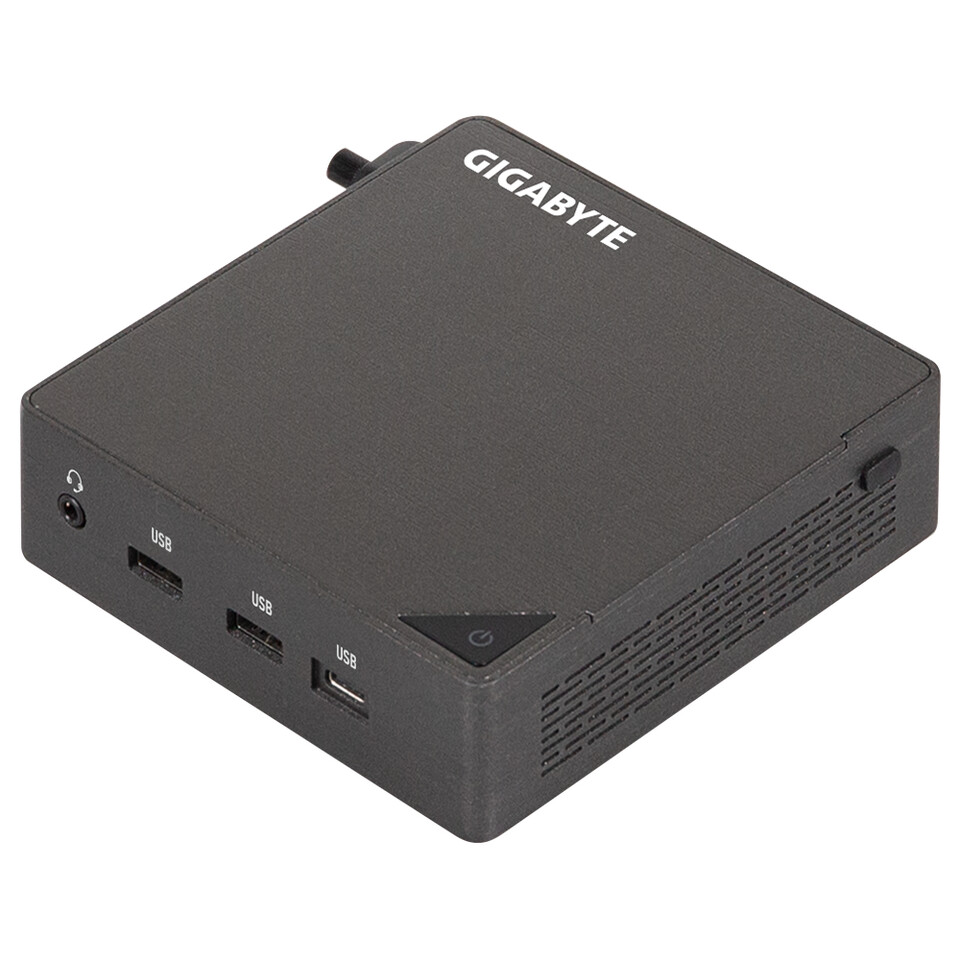
For connectivity, the front panel includes a headset jack and two USB 3.2 Gen 2 Type-A ports, while the rear offers dual HDMI 2.1 ports, another USB4 port, a USB-C with power delivery input, and an Ethernet connector. This setup ensures compatibility with modern displays and peripherals without sacrificing space.
Who It’s For—and What It Trades
The BRIX is built for small businesses or home offices where desk space is limited but computational needs are growing. Its 28 W TDP means it won’t overheat in tight spots, and the integrated graphics can handle basic video editing, light rendering, or even gaming on a secondary monitor—though demanding tasks would be better off on a dedicated GPU system.
That’s the upside—here’s the catch. The iGPU is one of the weaker configurations in Intel’s Panther Lake lineup, meaning it won’t compete with higher-end models like the Core Ultra X9 388H, which has double the GPU cores and better cooling requirements. For businesses that rely on heavy graphics work, this could be a limiting factor.
Pricing and availability are still unconfirmed, but given its feature set, it’s likely positioned as a premium barebones system—one that requires users to add their own RAM and storage. Whether the balance between compactness and capability makes it a go-to for small workloads remains to be seen.