Gigabyte has taken a bold step into high-capacity memory solutions with the introduction of its Clocked Unbuffered Dual In-Line Memory Module (CQDIMM) at CES 2026. This technology is designed to support systems requiring up to 256 GB of DDR5-7200 RAM, a configuration that far exceeds typical gaming setups and positions itself squarely in the realm of AI and professional workloads.
The CQDIMM solution is built around the Z890 Aorus Tachyon ICE motherboard, which has been optimized to handle the extreme demands of such high-capacity memory. Gigabyte's approach combines hardware optimizations with sophisticated BIOS tuning software to ensure stability and performance under heavy workloads. The company's focus on AI computing is evident in this offering, reflecting its broader strategy to position itself as a leader in advanced computing solutions.
While 256 GB of DDR5-7200 RAM may seem excessive for most gaming rigs, the current market dynamics—driven by the memory supply crisis and soaring prices—make such configurations increasingly relevant. The cost implications are significant, with even a single 128 GB DDR5 kit currently priced near $1,500. This puts the total cost of a 256 GB setup well beyond the reach of typical consumers, reinforcing its niche appeal for specialized applications.

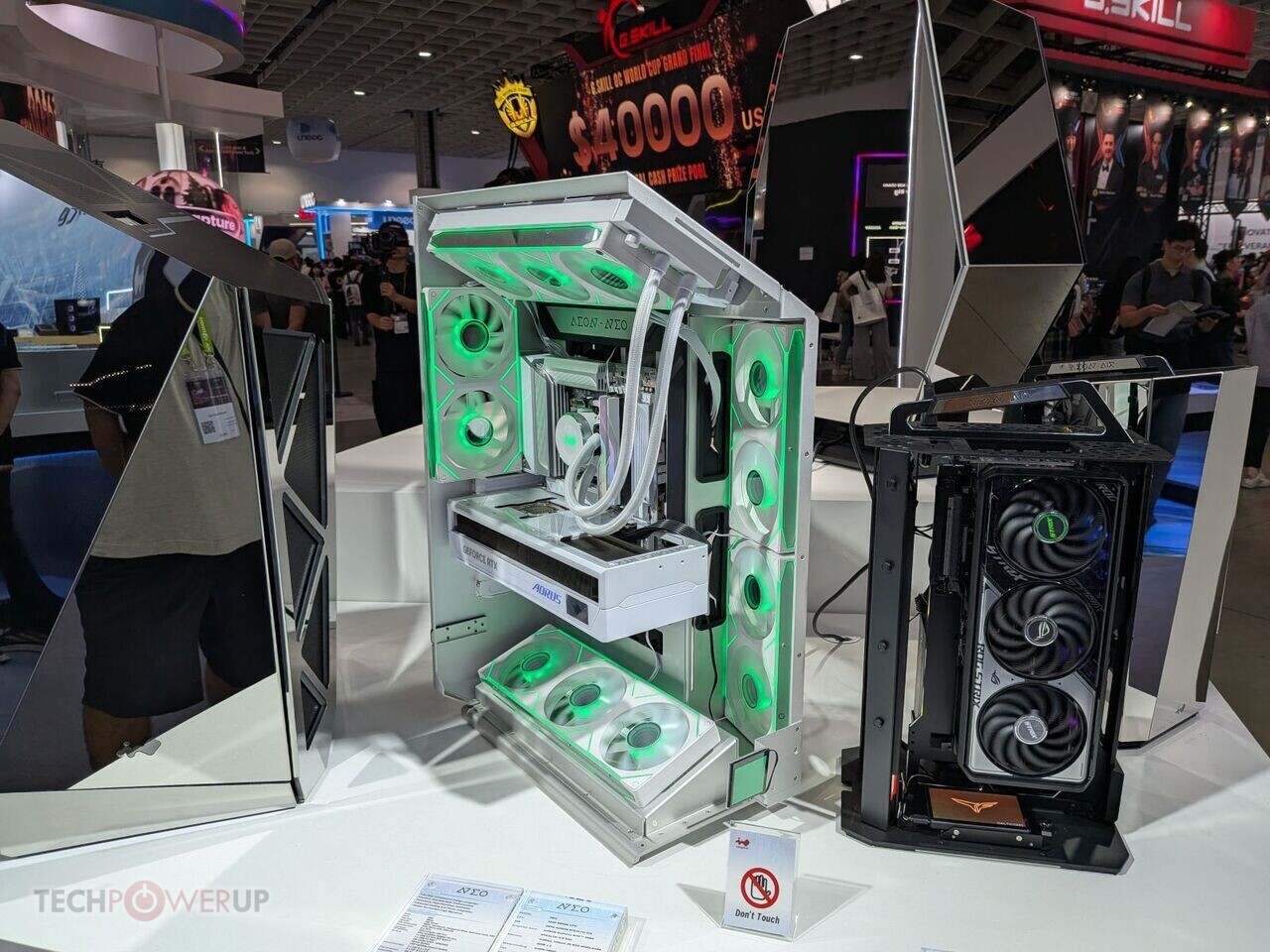
Gigabyte's CES 2026 presentation also highlighted other innovations, including an ultra-bright OLED gaming monitor featuring 'HyperNits' brightness technology. However, the company's focus on AI and high-performance computing overshadowed its traditional strengths in gaming hardware, such as graphics cards. Notably, Gigabyte's latest Aorus RTX 5090 Infinity card, while powerful, has drawn criticism for its unconventional design.
The introduction of the CQDIMM solution underscores Gigabyte's commitment to pushing the boundaries of memory technology, even as it navigates a market where prices remain prohibitively high. For now, such extreme configurations are likely to remain confined to specialized AI and data-intensive workloads, but the underlying technology could have broader implications for future computing architectures.