The Z890 AORUS Elite DUO X from Gigabyte is positioning itself at the forefront of desktop innovation, but with a critical tradeoff: enthusiasts gain access to advanced memory support and performance potential, while everyday users face higher costs without guaranteed benefits. This motherboard isn't just an incremental upgrade—it's a high-stakes experiment in how far current hardware can be pushed.
At its core, the Elite DUO X is built around Intel's 13th-generation Core processors and supports CQDIMM (Cache-Qualified Double Data Rate) memory modules. This isn't just about faster RAM; it's about redefining how memory interacts with CPUs. CQDIMM modules leverage on-die cache to reduce latency, a feature that could theoretically unlock significant performance gains in applications like video editing or 3D rendering. However, the real-world impact remains uncertain. While benchmarks may show improvements, everyday users might not notice a tangible difference in daily tasks like web browsing or office work.
Performance Potential vs. Practicality
The motherboard itself is a technical marvel, featuring a robust VRM design capable of handling high-power processors and supporting up to 4800MHz DDR5 memory out of the box. It also includes a dual-throttle design for better thermal management, which could be crucial during prolonged heavy workloads. The Elite DUO X doesn't stop there—it packs in additional features like a dual BIOS system, Thunderbolt 4 support, and an array of connectivity options, including USB 3.2 Gen 2x2 ports and Wi-Fi 6E.
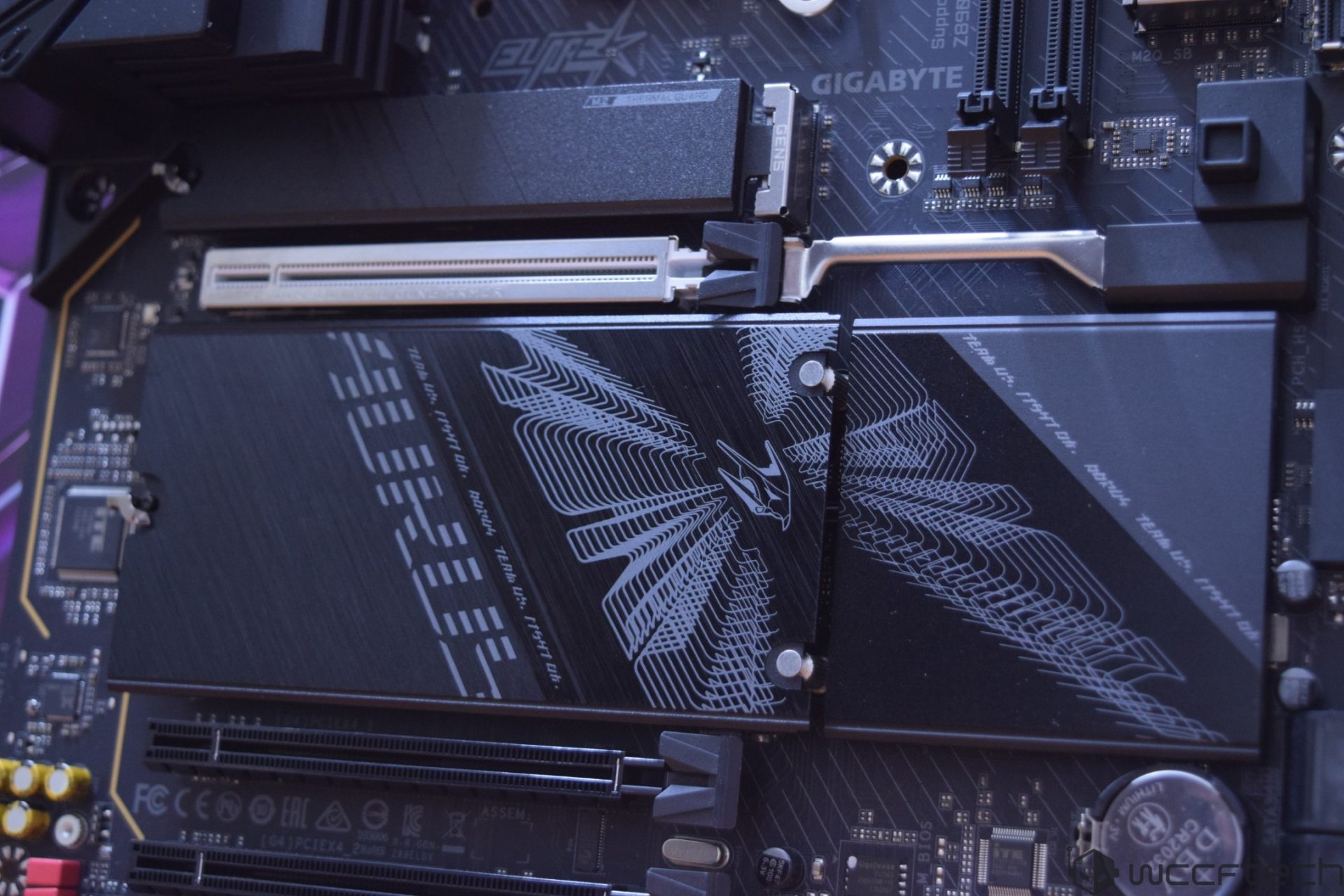
But the question looms: who truly benefits? Enthusiasts and power users with deep pockets may find value in the Elite DUO X's advanced features, particularly if they're already invested in high-end hardware and pushing the limits of their systems. For them, the potential for performance gains—even if marginal—could justify the premium price. However, for the average user, the motherboard's advanced capabilities might feel like overkill. The cost of CQDIMM modules alone could make this a niche upgrade, leaving many to wonder whether they're getting their money's worth.
Looking Ahead: Is This the Future?
The Elite DUO X is more than just a product; it's a glimpse into where desktop hardware might be heading. CQDIMM support could pave the way for even more efficient memory-CPU interactions, but adoption hinges on both hardware and software advancements. For now, users must weigh the risks: will the performance gains live up to the hype, or is this a speculative leap that only a few will benefit from? The answer may not be clear until more systems are tested in real-world scenarios.
In the end, the Z890 AORUS Elite DUO X is a bold step forward, but one that demands careful consideration. It's not for everyone, and its long-term impact remains to be seen. For those willing to take the risk, it could redefine what's possible in desktop performance. For others, it might just be an expensive curiosity—a reminder of how quickly hardware evolves and how hard it is to keep up.