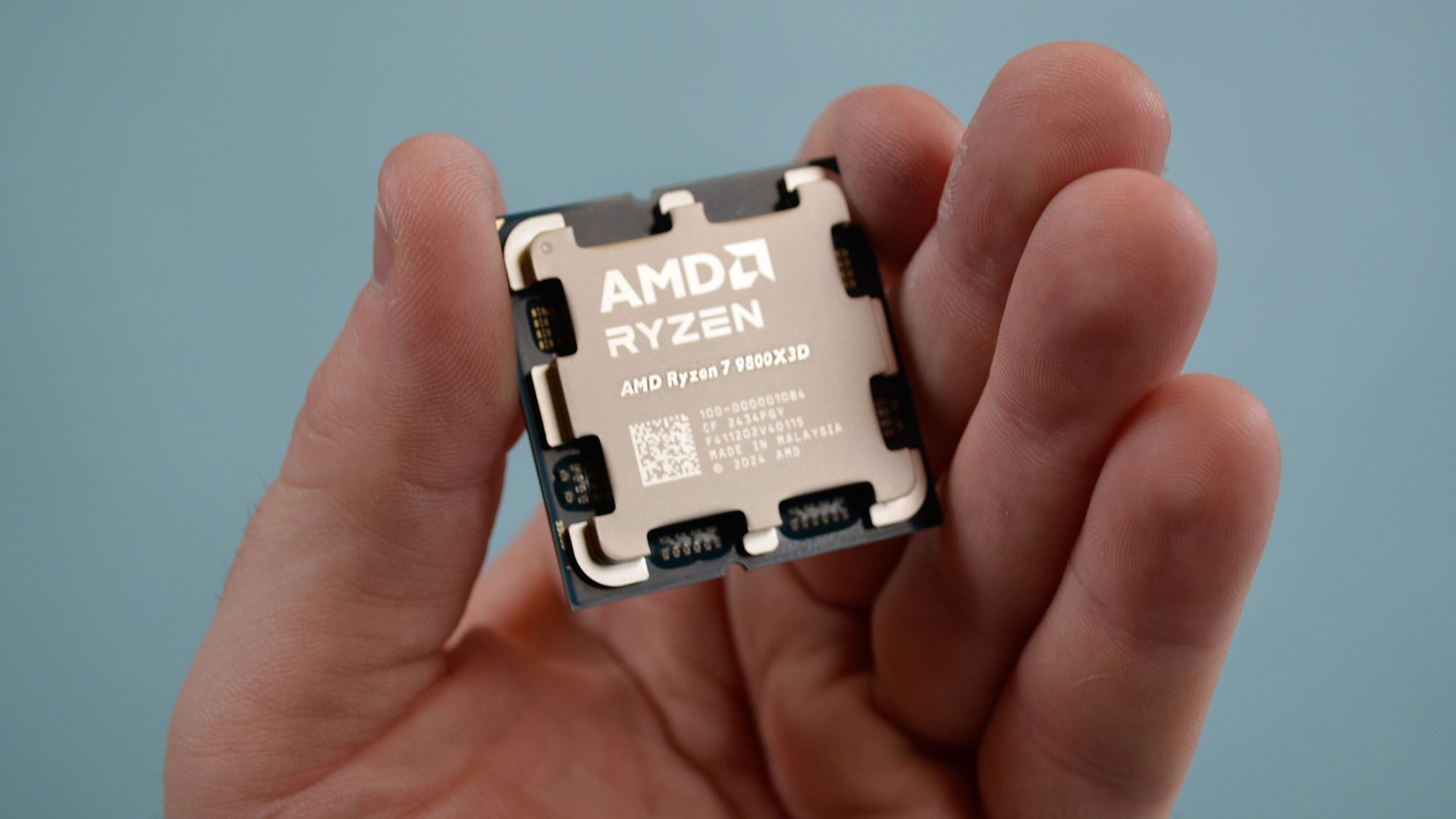
An IT manager in a mid-sized data center recently faced an unexpected choice: upgrade an existing system to a newer CPU architecture or squeeze every last drop of performance from an older platform. That scenario now has a new variable—the Ryzen 5 5800X3D, which AMD has brought back for the 10-year anniversary of the AM4 socket.
This isn't just a re-release; it's a rebuild. The original Ryzen 5 5800X3D launched with a focus on gaming performance, but this iteration has been refined to address real-world workloads beyond benchmarks. The key change lies in its power efficiency and thermal behavior, making it more suitable for prolonged server-like environments where stability and longevity matter as much as raw speed.
AM4's journey began in 2017 with the Ryzen 7 1800X, setting a new standard for desktop CPUs. Over time, the platform became synonymous with high-end performance, but its dominance has waned as newer sockets like AM5 took center stage. The return of the 5800X3D is a deliberate attempt to revive interest in an older architecture, leveraging AMD's signature 3D V-Cache technology—a feature that promised to bridge the gap between single-core and multi-core performance.
- Key specs:
- Model: Ryzen 5 5800X3D
- Cores/Threads: 8 cores / 16 threads
- Base Clock: 3.4 GHz, Boost Clock: 4.5 GHz
- Cache: 96 MB L3 (3D V-Cache)
- TDP: 105 W
- Socket: AM4
- Memory Support: DDR4-3200
The 5800X3D's reappearance is notable for its timing. While AMD has already introduced newer CPUs like the Ryzen 7 7800X3D, this move targets users who are either reluctant to switch to a new platform or lack immediate compatibility with AM5. The CPU's power draw and thermal profile have been recalibrated to align better with data center-grade workloads, where uptime is critical.
For IT teams evaluating whether to invest in legacy hardware, the 5800X3D offers a compelling case for short-term gains without long-term risk. It's not a replacement for cutting-edge performance but serves as a stopgap that could extend the useful life of existing AM4-based systems by several years. The challenge now shifts to competitors like Intel, which must respond with similar innovations or face the potential loss of mid-range market share.
Availability details remain unclear, leaving buyers in a state of cautious anticipation. If priced competitively and positioned as a practical solution rather than a flashy upgrade, the 5800X3D could carve out a niche in environments where performance is needed but platform transitions are costly or impractical.