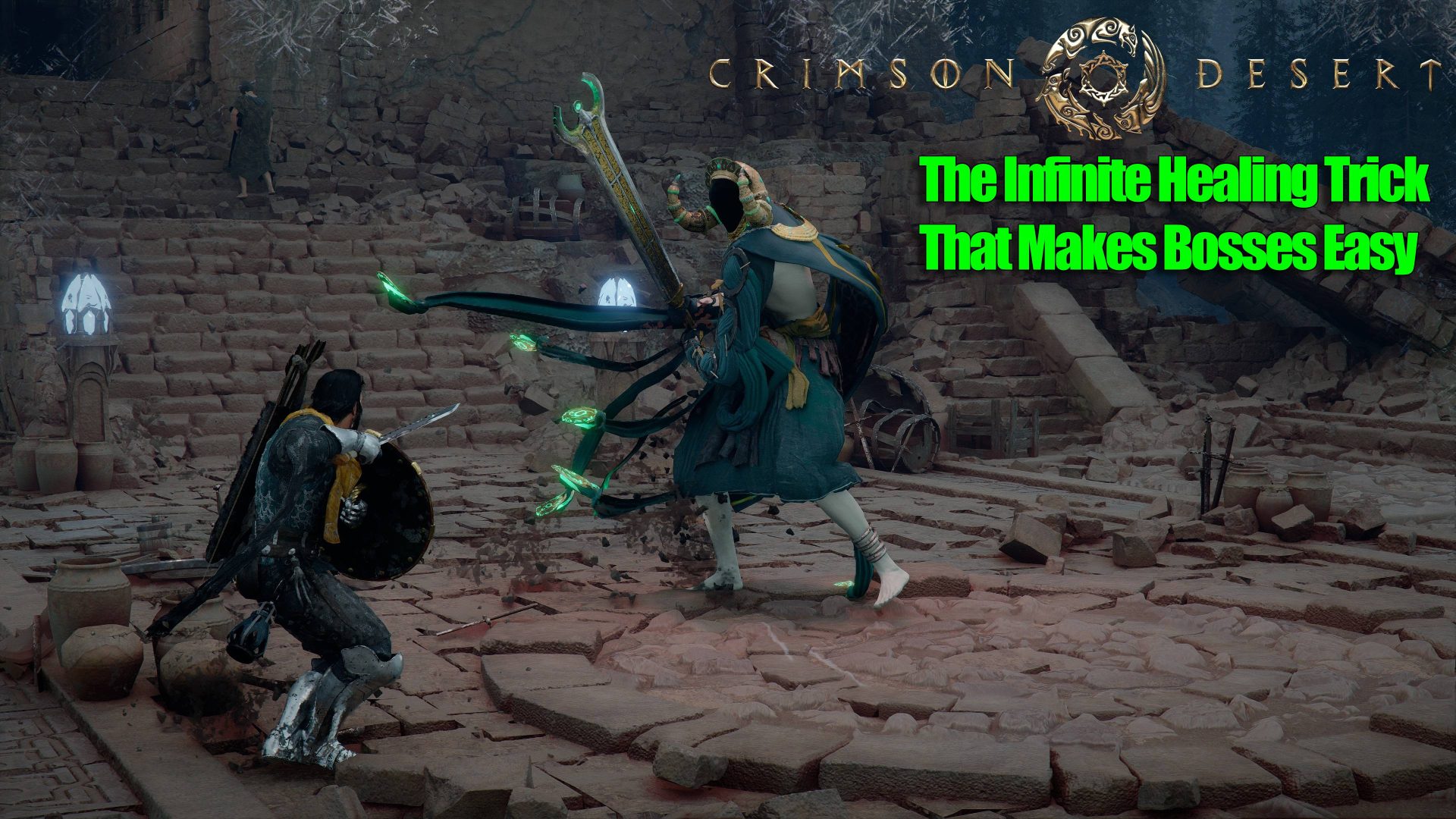
The Crimson Desert’s latest meta shift has introduced a strategy so unconventional it challenges the very foundations of boss-fight design: using grilled meat as an infinite healing source. Unlike traditional healing methods, this approach turns a common consumable into a dominant playstyle, forcing players to rethink how they allocate resources during high-stakes encounters. For developers, it serves as a microcosm of how player innovation can stress-test even the most carefully balanced systems.
At the heart of this strategy is an interaction that defies expectations. Grilled meat, typically a minor consumable with limited utility, becomes a cornerstone of combat when used in rapid succession without traditional cooldowns. Players can now sustain damage output indefinitely by chaining multiple uses, effectively eliminating the need for potions or other healing items. The result is a playstyle that prioritizes resource efficiency over specialized healing tools, shifting the balance in favor of those who can manage their inventory with precision.
Industry-Wide Ripple Effects
- Resource Management Overhaul: The grilled meat meta forces players to treat healing as a renewable commodity rather than a finite one. This could encourage developers to rethink how they design consumable systems, potentially leading to more dynamic or adaptive mechanics in future titles.
- Difficulty Curve Challenges: If such strategies become widespread, it may prompt updates or patches to address unintended power spikes, raising questions about how to maintain intended difficulty while allowing for player creativity. This could set a precedent for other games facing similar meta shifts.
The implications extend beyond Crimson Desert. Games with similar mechanics—particularly those relying on consumables and cooldowns—could see players adopting analogous strategies, leading to broader industry discussions about balancing innovation with design intent. For IT teams, this serves as a reminder that even the most robust systems can be reshaped by player behavior, often in ways developers never anticipated.
Looking Ahead: What This Means for Combat Design
The grilled meat meta isn’t just a temporary trend; it’s a signal of how player-driven innovation can redefine entire combat systems. As more players adopt this strategy, the pressure on developers to adapt will grow, potentially leading to new mechanics or system overhauls. For instance, games might introduce dynamic cooldowns, resource depletion, or environmental factors to counter such playstyles while preserving the intended challenge.
For players, the takeaway is clear: creativity in resource management can turn minor mechanics into dominant strategies. This meta shift demonstrates that healing isn’t just about potions or magic—it’s about foresight, adaptability, and a willingness to think outside the box. As Crimson Desert continues to evolve, this strategy will likely influence how players approach other games with similar systems, setting a new standard for combat innovation.
The most significant change this brings is the deconstruction of traditional healing paradigms. No longer confined by cooldowns or rarity, grilled meat represents a shift toward renewable resources in combat, a concept that could permeate future game design. Whether this trend persists or fades, it underscores the delicate balance between player agency and developer control—a balance that will shape the next generation of action games.