A $26 bundle that includes a one-time purchase of both Windows 11 Pro and a complete Microsoft Office suite is shaking up the tech market by offering a permanent alternative to subscription-based models. This isn’t just about savings—it’s a strategic pivot that could make high-end features more accessible while cutting out the need for ongoing payments.
Windows 11 Pro, known for its advanced security tools and multi-device management capabilities, is paired with Office applications such as Word, Excel, PowerPoint, Outlook, and OneNote. Unlike traditional Microsoft offerings, this bundle requires no monthly fees; the $26 price tag covers both the operating system and the full suite indefinitely. For users accustomed to subscription models, this represents a significant shift in how they can access enterprise-grade software without being locked into long-term commitments.
The appeal is clear for everyday users who need Windows 11 Pro’s features, such as virtualization-based security or Android app support, but hesitate at the cost of subscriptions. However, it’s important to note that this Office suite does not include some advanced tools available in business plans, like expanded Microsoft Teams meeting limits. This could be a limiting factor for power users or those working in professional environments.
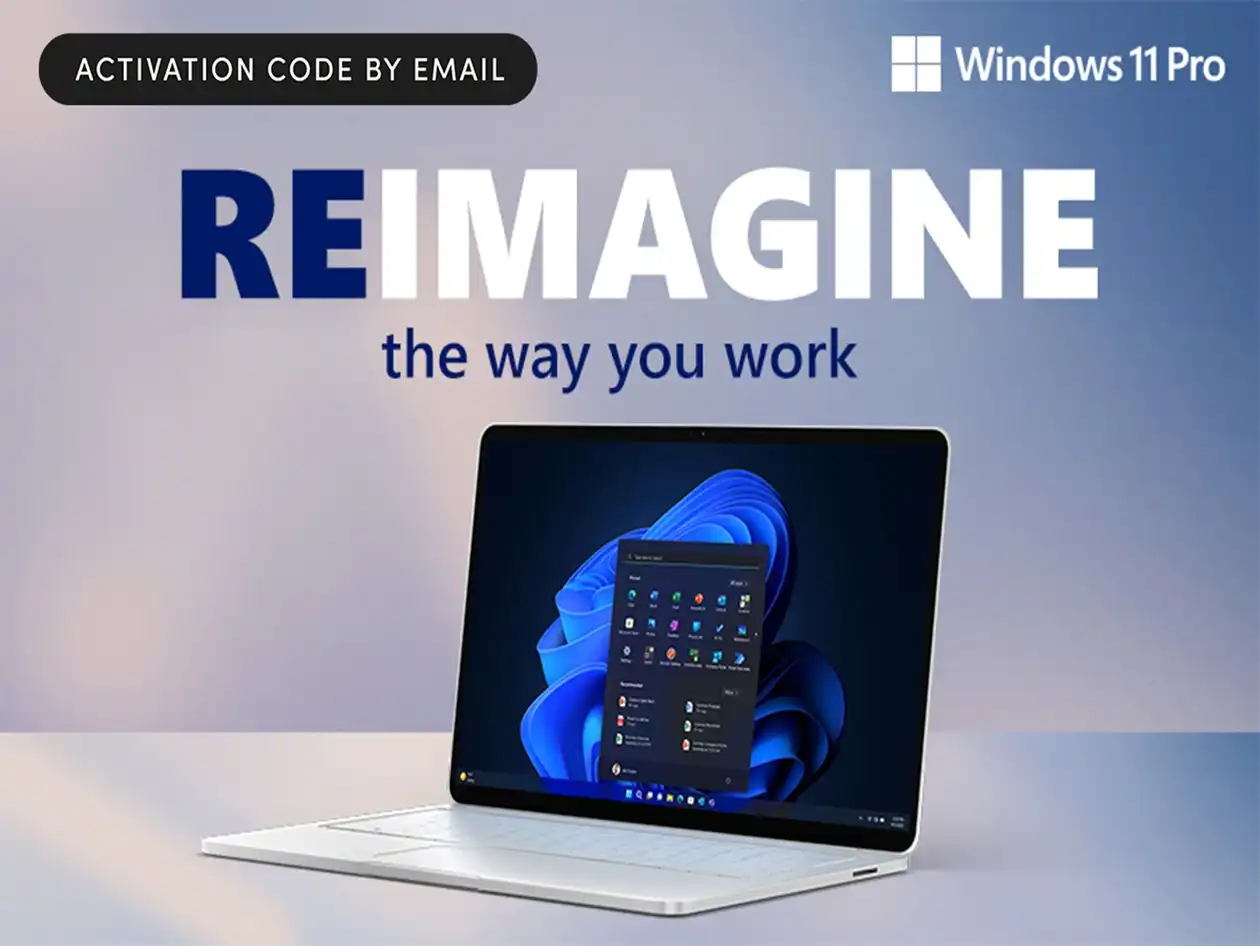
While the bundle is sold through a third-party retailer, its availability outside of official Microsoft channels means buyers should exercise caution. Compatibility with existing hardware must be verified to avoid activation issues, particularly since Windows 11 Pro has stricter system requirements than its Home version. Users should ensure their devices meet the necessary specifications to prevent any post-purchase complications.
This bundle serves as a test case for whether fixed-price models can compete with the dominance of subscription-based software. If successful, it could inspire more competitors to adopt similar approaches, potentially reshaping the market. For now, it offers a compelling alternative for those who prioritize one-time savings over cloud-based flexibility. Whether this model gains traction or fades depends on how Microsoft and others respond to this shift in consumer behavior.