Hell Let Loose: Vietnam will arrive in August 2026, marking a two-month delay from its previously announced window. The shift comes as developers refine the experience based on beta feedback, though no additional details about the changes have been confirmed.
The original June release date was set with high expectations for a historically accurate World War I shooter, blending tactical gameplay with immersive realism. While the delay suggests iterative improvements, it also introduces questions about whether the game will meet its ambitious roadmap without further adjustments.
Beta Feedback Drives Adjustments
No official breakdown of the feedback has been provided, but the delay indicates a focus on balancing gameplay mechanics and technical performance. Developers are likely addressing concerns around heat management in prolonged sessions—a common issue for high-performance titles targeting modern hardware.
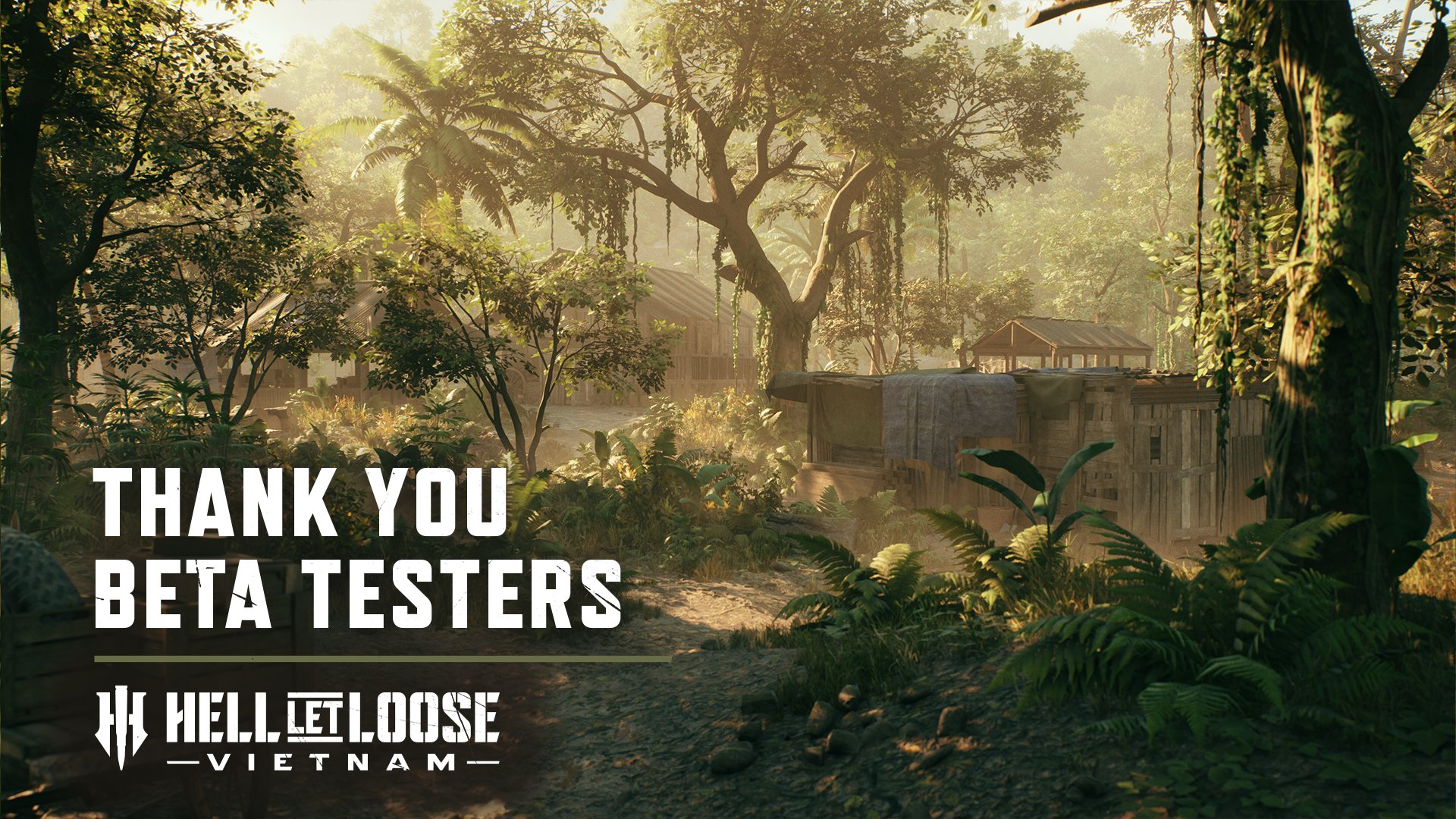
- Release window: August 2026 (delayed from June)
- Target platform: PC
- Genre: First-person shooter (WWI setting)
What Gamers Should Watch
The next update will likely clarify whether the delay is purely a buffer for polish or if additional milestones are being considered. If the game sticks to August, it may signal a tight but achievable timeline. However, without transparency on pricing or regional availability, players should brace for potential further shifts.
Efficiency and Heat: A Long-Term Concern
For gamers running high-refresh-rate monitors or pushing hardware limits, the game’s thermal behavior will be a key factor in long-term adoption. If developers prioritize stability over aggressive optimization, session lengths could remain constrained—a trade-off seen in other demanding titles.
The delay doesn’t alter the core premise: a visually grounded, historically driven shooter with a clear roadmap for future content. But whether it lands on time will depend on how aggressively the team addresses feedback without introducing new risks.