When Highguard’s trailer debuted at The Game Awards, it didn’t just fail to impress—it triggered a backlash before a single player had even experienced the game. Critics online dismissed it as another generic hero shooter, a charge that stung Wildlight Entertainment’s leadership. Now, with launch looming, the studio is doubling down on an unconventional vision for success: one that doesn’t hinge on massive player counts or viral momentum.
The problem isn’t just the trailer. It’s the broader industry obsession with concurrent player metrics as the sole measure of a game’s health. For Wildlight, that framing misses the point entirely. The studio’s lead designer has explicitly stated that Highguard doesn’t need millions of simultaneous players to thrive—it only needs a dedicated core. A six-player match isn’t hard to fill, the designer noted. What we’re after is a community that loves what we’re building.
Why Player Counts Aren’t the Goal
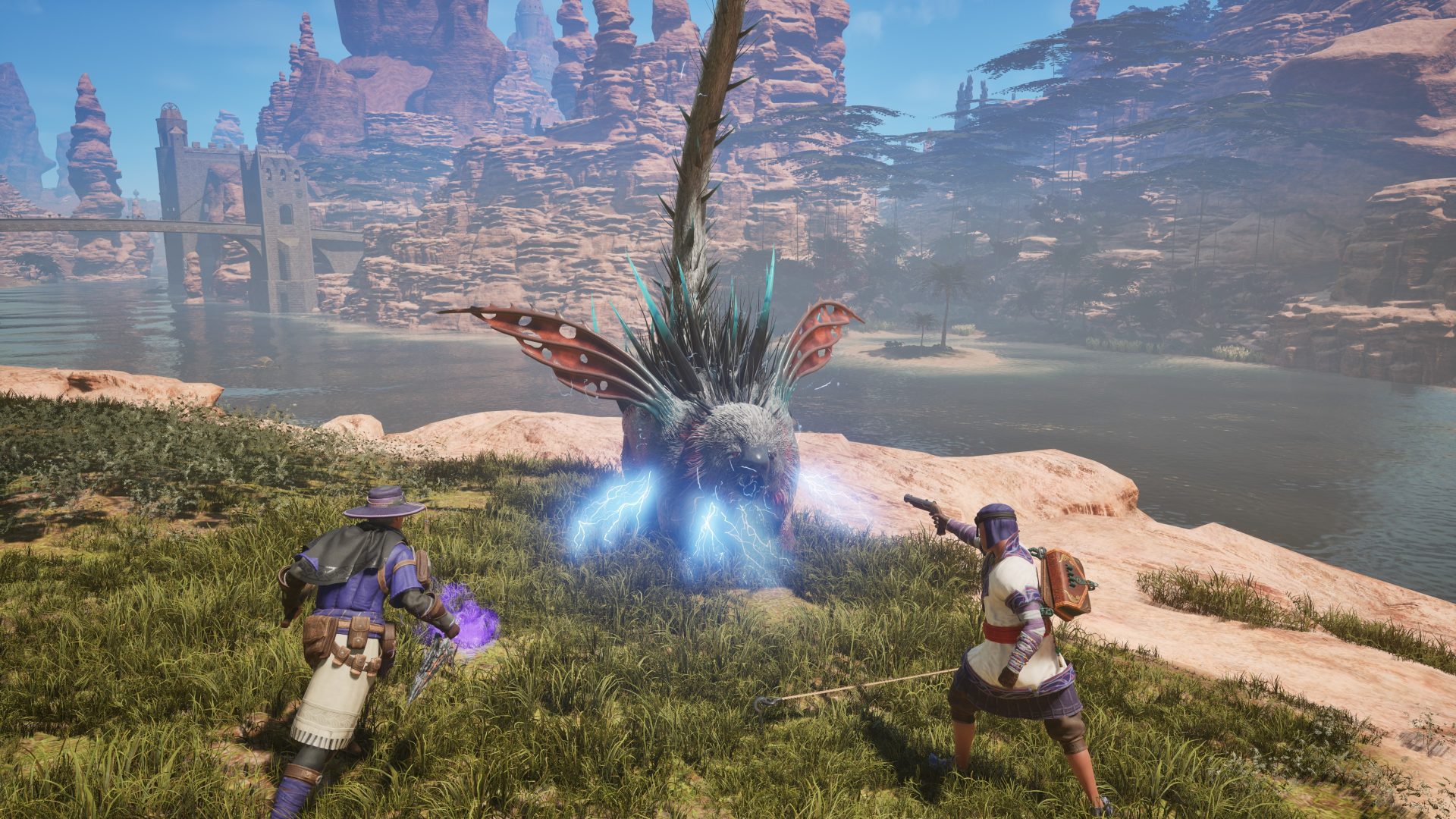
Wildlight’s approach is rooted in pragmatism. With a team of around 100—many of whom cut their teeth at Respawn on titles like Titanfall and Apex Legends—the studio operates on a lean budget and a clear understanding of its limitations. Unlike AAA live-service games that chase global player bases, Highguard is designed for depth over scale. Its core mode, a multi-phase 3v3 tug-of-war battle, demands strategy and coordination rather than brute-force competition.
Yet, the game’s niche appeal isn’t a bug—it’s a feature. The studio’s VP of product and publishing acknowledges the internet’s tendency to dismiss anything that doesn’t fit the big launch mold. The internet will be the internet, he said. But live-service games succeed by listening to the feedback beneath the noise. Wildlight’s plan? To refine the experience based on early player behavior, not hype cycles.
A Shooter Market That Keeps Growing
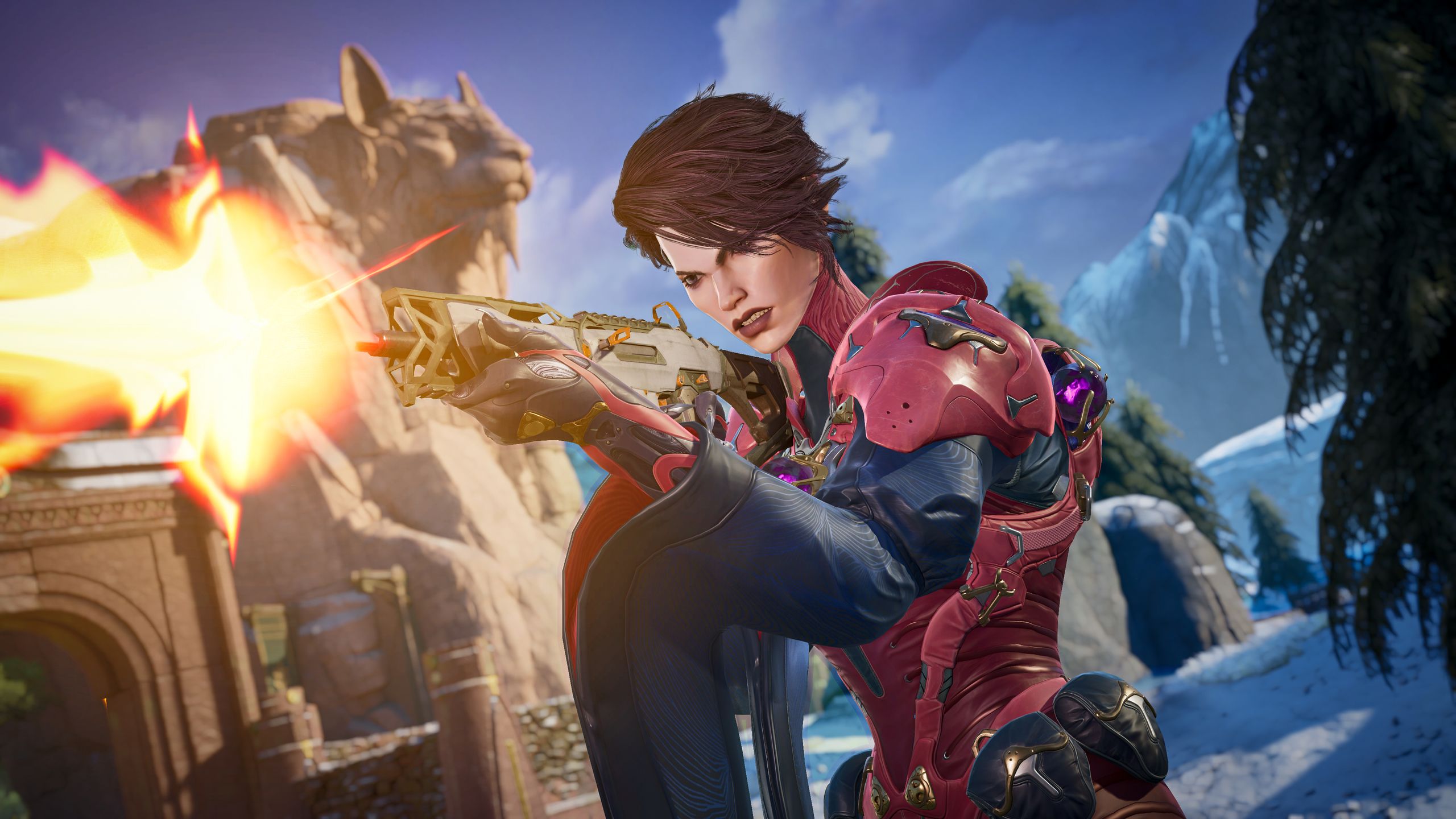
Despite the genre fatigue narrative, the data tells a different story. Shooters dominate PC gaming, accounting for five of the top 10 games by monthly active users. Even lesser-known titles find audiences—proof that the market isn’t saturated, just fragmented. Highguard’s CEO points to Marvel Rivals as a recent example: a hero shooter that launched to instant success by carving out its own identity.
Wildlight’s bet is that Highguard can do the same. The studio isn’t chasing trends; it’s betting on a player base that values complexity over spectacle. Early impressions suggest the game’s mechanics are ambitious, but whether they resonate long-term remains to be seen. One thing is clear: Wildlight isn’t waiting for the internet to decide its fate. They’re building a game—and a community—one match at a time.
What’s Next?
With more coverage on the horizon, including deeper gameplay analysis, the focus now shifts to whether Wildlight’s strategy will pay off. The studio’s refusal to chase player count metrics sets it apart in an industry obsessed with numbers. But in a genre where even niche titles can thrive, Highguard’s path to success might just depend on whether its unique loop captures the right players—no hype required.