Highguard arrives as a deliberate counterpoint to the cluttered, ad-saturated landscape of modern free-to-play shooters. While most games in the genre drown players in pop-ups, forced updates, and exploitative monetization schemes, Wildlight Entertainment’s debut is built on a single principle: leave players alone—unless they choose to engage with the store.
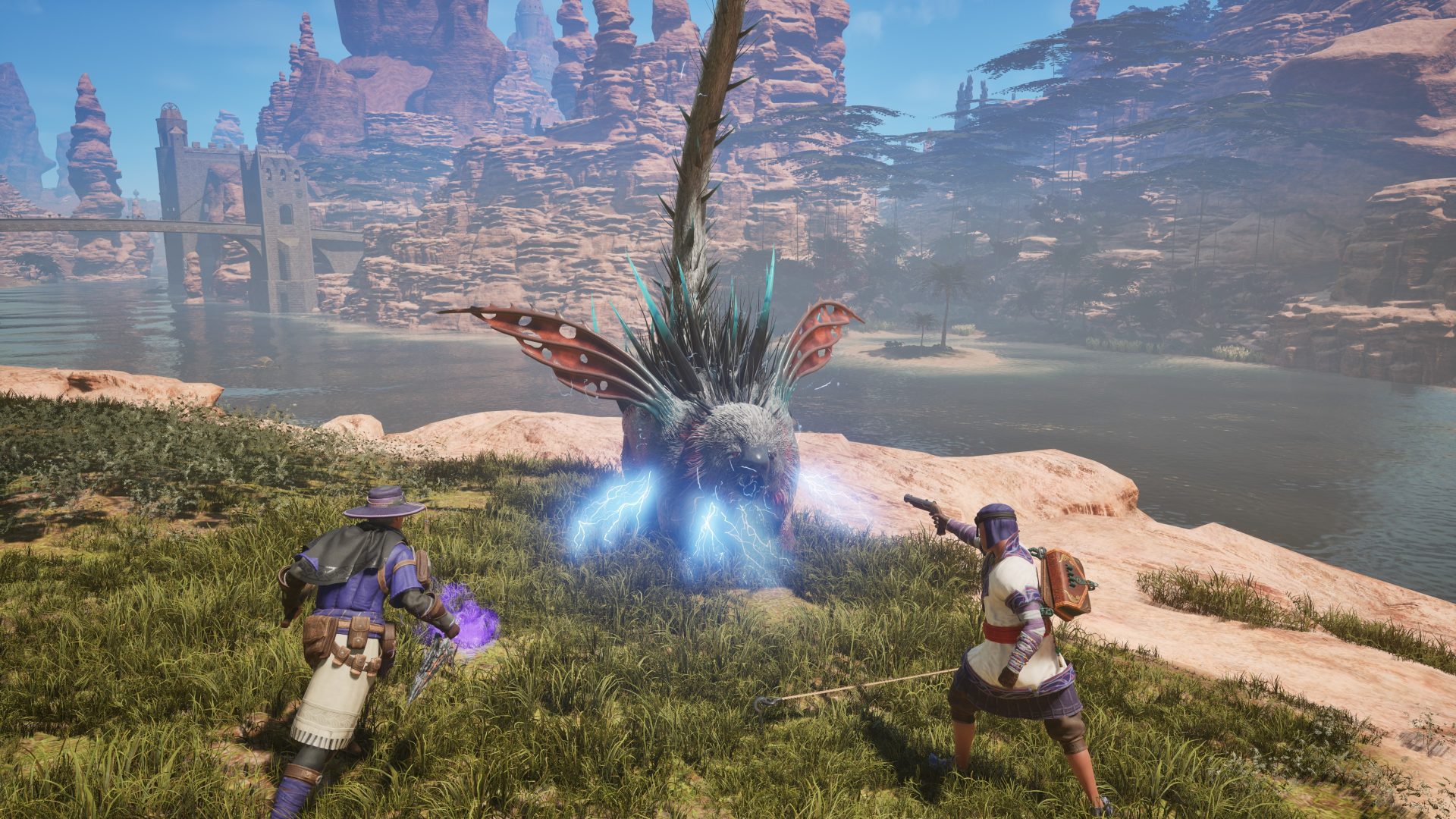
The game’s business model is straightforward: entirely free to play, with no pay-to-win mechanics, no loot boxes, and no forced battle pass expiration. The most expensive cosmetic item—a legendary bear mount—caps at $20, and the store itself is designed as a curated space, free of pressure or artificial scarcity. Even the message-of-the-day system, a staple in most live-service games, is minimalist to the point of near-absence.
This isn’t just a theoretical stance. During a hands-on preview in Los Angeles, the build demonstrated what Wildlight calls its ‘toy store’ philosophy—a direct rejection of the ‘gumball machine’ approach where players are bombarded with low-value microtransactions for a few high-end rewards. Instead, the store presents high-quality cosmetics as the primary draw, with no hidden costs or RNG-based gating. Artists, the developers note, are empowered to create only top-tier content, eliminating the need for filler.
No Ads. No Crossover Skins. No Forced Engagement.
What sets Highguard apart most sharply is its refusal to follow industry trends like aggressive in-game advertising. Unlike competitors that plaster pop-ups across menus, match transitions, and even active gameplay, Highguard’s monetization is confined to the store tab. There are no layered ads, no forced upsells, and no dynamic content that disrupts the player experience. Co-founder Chad Grenier emphasized that the game’s UI—character-driven menus, clean mode selectors—is the final product, not a placeholder for future ad clutter.

Wildlight also ruled out crossover skins, a common monetization tactic in live-service games. The team cited Apex Legends as a reference point, where collaborations are carefully vetted to align with the game’s universe. Highguard’s worldbuilding is a priority, and real-world branding would undermine its narrative ambitions. This extends to updates: new heroes, maps, and content are free for all players, with no paywalls or limited-time offers.
A Store Built for Players, Not the Algorithm
The game’s lead designer, Mohammad Alavi, framed the approach as a creative win. By eliminating loot boxes and RNG-based systems, artists can focus on crafting cosmetics that feel meaningful rather than disposable. The result is a store that feels like a collection rather than a cash grab—a philosophy that aligns with Wildlight’s broader vision for player agency.
Highguard isn’t just a technical departure; it’s a cultural one. It targets players exhausted by the grind of live-service games—those who want a free-to-play experience without the constant nagging, the predatory upsells, or the erosion of their time. The $20 price cap on cosmetics and the absence of forced updates make it accessible, while the lack of ads and loot boxes positions it as a rare safe harbor in an increasingly crowded and exploitative market.
The game’s launch builds on this foundation, with no confirmed release date yet announced. For now, it stands as a proof of concept: a shooter that proves free-to-play can coexist with player respect—and that a store doesn’t have to be a minefield of frustration.