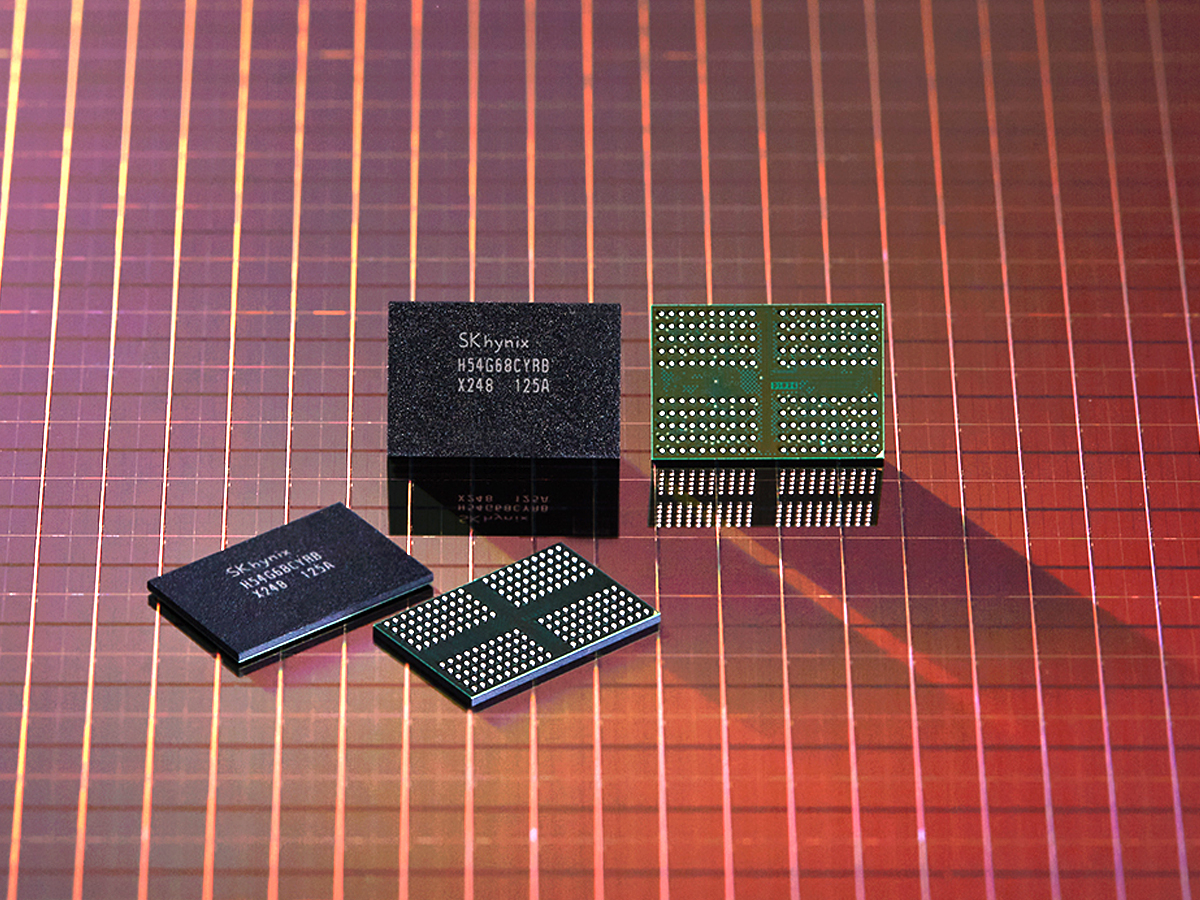
In a move that quietly reshapes its supply chain strategy, Apple has begun using interchangeable DRAM modules across its iPhones and Macs. This shared architecture allows the company to pool inventory, reducing exposure to shortages without passing higher costs onto consumers.
The shift is part of a broader effort to stabilize production while maintaining performance benchmarks. By standardizing memory components between platforms, Apple can reroute stock more efficiently, a tactic that gains urgency as global DRAM supplies tighten. The change affects the latest iPhone 15 series and MacBook Pro models, where identical 8GB LPDDR5X chips serve dual roles—balancing power needs without sacrificing speed.
The practical benefit becomes clear when comparing operational costs. A typical iPhone 15 Pro uses 6GB of DRAM, while a MacBook Pro 16-inch can draw from the same 8GB pool, depending on demand. This flexibility lets Apple absorb fluctuations in supply without disrupting production lines or inflating prices.

Yet the trade-off isn’t invisible. While the shared DRAM modules ensure consistency across devices, some high-end Mac configurations may see slightly higher thermal output due to optimized power delivery. Gamers and content creators on Macs might notice a marginal increase in fan noise under sustained workloads, though real-world performance remains unchanged.
Looking ahead, the trend suggests Apple will lean harder on shared components as it faces similar pressures in other areas, such as SSD production. The strategy could redefine how tech giants manage supply chains—prioritizing modularity over platform-specific designs. For consumers, the immediate takeaway is stability: no price hikes, but a subtle shift in how devices are built behind the scenes.