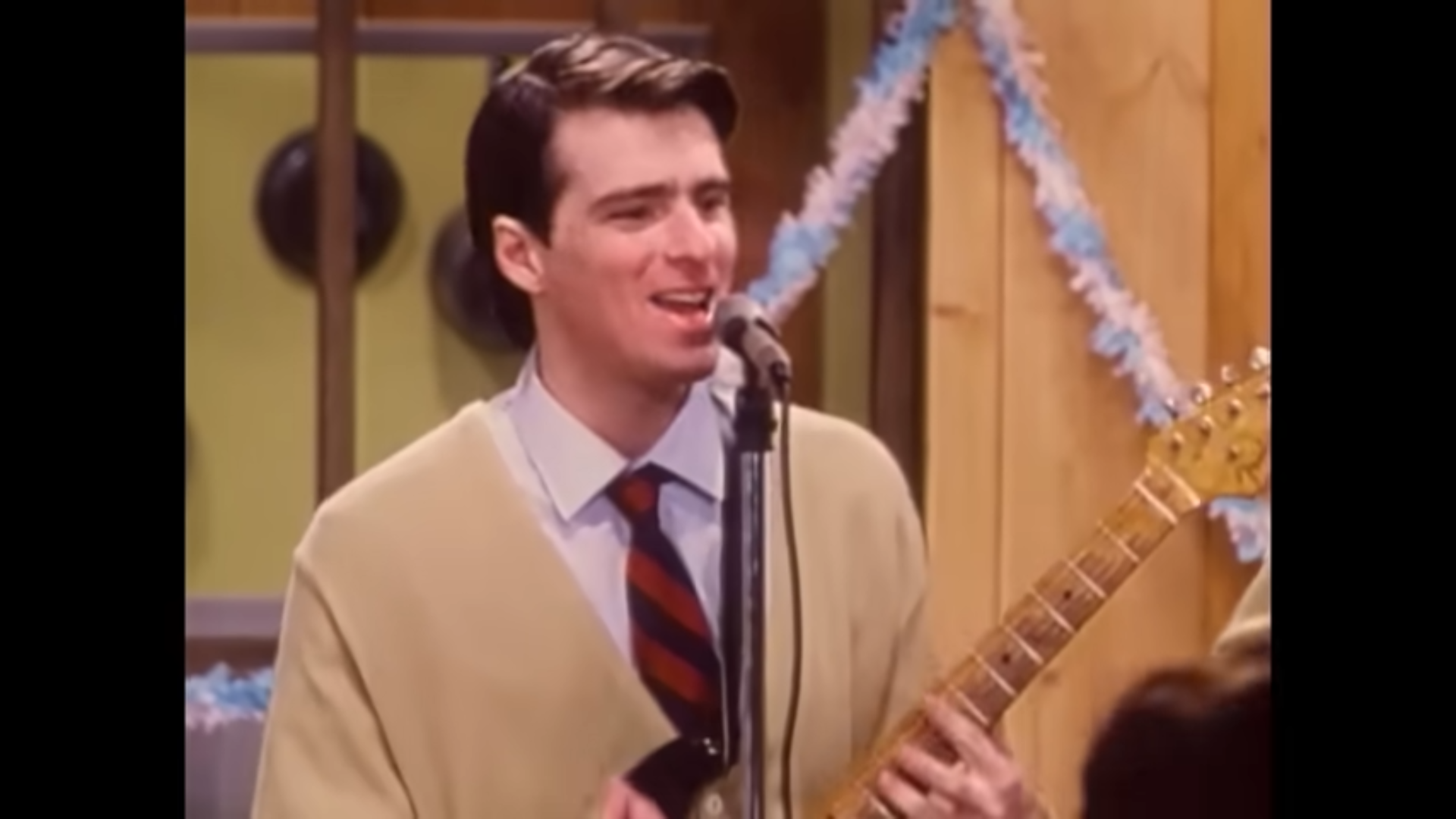
When Windows 95 launched in 1995, its multimedia features—like the ability to play music videos directly from the install CD—were a revelation. Among the freebies included was Weezer’s Buddy Holly* video, a nostalgic mashup of the band’s music with clips from the 1970s sitcom Happy Days. What most users never realized was that Microsoft’s legal team faced an unexpected hurdle: securing permission from every actor in those Happy Days scenes, including Henry Winkler, who played the iconic character 'The Fonz.'
The challenge wasn’t just about clearing the music—it was about the visuals. The video intercut live performances of Weezer with archival footage of Winkler and other cast members. To legally distribute it, Microsoft had to track down rights holders for each frame, a process that reportedly involved tracing Winkler’s contact details through agents. Whether the lawyers spoke directly to Winkler or his representatives remains unclear, but the effort was no small feat in an era before digital rights management was standardized.
The song itself was easier to clear, as Weezer’s label, Geffen Records, granted permission. Yet the band’s own members were oblivious to the significance of the inclusion. Drummer Pat Wilson later admitted he was furious when he learned Microsoft had used their video without their direct consent—only to later recognize it as a stroke of luck. 'I was like, How are they allowed to do this without our permission? Turns out it was one of the greatest things that could have happened to us,' he said. The band’s producer, Karl Koch, echoed the sentiment, noting that none of them even owned computers at the time and had no idea how widely their video would be distributed.
This wasn’t Microsoft’s first foray into licensing popular music for its software. The company had previously secured rights to The Rolling Stones’ Start Me Up for Windows 95 advertisements, a move that became synonymous with the OS’s launch. The effort underscored Microsoft’s willingness to invest in multimedia as a selling point—even if it meant navigating a legal landscape that was still figuring out how to handle digital distribution.
Fast-forward to today, and the process of licensing content for an operating system would likely involve automated rights systems and blockchain-tracked permissions. Back then, it required a mix of persistence, old-school legwork, and a touch of Hollywood nostalgia. The result? A music video that became a cultural artifact, embedded in the collective memory of a generation discovering Windows 95.
For context, here’s what made the Windows 95 multimedia package stand out
- Legal maze: Rights had to be secured for every Happy Days clip, including Winkler’s 'Fonz' character.
- Band’s reaction: Weezer members later called the inclusion a 'greatest thing' despite initial confusion.
- Industry precedent: Microsoft had already licensed The Rolling Stones’ Start Me Up for ads.
- Legacy: The video remains one of the most recognizable Windows 95 freebies.
While modern OS installers focus on minimalism, Windows 95’s multimedia extras—from music videos to games—were a deliberate attempt to showcase the platform’s capabilities. The effort to include Buddy Holly* wasn’t just about entertainment; it was a testament to how far Microsoft was willing to go to make its software feel alive.