If Monster Train 2 was already a masterclass in layered strategy, Destiny of the Railforged acts like a seasoned strategist whispering new tactics in your ear. The DLC doesn’t just expand the game—it refines it, introducing mechanics that force even veteran players to question their long-held assumptions about deckbuilding and combat.
Take the Railforged clan, for instance. While other clans focus on raw power or synergy, Railforged thrives on scrap management. Every card in hand isn’t just a potential play—it’s a resource waiting to be smelted into forge, a versatile currency that fuels defensive buffs, equipment upgrades, and even emergency healing. Blight cards, once a nuisance, now become a strategic asset, their negative effects traded for raw power. The clan’s zero-attack factory champion takes this further, spawning mechanical spiders mid-combat that deal burst damage while requiring minimal investment. It’s a playstyle so distinct that players accustomed to aggressive or defensive strategies will find themselves recalibrating mid-game.
The DLC’s impact extends beyond Railforged. The Steel Pulley Claw, a room card with a one-turn cooldown, redefines board control. No longer bound by static positioning, players can reposition units—even enemies—with surgical precision, turning chaotic board states into calculated advantages. Meanwhile, Fused Weaponry and Renovate introduce mid-game flexibility, allowing clans like Lazarus League to adapt their gear or expand their floors on the fly. Even Wurmkin, the free-to-play clan, gets a boost with Charged Echo, a mechanic that rewards spatial awareness by buffing entire rooms when units move through them.
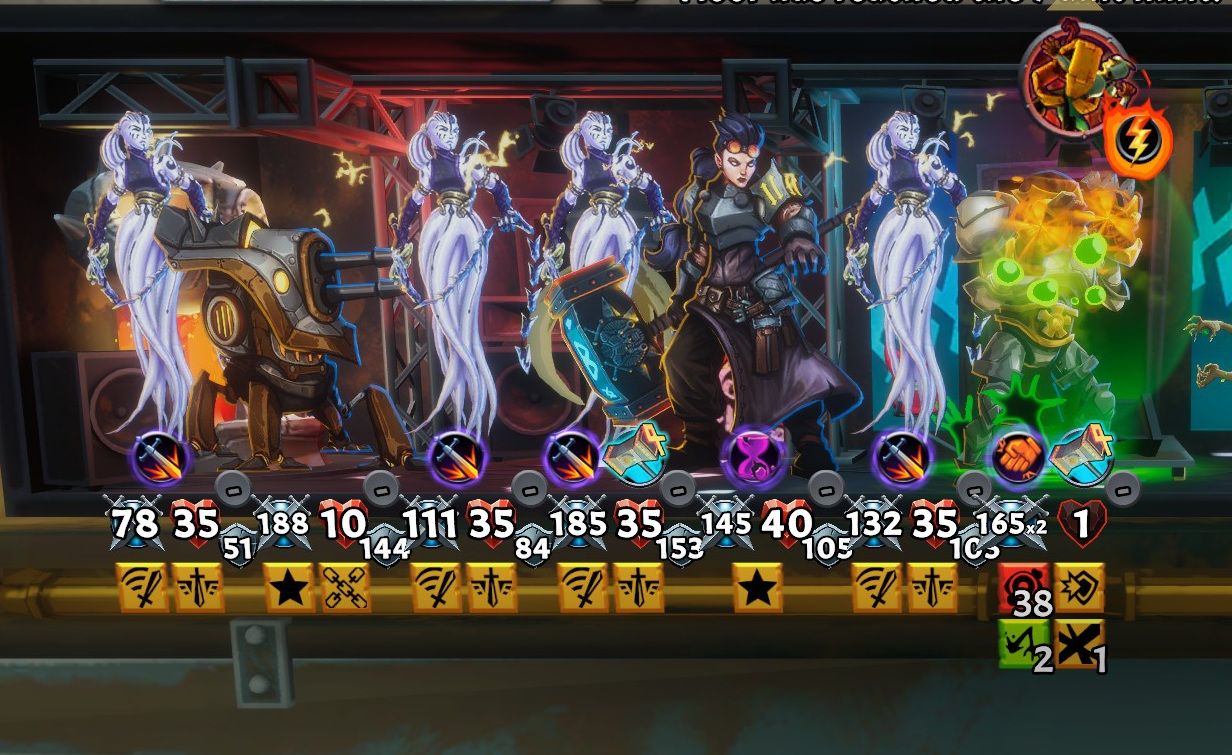
But the true test of Destiny of the Railforged lies in Soul Savior, a mode that strips away comfort and replaces it with relentless pressure. Players begin with up to three souls, powerful buffs that feel like unlockable cheat codes—until the enemies adapt. Ghastbud slaps Titanite, damage shields, and energy reductions onto a unit, while Metamind transforms spells into gigaspells by adding upgrade slots with each cast. The catch? Enemies in Soul Savior aren’t just tougher—they’re smart. Basic foes pack burst multistrike, forcing players to dispatch them before they overwhelm the pyre. Bosses hit triple-digit attack values, some with trample or floor capacity reduction, ensuring that every encounter demands precision rather than brute force. The Mother’s Zephyrite enemy, in particular, is a masterclass in psychological warfare—it gains burst damage when it moves, slays for armor, and lingers longer if it kills one of your units. It’s the kind of challenge that doesn’t just test skill but patience and adaptability.
For $10, Destiny of the Railforged delivers more than just new content—it delivers a new identity for Monster Train 2*. Whether you’re smelting blight into strategic advantages, outmaneuvering enemies with the Steel Pulley Claw, or unlocking soul-powered progression in Soul Savior, this expansion ensures the game remains one of the most rewarding deckbuilders available. And with the Railforged’s spider factory champion now in rotation, there’s never been a better time to board the train—again.
The DLC’s brilliance lies in its refusal to pad the experience. Every card, mechanic, and mode feels essential, designed to deepen the game rather than extend it. Railforged isn’t just another clan; it’s a paradigm shift. Soul Savior isn’t just a difficulty spike; it’s a meta-progression system. And the Steel Pulley Claw isn’t just a gimmick; it’s a game-changer. In an era where expansions often feel like afterthoughts, *Destiny of the Railforged stands out as a testament to what thoughtful design can achieve.
For players who thought they’d mastered Monster Train 2*, this DLC is a humbling reminder that the game is far from finished. It’s a challenge to return, rethink, and rediscover why *Monster Train 2 remains a standout in the deckbuilder genre. And at $10, it’s a challenge worth taking on.