Playground Games’ journey from a niche racing specialist to the studio behind Microsoft’s next AAA fantasy blockbuster began with a quiet internal debate in 2017—long before the first trailer for Fable dropped. At the time, the Leamington Spa-based team had just delivered what many considered their magnum opus: Forza Horizon 3, a title that outperformed expectations across nearly every metric. The game’s success wasn’t just financial; it proved the studio’s ability to refine open-world design, streaming technology, and large-scale player engagement—skills honed over a decade in the racing genre.
The question that followed was simple: *What next?*
According to the studio’s general manager, Ralph Fulton, the conversation about expanding beyond Forza Horizon emerged almost immediately after the game’s late-2016 release. The team wasn’t just satisfied; they were hungry to test their capabilities in uncharted territory. We felt our strengths were in open-world systems—design, tech, and the kind of dynamic experiences that kept players immersed, he explained in a recent discussion with industry outlets. But we also knew we couldn’t just iterate on the same formula forever.
The idea of a second team wasn’t just about diversification—it was a strategic pivot. Playground Games, founded by veterans from Codemasters and Criterion Games, had built its reputation on precision handling of high-speed racing. Yet by 2017, the studio was already operating under Microsoft’s umbrella, having been acquired in 2010 when the Forza franchise was spun off from Turn 10. That relationship would later shape the studio’s future, but in 2017, the focus was internal: *Could they succeed outside their core competency?*
The Fable Gambit
The answer came unexpectedly. While brainstorming possibilities, the dormant Fable IP surfaced in discussions—an intellectual property Microsoft had inherited from Lionhead Studios, shuttered in 2016 after years of turmoil. The original trilogy, led by Peter Molyneux, had defined an era of fantasy RPGs, but its abrupt cancellation left a void. For Playground Games, however, Fable represented more than nostalgia. It was a chance to apply their open-world expertise to a genre they admired but had never explored.
Fulton recalled the moment the idea took hold: As soon as someone mentioned Fable, I was sold. We’d grown up playing those games. The blend of comedy, player choice, and world-reactivity was something we’d only dreamed of replicating. The decision wasn’t just creative—it was logistical. The studio’s open-world engine, battle-tested in Forza Horizon, could theoretically support a fantasy setting. More importantly, Fable’s legacy provided a built-in audience, albeit one that hadn’t seen a new entry in over a decade.
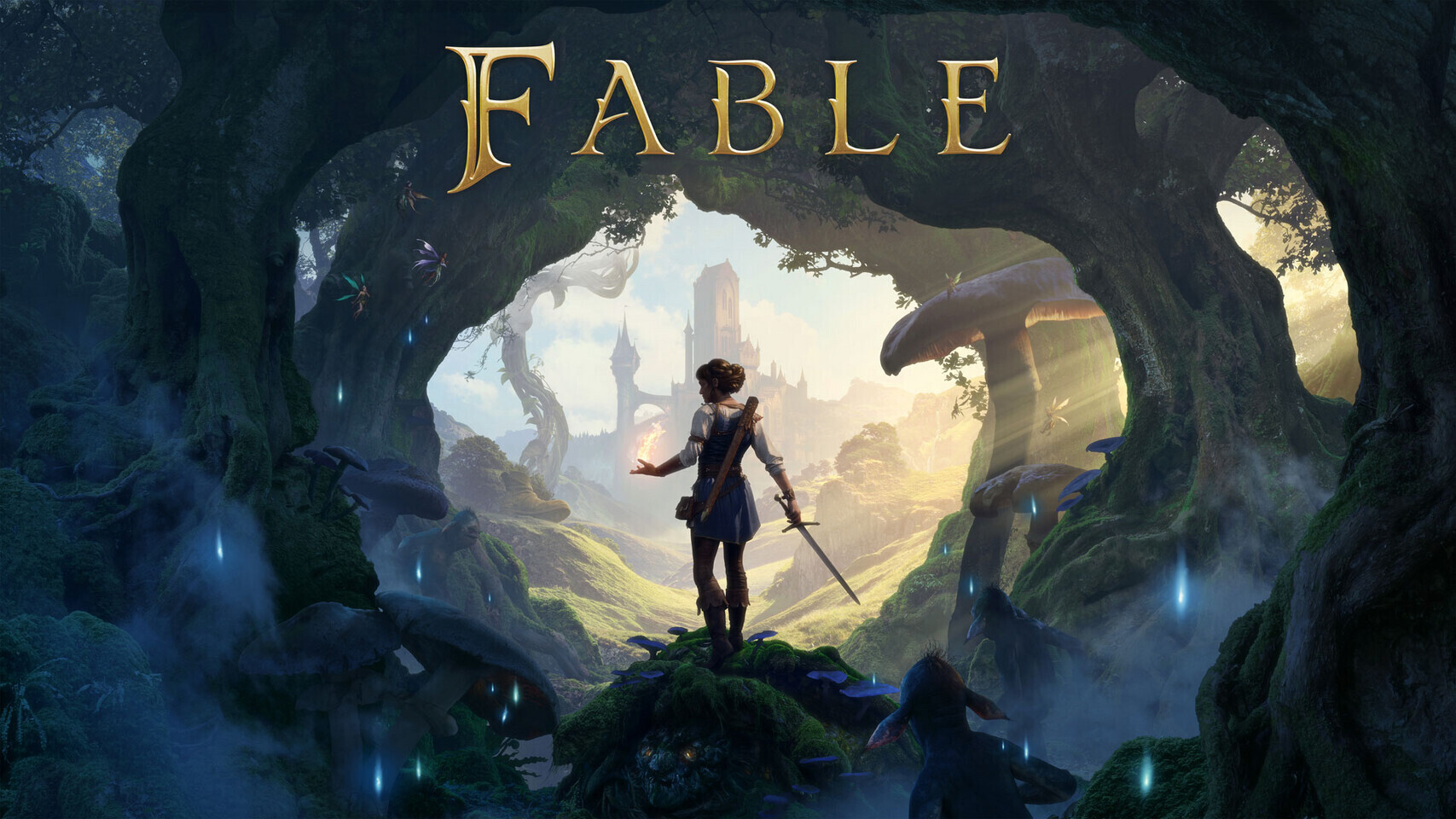
Yet the path wasn’t straightforward. Microsoft’s 2016 shutdown of Lionhead had left Fable’s assets scattered, and the IP’s future was uncertain. By the time Playground Games committed to the project, the studio was no longer independent—Microsoft’s acquisition of Activision Blizzard and Bethesda in the early 2020s had reshaped the landscape. Phil Spencer’s later admission that Lionhead’s closure was a major mistake only reinforced the stakes. Reviving Fable wasn’t just about creativity; it was about reclaiming a franchise that had defined an era.
A Second Act for Open-World Design
The shift from racing to fantasy required more than a change of setting. Playground Games had to rethink nearly every system in their toolkit. While Forza Horizon thrived on physics-driven driving and sprawling road networks, Fable demanded dynamic NPCs, moral choices, and a world that reacted in real-time to player actions—elements Lionhead had pioneered but never fully scaled.
We knew we couldn’t just slap an open world on top of a traditional RPG, Fulton noted. The challenge was making sure the comedy, the player agency, and the environmental storytelling felt as immediate as a racing game’s physics. The result, teased in recent developer showcases, appears to blend Forza Horizon’s technical polish with Fable’s signature wit—a hybrid approach that leverages Playground’s strengths while honoring the original’s spirit.
Today, Fable stands as a testament to that 2017 bet. The game’s upcoming release across PC, Xbox Series X|S, and PlayStation 5 marks the culmination of years of behind-the-scenes work, but its origins lie in a single, pivotal question: *What if we tried something else?* For Playground Games, the answer wasn’t just a new IP—it was a reinvention.
The studio’s future remains tied to Microsoft’s first-party ecosystem, but the lessons from Fable’s development could reshape how Playground approaches future projects. Whether racing or fantasy, the focus is clear: pushing the boundaries of what an open world can be.