Intel’s Arc Alchemist GPUs—including the DG2 discrete cards and integrated graphics in Meteor Lake processors—have received a significant overhaul in the latest Mesa 26.1 Linux driver release. Beyond fixing critical stability flaws, the update has unlocked performance improvements so substantial they could redefine expectations for Intel’s open-source graphics stack.
The changes stem from 18 patches merged by Francisco Jerez, a key developer in Intel’s open-source graphics team. For months, users had reported persistent visual artifacts and rendering errors, particularly in demanding applications. These issues, now addressed, required an intricate four-month development effort to resolve without introducing new instability.
Why This Matters for Linux Gamers
The most striking outcome? In one test scenario—NBA 2K23 running at 4K with DirectX 11 and maximum settings—the updated driver delivered a 260% frame-rate increase compared to previous versions. That translates from roughly 30 frames per second to nearly 100, a leap that could make the difference between playable and unplayable performance in competitive titles.
However, this benchmark represents just one game trace. While the improvements are promising, broader testing is needed to determine whether similar gains apply across other DirectX 11 and Vulkan-based games. The optimizations are specific to Linux systems using Mesa; Windows users remain unaffected for now.
What’s Fixed—and What’s Next
The update targets two core areas
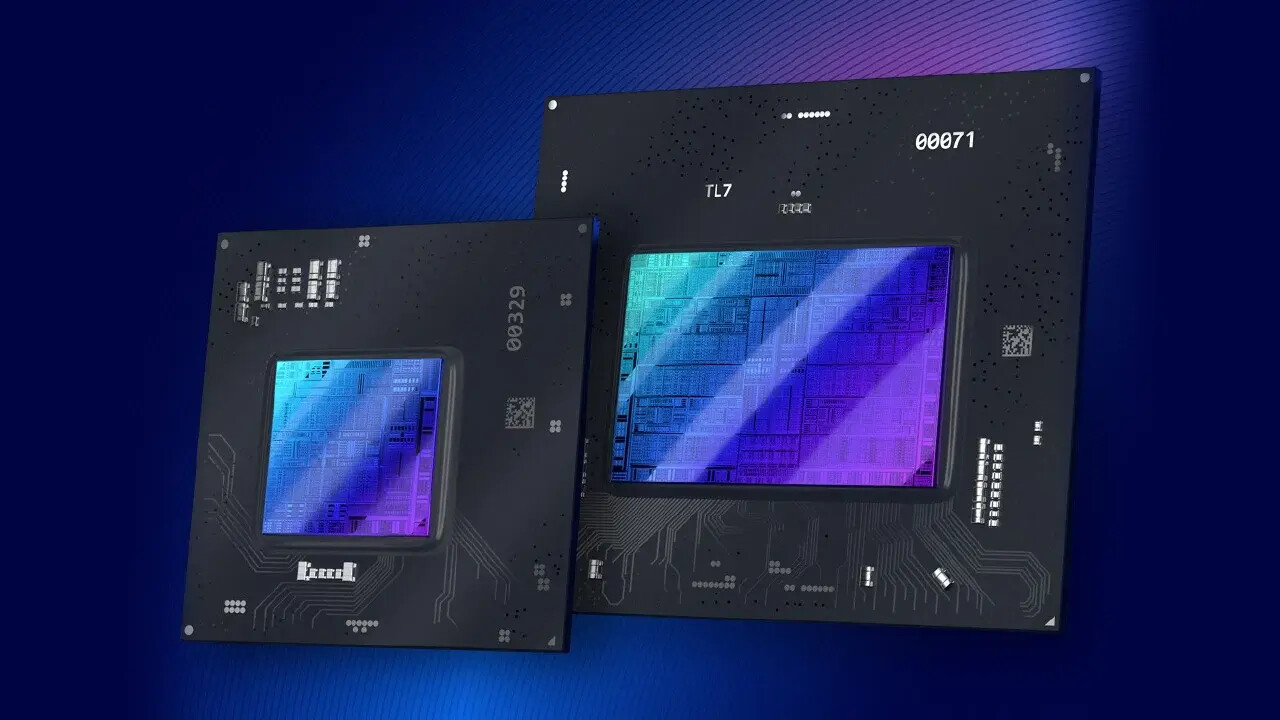
- Stability: Visual corruption and rendering artifacts that plagued Alchemist GPUs—both in dedicated graphics cards and Meteor Lake’s integrated graphics—have been eliminated. This was a long-standing pain point for users relying on Intel’s newer hardware for Linux desktops.
- Performance: Beyond the 260% jump in NBA 2K23, the underlying optimizations suggest deeper efficiency gains in memory management and shader processing. Early indications point to smoother gameplay in other DirectX 11 titles, though Vulkan-based applications may see more modest improvements.
Intel’s commitment to refining its older GPU generations—like Alchemist, first announced in 2022—highlights a shift toward long-term driver maturity. While Windows support remains untested, the Linux improvements alone could sway users who previously dismissed Intel’s discrete graphics as viable options for high-performance workloads.
A Glimpse at Broader Implications
This update arrives at a pivotal moment for Intel’s graphics division. The company has faced scrutiny over its competitive positioning against AMD and NVIDIA, particularly in gaming. The Arc Alchemist lineup, though initially met with skepticism, now shows signs of catching up—at least in Linux environments.
For context, the Arc B770 Battlemage GPU, part of the Alchemist family, was recently priced at $349, positioning it as a budget-friendly alternative for entry-level workstations. Meanwhile, the Core Ultra 300 series—featuring integrated graphics—continues to push boundaries in efficiency, as seen in recent benchmarks where Intel’s iGPU outperformed AMD’s Strix Point in titles like Cyberpunk 2077.
The Linux driver update doesn’t just fix bugs—it signals a broader strategy to stabilize and optimize Intel’s graphics stack. Whether these gains translate to Windows remains an open question, but for Linux users, the news is a game-changer.
- The Mesa 26.1 driver update resolves long-standing visual corruption issues in Arc Alchemist GPUs on Linux.
- Performance in NBA 2K23 at 4K improved by 260%, though broader game testing is pending.
- Optimizations are Linux-specific; Windows users are not yet impacted.
- Intel’s focus on older GPU generations suggests a long-term push for driver stability and efficiency.