Intel's latest Core Ultra 18A processors, codenamed Panther Lake, are now available for business-focused PCs, signaling a shift in the company's strategy to prioritize enterprise adoption. While details on exact timing remain under wraps, the move suggests that IT teams may see an influx of new hardware options in the coming months.
The Core Ultra 18A series is built on the 18A process node, which Intel has touted as a significant leap forward in power efficiency and performance. This iteration is designed to address the needs of business users, offering features that could streamline IT management while delivering noticeable improvements in daily tasks.
Design and Build
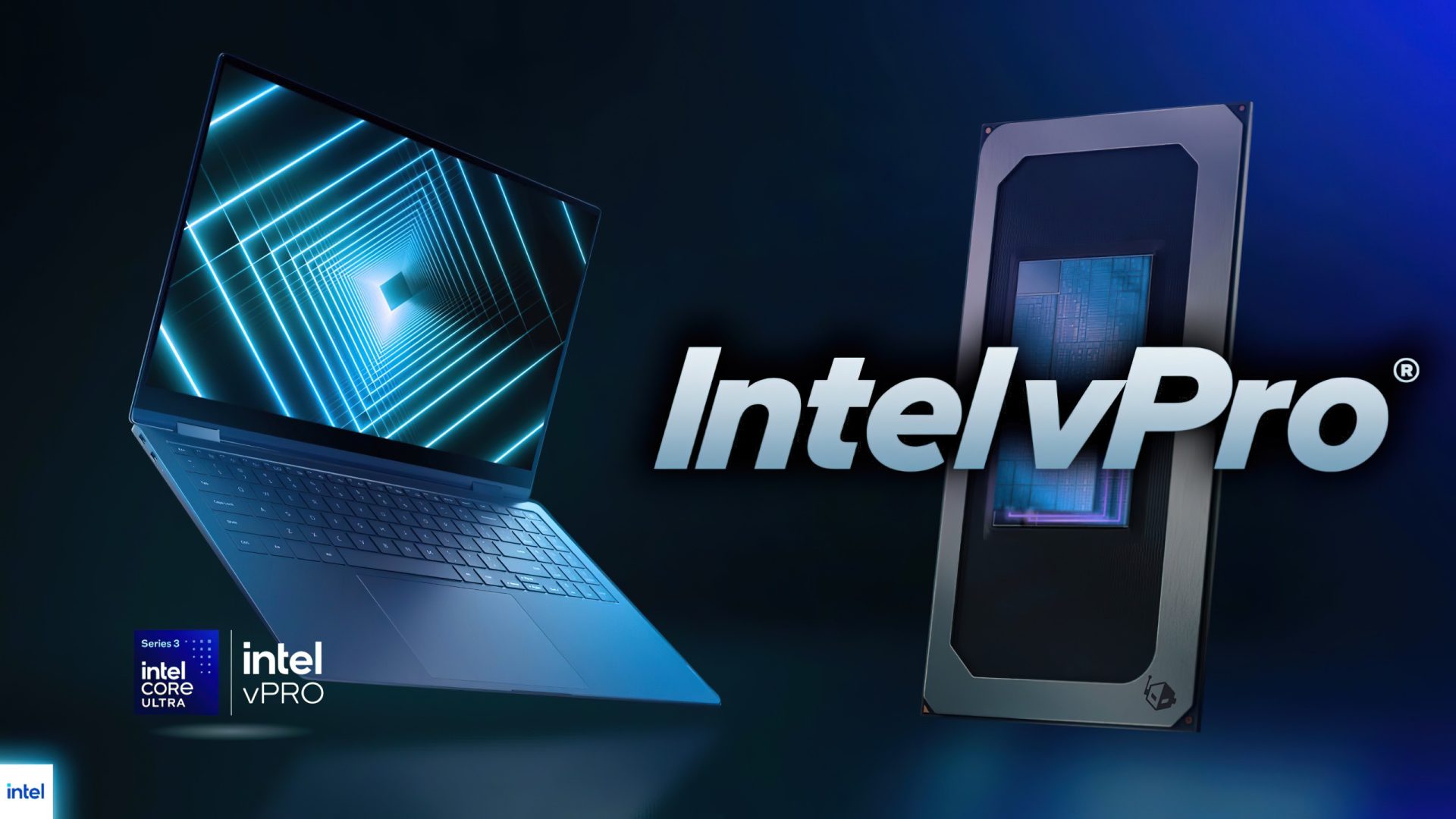
The Panther Lake chips are part of Intel's broader effort to modernize its processor lineup for business environments. The design focuses on integrating advanced security measures and manageability tools, which are critical for enterprise deployments. These processors are expected to work seamlessly with existing Intel vPro platforms, ensuring that IT teams can leverage familiar management frameworks without disruption.
Hardware Changes
The Core Ultra 18A series introduces several hardware changes that could reshape the landscape for business PCs. One notable shift is the inclusion of more integrated AI capabilities, which Intel believes will enhance productivity and security features. Additionally, the processors are optimized to work with newer memory and storage standards, potentially pushing IT teams to consider upgrades in these areas as well.
- Display: Supports 4K resolution at 60Hz
- Chip: Intel Core Ultra 18A (Panther Lake)
- Memory: Up to 128GB LPDDR5X
- Storage: Up to 4TB PCIe 4.0 SSD support
- Cameras: Dual 13MP cameras with advanced image signal processing (ISP)
- Connectivity: Wi-Fi 6E, Bluetooth 5.2, Thunderbolt 4
- Ports: USB-C (Thunderbolt 4), USB-A, HDMI 2.1, microSD card reader
- Pricing: Not confirmed yet
The Core Ultra 18A series is designed to cater to a wide range of business needs, from mobile workstations to high-performance desktops. The integrated AI capabilities could be particularly appealing for IT teams looking to enhance security and productivity without relying solely on external hardware. However, the requirement for newer memory and storage standards may present challenges for some organizations still using older infrastructure.
Looking ahead, Intel's focus on enterprise adoption suggests that the Panther Lake chips will play a significant role in shaping the future of business PCs. IT teams should keep an eye out for updates on compatibility and performance benchmarks to make informed decisions about upgrades. While pricing details are still under wraps, the potential benefits could justify the investment for those ready to transition to the latest hardware.