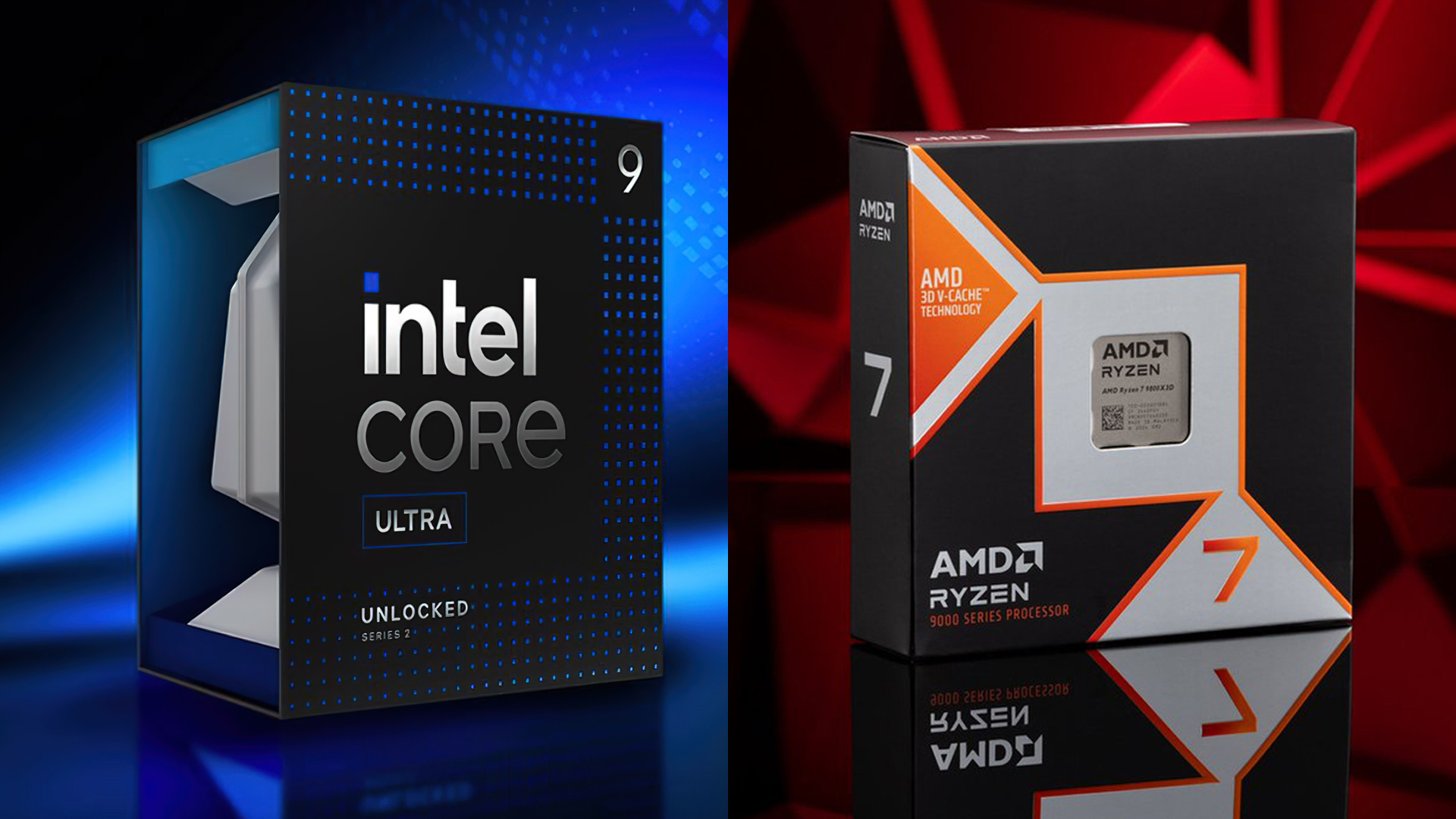
When it comes to high-end desktop CPUs, reliability has become a defining factor for buyers—especially after years of anecdotal reports about AMD’s Ryzen X3D chips failing at alarming rates. New data from Puget Systems, however, paints a more nuanced picture: the latest processors from both Intel and AMD are statistically neck-and-neck in terms of failure rates, with neither brand holding a clear advantage.
The findings challenge the perception that Ryzen X3D CPUs are inherently flawed. Over the past year, Puget Systems tracked failure rates across its in-house builds and customer systems, uncovering that both the Intel Core Ultra 200 series and AMD’s Ryzen 9000 series landed at roughly 2.5%—Intel at 2.49% and AMD at 2.52%. This suggests that, for the average user, the choice between the two architectures may hinge more on performance, pricing, or platform compatibility than reliability.
Yet the data also reveals a critical distinction within AMD’s lineup. The Ryzen X3D chips, which include the Ryzen 9800X3D and Ryzen 9850X3D, showed a significantly lower failure rate (1.51%) compared to their non-X3D counterparts like the Ryzen 5 9600X and Ryzen 9600X. This could reflect either better manufacturing yields for the X3D process or simply higher adoption rates driving more reported issues.
On Intel’s side, the Core Ultra 7 265K emerged as the standout performer, with a failure rate of just 0.77%—far below the series average. Whether this is due to design refinements, better thermal management, or sheer luck remains unclear, but it aligns with early sales trends where the 265K has outsold other Arrow Lake models.
Key specs and failure rates
- Intel Core Ultra 200 Series: Overall failure rate 2.49% (Core Ultra 7 265K at 0.77%).
- AMD Ryzen 9000 Series: Overall failure rate 2.52% (X3D chips at 1.51%, non-X3D higher).
- Notable models: Ryzen 9800X3D, Ryzen 9850X3D, Ryzen 5 9600X, Ryzen 9600X, Core Ultra 9 290K.
The takeaway for consumers is clear: while Ryzen X3D chips have faced scrutiny, their failure rates are now statistically comparable to Intel’s offerings. However, the gap between X3D and non-X3D Ryzen CPUs remains a concern, particularly for budget builds where reliability is non-negotiable. For those prioritizing longevity, the Core Ultra 7 265K stands out as the safest bet among the latest chips—though real-world durability will always depend on factors beyond lab data, such as cooling solutions and motherboard compatibility.
Availability and pricing for these processors vary by retailer, with some bundles—like the recently spotted Ryzen 9850X3D + X870 motherboard + 32 GB RAM—priced at $699. Intel’s Ultra series and AMD’s Ryzen 9000 lineup remain widely available, though stock levels fluctuate based on demand.