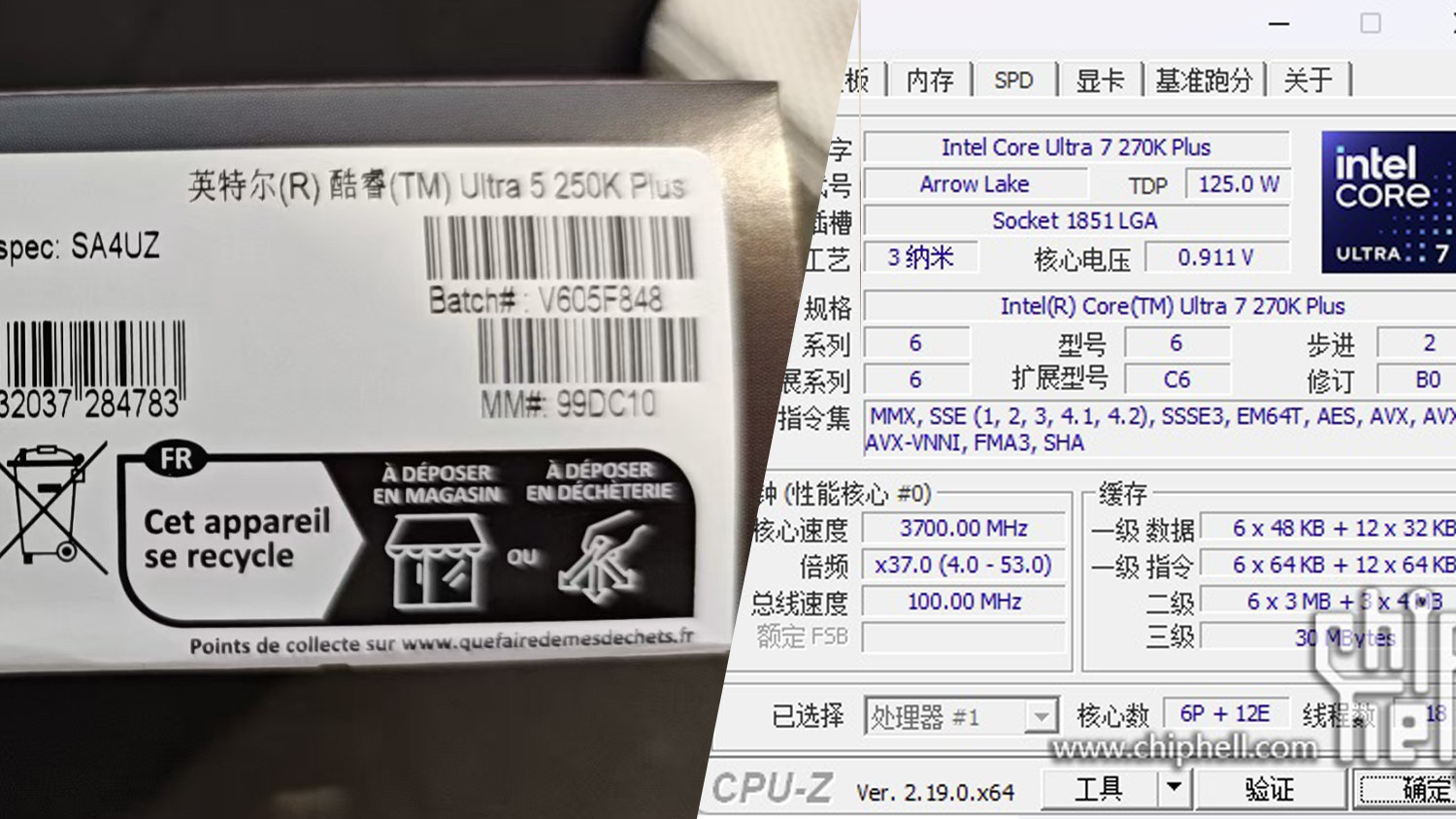
The Intel Core Ultra 5 250K Plus is causing confusion among users after it was mistakenly identified as the more powerful Core Ultra 7 270K Plus in both CPU-Z and Windows. This discrepancy raises questions about how software tools recognize and label Intel's latest processors, potentially affecting performance expectations and upgrade decisions.
While the Core Ultra 5 250K Plus is designed for mid-range devices with a base clock of 1.6 GHz and up to 3.8 GHz in turbo mode, it shares architectural similarities with the higher-end model. The misidentification suggests that software may not yet be fully calibrated to distinguish between the two chips, which could lead to incorrect benchmarking or system optimization.
Key Specifications
- Model: Intel Core Ultra 5 250K Plus (misidentified as Core Ultra 7 270K Plus)
- Architecture: Meteor Lake
- Cores/Threads: 8 cores / 16 threads
- Base Clock: 1.6 GHz, Turbo Boost up to 3.8 GHz
- Cache: 24 MB L3 cache
- TDP: 25 W (configurable)
The Core Ultra 5 250K Plus is intended for budget-friendly laptops and devices where power efficiency is critical. Its lower TDP of 25 W makes it suitable for thinner and lighter systems, but the misidentification could lead users to believe they have a more powerful chip than they actually do.
Performance Implications
For gamers or users expecting high-end performance, this mix-up could be particularly problematic. The Core Ultra 7 270K Plus is designed for premium devices with higher thermal budgets and more demanding workloads. If a user's system is misidentified, they may not achieve the expected performance in games or creative applications, leading to frustration.
Intel has not yet commented on this issue, but it highlights the challenges of software compatibility as new processor families are introduced. Users should verify their chip's identity using Intel's official tools or hardware diagnostics to avoid confusion.
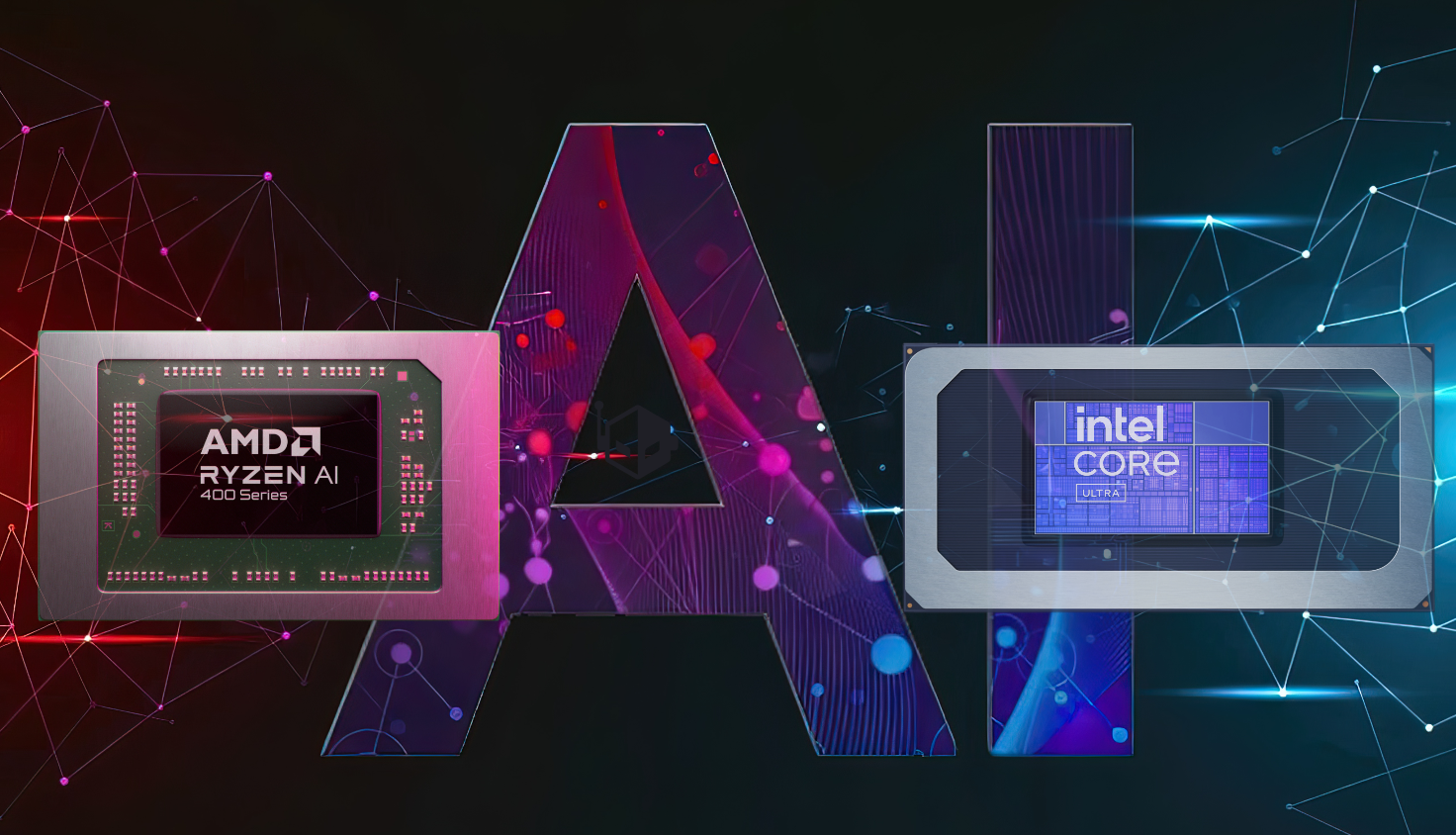
The broader trend of AI-driven efficiency in processors means that even mid-range chips like the Core Ultra 5 250K Plus are packing advanced features, but proper identification remains crucial for accurate benchmarking and optimization. This incident serves as a reminder to double-check system specifications before making upgrade decisions.