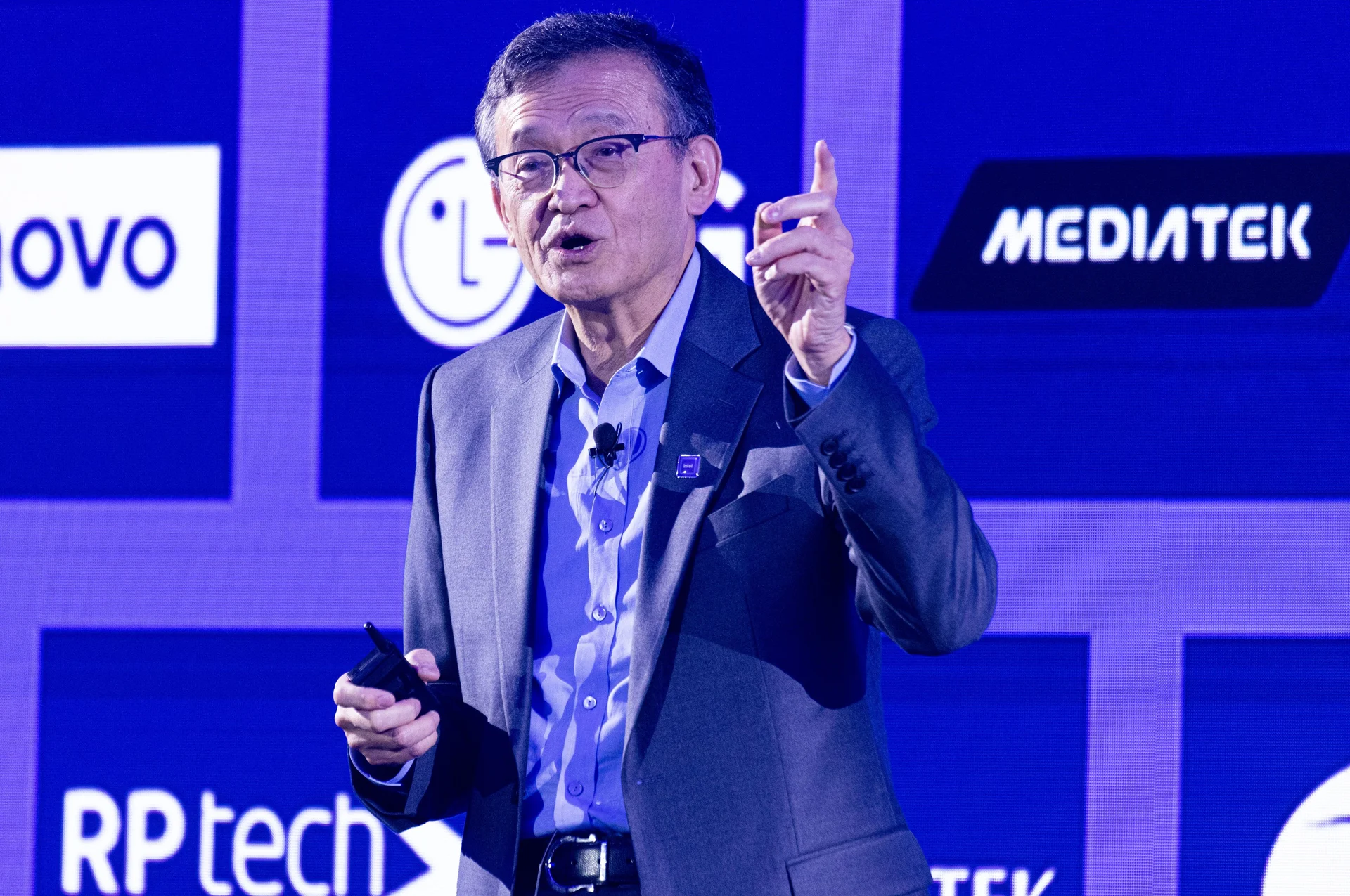
Intel’s GPU ambitions are no longer a speculative footnote in the tech industry’s playbook. In a rare public affirmation of its long-term strategy, CEO Lip-Bu Tan has explicitly stated that the company will continue building GPUs in-house, with no plans to outsource development or abandon the market entirely. This marks a turning point for a division that has struggled to compete in both consumer and AI-focused segments, where NVIDIA and AMD have long dominated.
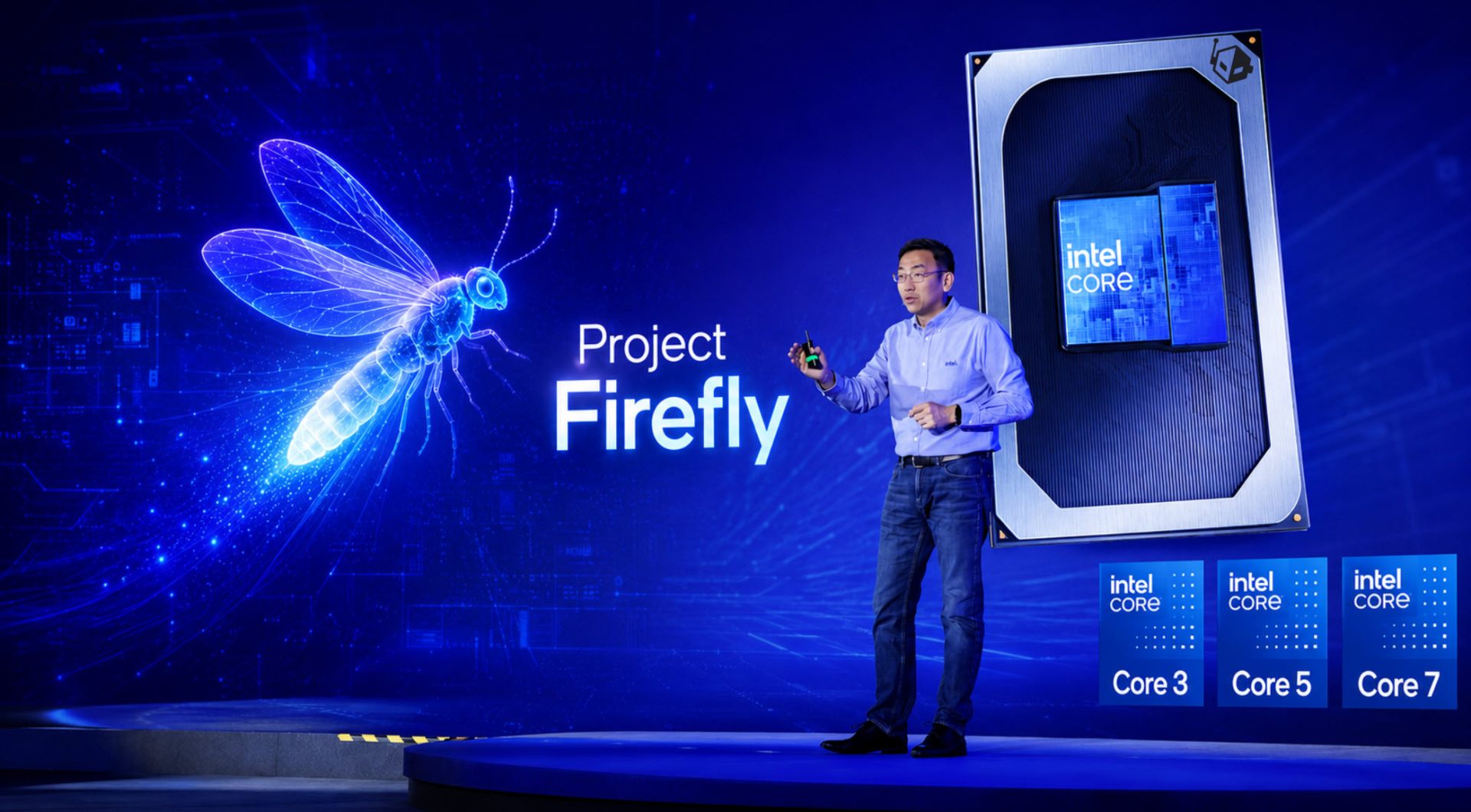
Tan’s , delivered at the Cisco AI summit, came in response to questions about Intel’s ability to scale GPU production internally. The CEO emphasized that the company’s recent hiring spree—including the recruitment of Eric Demers, a former Qualcomm and AMD GPU architect—is directly tied to reviving Intel’s graphics roadmap. Demers, who joins as a senior executive, brings decades of experience in GPU architecture, a critical hire given Intel’s past stumbles in delivering competitive discrete GPUs.
The GPU Strategy: Internal Development and Scaling
Intel’s approach to GPUs has historically been fragmented, with consumer launches like the Arc B390 (part of the Xe3 ‘Celestial’ iGPU line) achieving modest success but failing to match the performance or market penetration of competitors. The Battlemage series, introduced in late 2024, and its Pro variants launched in the second half of 2025, were seen as tentative steps—but Tan’s remarks suggest a more aggressive stance. The CEO confirmed that Intel’s foundry division will play a central role in scaling GPU production, a move that could address one of the biggest hurdles for the company: manufacturing efficiency.
Tan’s vision extends beyond consumer graphics. Intel’s AI accelerator roadmap, though still unclear in execution, includes projects like Crescent Island (an inference-focused GPU) and Jaguar Shores, a next-generation architecture aimed at high-performance computing. However, the lack of concrete timelines or performance benchmarks has left industry observers skeptical. If Intel is to compete in AI, it must deliver on both technical prowess and cost-effective scaling—a challenge even NVIDIA and AMD face as the market evolves.
Consumer GPUs: A Mixed Bag with Room for Growth
On the consumer front, Intel’s Arc GPUs have carved out a niche, particularly in budget segments. The Arc B580, for instance, has outsold both the Radeon RX 9070 and the RTX 5060 Ti in some regions, a rare win for Intel in a market where AMD and NVIDIA hold the majority share. Yet, the absence of a Battlemage B770 launch—once anticipated for early 2026—has fueled speculation about Intel’s priorities. Rumors persist that the B770 may never materialize, leaving the Arc B70 (powered by the BMG-G31 chip) as the closest high-end offering.
The stakes are high. Intel’s ability to execute on a clear, annual product cadence—something the company announced at its recent Tech Tour—will determine whether its GPU division can transition from underdog to contender. For now, the focus remains on internal development, with Tan stressing that Intel will not rely on external partners for core GPU design. Whether this strategy translates into market leadership remains to be seen, but the message from the top is unambiguous: Intel is doubling down.
What’s Next for Intel GPUs?
For gamers and enterprise customers alike, Intel’s GPU future hinges on three key factors
- Execution: Can Intel deliver on its promises without repeating past missteps, such as delayed launches or underpowered hardware?
- Scalability: Will the foundry division successfully ramp up production to meet demand, particularly in AI and data center markets?
- Innovation: Can Intel differentiate its GPUs with unique features—such as improved ray tracing, better power efficiency, or AI-specific optimizations—to justify adoption?
The competition is fierce, but Intel’s recent moves suggest a company no longer content with playing second fiddle. If the internal development push, strategic hires, and foundry investments pay off, Intel could reshape the GPU landscape. If not, the company risks ceding ground to rivals who have already perfected the art of scaling and innovation.
The next few months will be telling. With Computex on the horizon, Intel may finally unveil long-awaited products like the Arc B770—or reveal a bold new direction. One thing is certain: the GPU wars are far from over, and Intel is back in the fight.