ARM’s latest AI-driven CPU has landed with a fanfare, but Intel is not convinced.
In an internal assessment, Intel executives describe the new chip as largely a repackaging of established technology under a fresh marketing banner. While ARM touts its AI capabilities—including support for advanced workloads and optimized neural networks—the actual performance gains remain unproven in real-world scenarios. For gamers and power users, this means the decision to upgrade hinges on whether the promised efficiency translates into tangible improvements.
Key specs include a 64-core CPU architecture with integrated AI accelerators designed for workloads like generative AI and real-time data processing. Pricing has not been confirmed, but industry sources suggest it will target high-end desktops and servers where power efficiency is critical. The chip’s clock speeds are estimated around 3.0 GHz, aligning with current high-performance benchmarks.
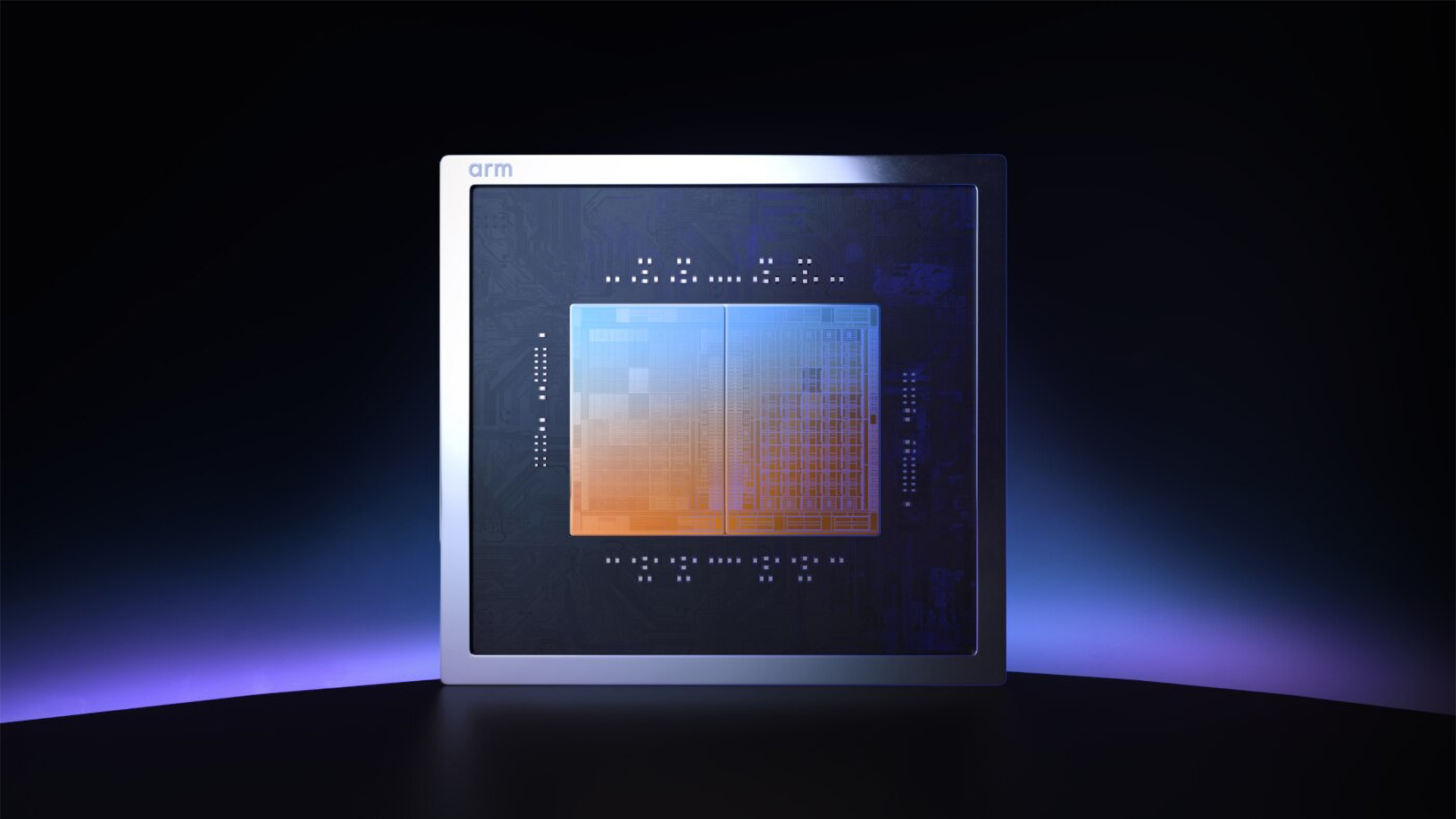
- AI Accelerators: Dedicated hardware for neural network tasks, aiming to reduce latency in AI workloads.
- Core Configuration: 64 cores, with a focus on parallel processing for multi-threaded applications.
- Power Efficiency: Targeted improvements of up to 30% compared to previous generations, though exact figures depend on workload.
The reality check is that while ARM’s AI push is ambitious, the lack of independent benchmarks leaves room for doubt. Intel’s stance suggests that existing x86 platforms may still hold an edge in raw performance, at least until ARM can demonstrate measurable gains beyond marketing claims.
For now, gamers and developers should treat this as a long-term play rather than an immediate upgrade trigger. The true test will be whether the AI optimizations deliver on their promises—or if they’re just another layer of hype in a crowded market. Without clear evidence of superiority, the status quo remains the safer bet.