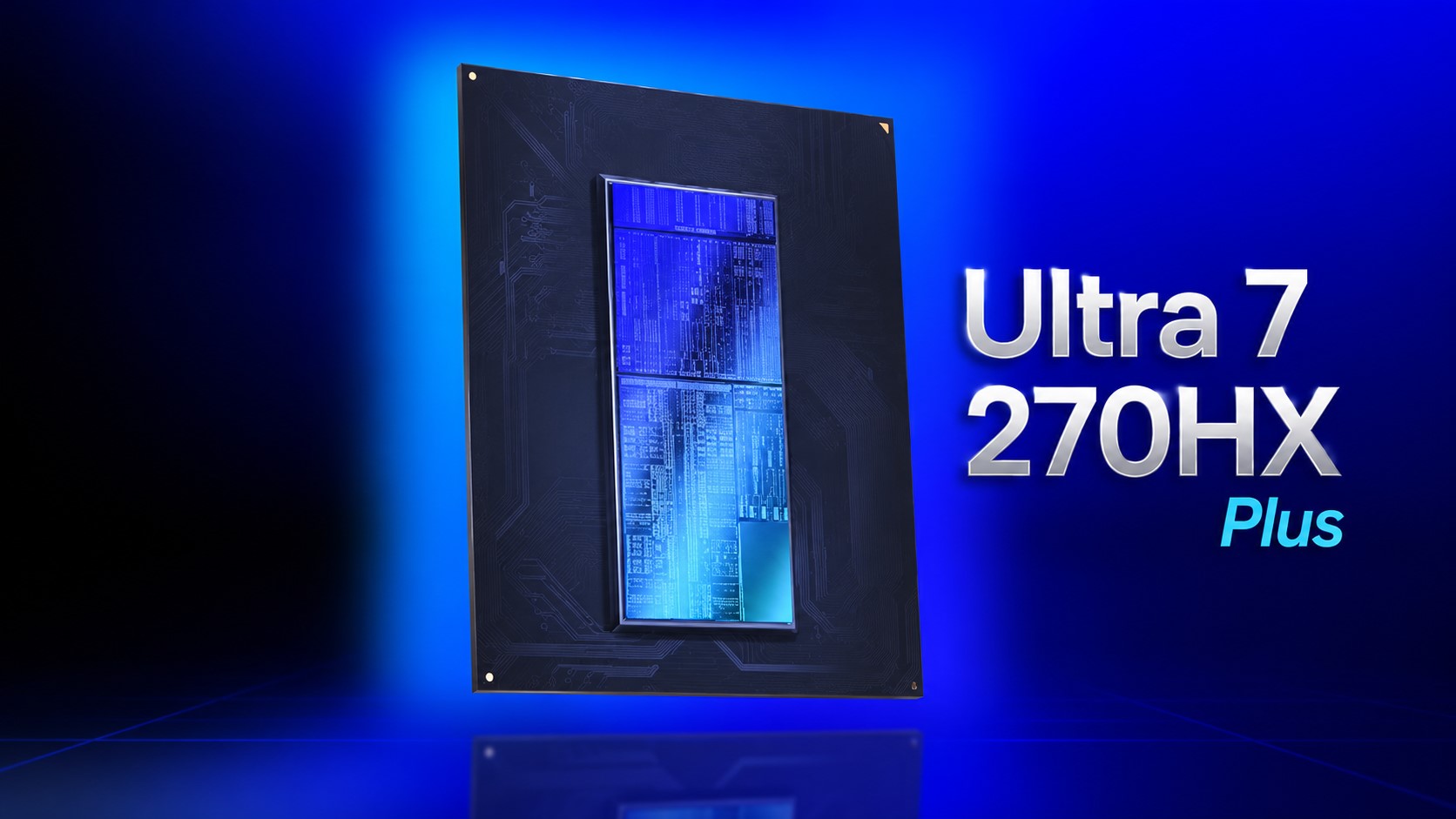
Intel has quietly made waves in the mobile CPU market with its Core i3-304T, which now matches Apple’s A18 Pro in single-thread efficiency on PassMark benchmarks—despite running one fewer core. This achievement underscores a growing trend where Windows-based processors are closing the performance gap with Apple's silicon, particularly in power-efficient computing.
The Core i3-304T is part of Intel’s latest mobile processor lineup, designed for ultra-thin and lightweight devices. It features 12 EU cores (8P+4E) running at a base clock of 2.6 GHz and a max turbo frequency of 5.0 GHz. While it lacks the 13-core configuration of Apple's A18 Pro, its single-thread performance is now on par with the industry benchmark, a feat that was previously rare for non-Apple chips.
This development matters most to power users who prioritize both performance and battery life. The Core i3-304T’s efficiency comes from Intel’s improved architecture, which balances compute density with thermal constraints—a critical factor in thin-and-light laptops. Compared to its predecessor, the Core i5-214T, the new chip offers a noticeable boost in sustained workloads while maintaining lower power consumption.
For buyers evaluating platforms, this benchmark serves as a turning point. Windows-based devices, long criticized for lagging behind Apple in efficiency, now offer a viable alternative for users who need high single-thread performance without sacrificing battery life. However, multi-threaded tasks remain a stronger suit for Apple’s silicon, where the A18 Pro still holds an edge due to its additional core.
The Core i3-304T is supported across a range of devices, including ultrabooks and 2-in-1s, with manufacturers expected to integrate it into upcoming models. While multi-core performance may not yet rival Apple’s offerings, this benchmark signals that Intel is prioritizing single-thread efficiency—a shift that could redefine expectations for Windows-based platforms in the coming year.