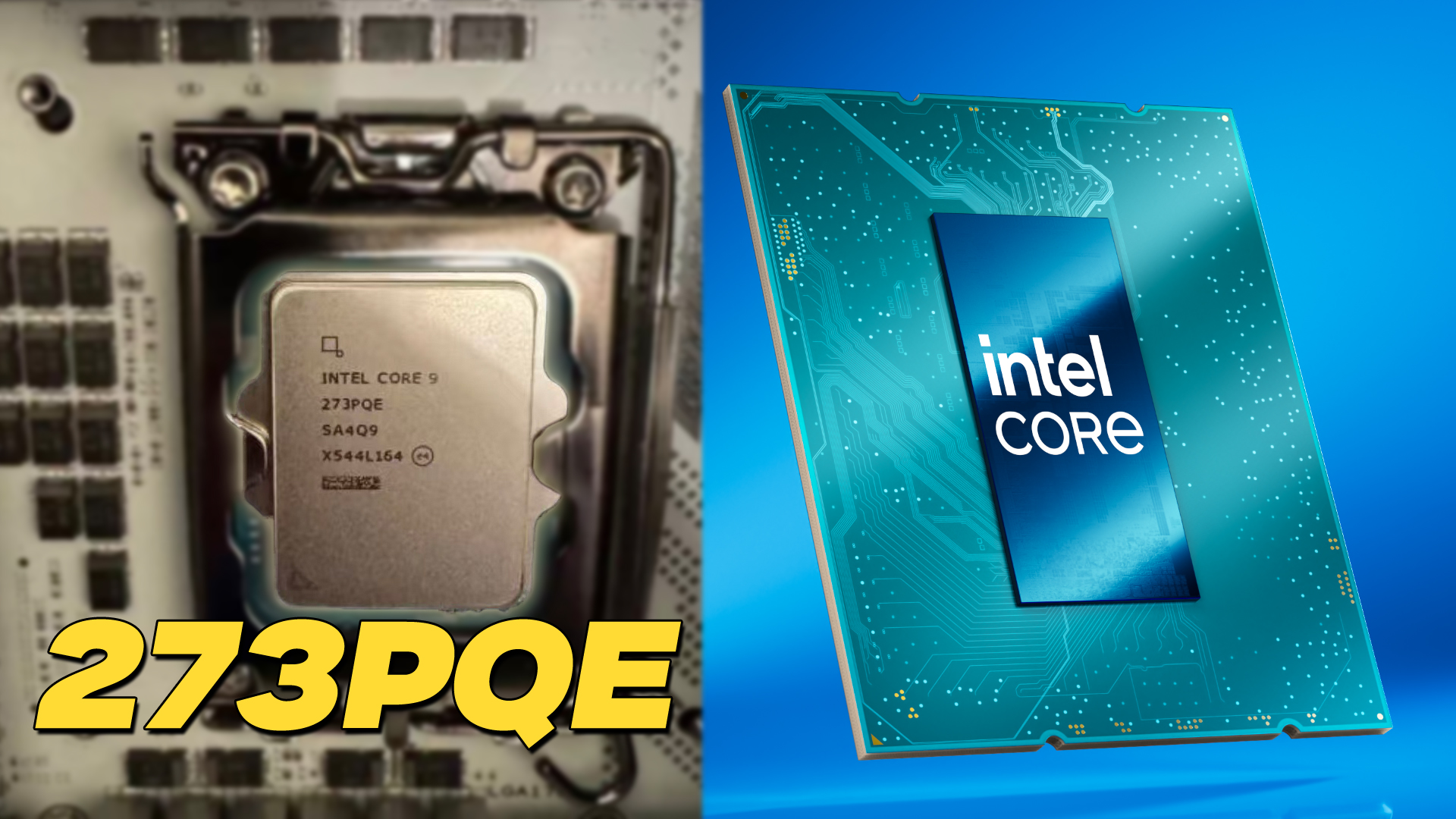
Intel's upcoming Core i9-273PQE is set to challenge the notion that gaming performance gains between CPU generations are often marginal. Benchmark data indicates it could outperform the current Core i9-14900K by up to 9% in gaming, a significant enough margin to prompt gamers to reconsider their upgrade timelines.
For those building or upgrading high-end gaming systems, the 273PQE represents more than just another incremental step. If this performance advantage holds across a range of games, users may find themselves waiting for the next generation's release, despite other factors like power consumption and thermal behavior that could complicate the decision.
Redefining Flagship Performance
The 273PQE marks a shift in Intel's approach to gaming CPUs with its 12-core, 24-thread configuration. Compared to the 8-core, 16-thread architecture of the 14900K, this expansion suggests a more aggressive focus on multi-threading for gaming workloads, where efficiency often trumps raw core count.
- Core i9-273PQE: 12 cores, 24 threads, up to 5.8 GHz single-thread clock
- Core i9-14900K: 8 cores, 16 threads, up to 5.8 GHz single-thread clock
While the performance difference may be immediately noticeable in frame rates and smoothness for demanding titles, the real question is whether this leap justifies waiting for the new generation. For those already invested in 14900K-based systems, upgrading won't be seamless; new motherboards and RAM compatibility could add complexity.
Where the Performance Matters
The reported 9% gain isn't universal. It's primarily tied to games that effectively leverage multi-threading, meaning older or less optimized titles may see minimal improvements. Additionally, Intel's focus on gaming performance doesn't address productivity workloads, where the 14900K remains competitive in rendering and content creation.
The tradeoff is clear: the 273PQE excels in raw gaming power but may not offer proportional gains elsewhere. For most buyers, the decision to upgrade will hinge on two key factors: how long Intel sustains price parity with the previous generation, and whether the performance delta translates to noticeable improvements beyond synthetic benchmarks.
A New Benchmark for Flagship Status
If the 273PQE lands at a premium or delivers diminishing returns in real-world scenarios, the Core i9-14900K could remain the practical choice for another cycle. However, if the performance advantage holds and price remains competitive, it could redefine what 'flagship' means for gaming CPUs.
For early adopters chasing peak performance, the 273PQE presents a compelling argument to hold off on upgrades. For others, the decision comes down to whether that 9% gain is worth the wait and potential inconveniences of upgrading.