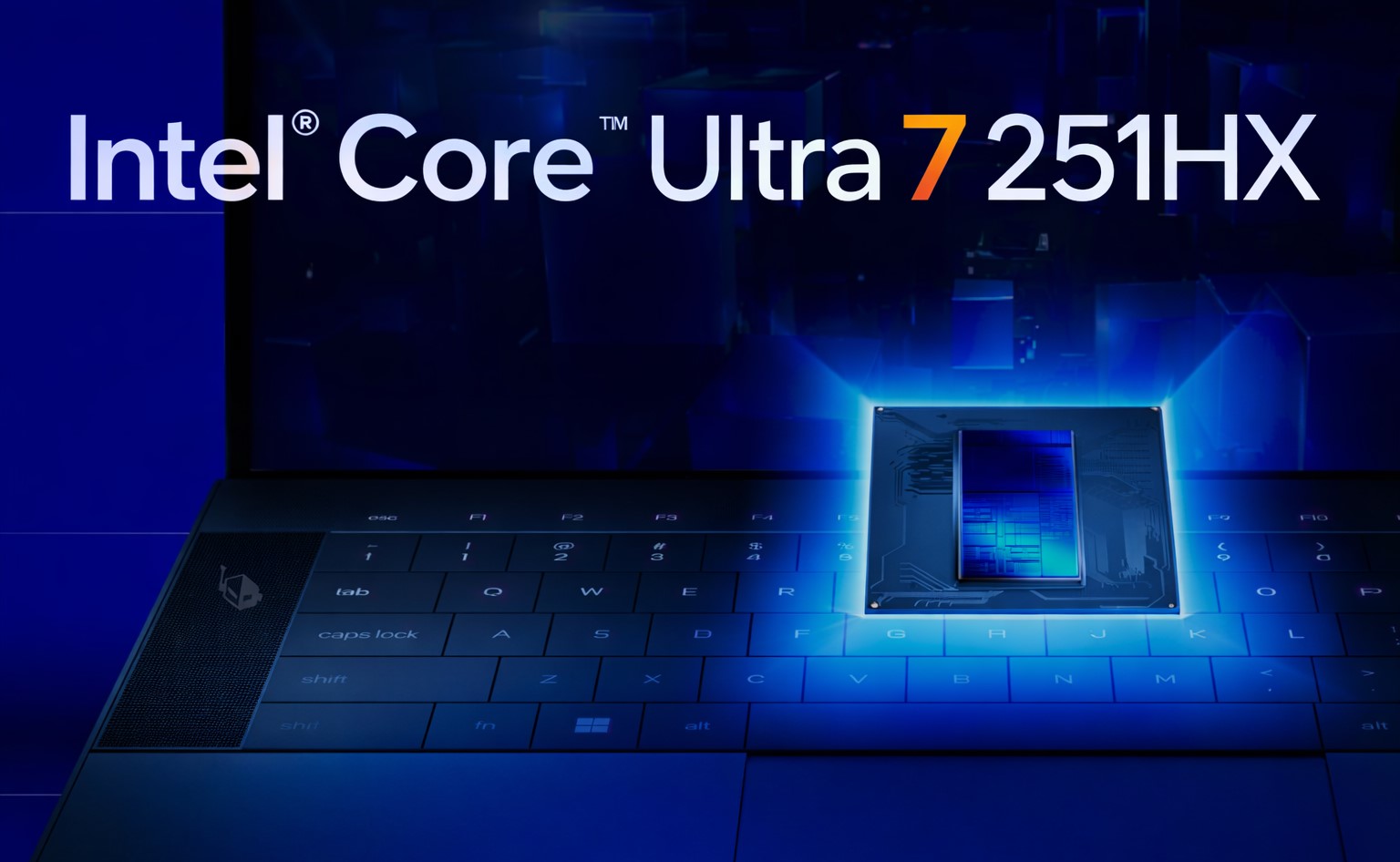
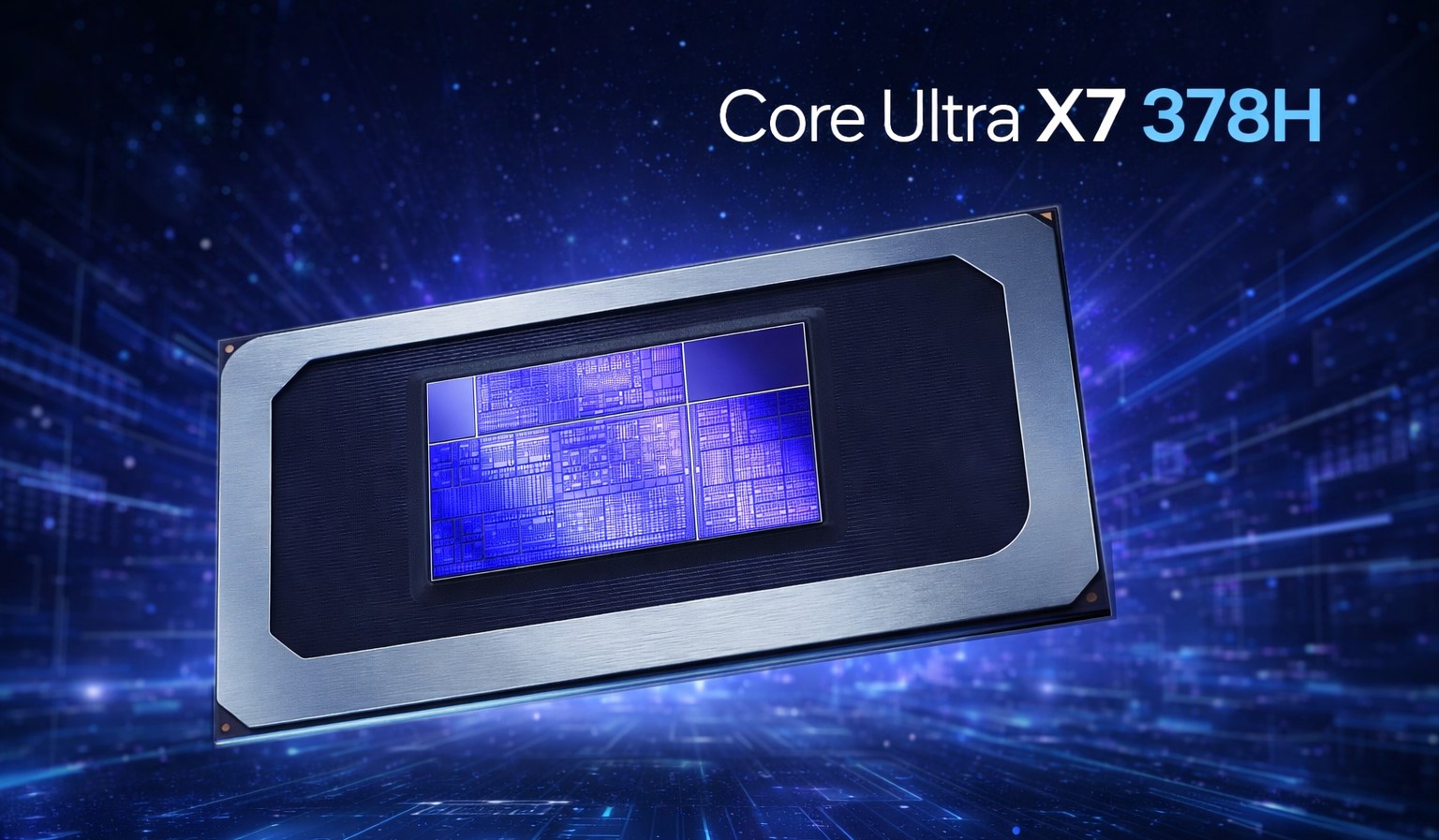
The Core Ultra X7 378H from Intel represents a quiet upgrade over its predecessor, the X7 368H. While the core specifications remain largely unchanged, under-the-hood adjustments promise to refine performance and efficiency for power users.
At first glance, the X7 378H looks identical to its predecessor. It maintains the same 12-core configuration with 8 Performance cores and 4 Efficiency cores, a base clock of 1.9 GHz, and a boost clock of up to 4.5 GHz across all cores. The integrated graphics remain unchanged, with Intel Arc graphics offering up to 64 execution units. However, the differences lie in finer details that could influence performance in demanding workloads.
- Chip Details:
- 12 cores (8 Performance + 4 Efficiency)
- Base clock: 1.9 GHz
- Boost clock: Up to 4.5 GHz
- Memory & Storage:
- DDR5 support (up to 5600 MHz)
- LPDDR5X support (up to 7200 MHz)
- Graphics: Intel Arc graphics with up to 64 EU
- TDP: 15W (configurable up to 35W)
The most notable change is the shift in power efficiency. The X7 378H introduces a more flexible TDP range, starting at 15W but scaling dynamically based on workload demands. This could translate to better thermal management and longer battery life for laptops equipped with this chip, though actual performance gains will depend heavily on how manufacturers implement cooling solutions.
A Subtle Shift in Focus
For creators, the X7 378H represents a quiet evolution rather than a revolutionary leap. The processor is designed to handle complex tasks—such as video rendering, 3D modeling, or high-resolution editing—with improved efficiency. However, those expecting dramatic performance jumps should temper their expectations; this is not a generational overhaul but a refined version of what already exists.
The X7 378H is likely to appear in premium laptops targeting professionals who prioritize both power and portability. Its ability to adapt to varying workloads without sacrificing performance makes it an attractive option for those who need reliability above all else. But whether this subtle upgrade justifies the potential price premium remains to be seen.
What’s Unclear—and What Matters
The full implications of these changes are still emerging, but one thing is clear: Intel is focusing on efficiency without sacrificing performance. For creators who rely on stable, high-end hardware, this could be a compelling choice—provided the price aligns with the value offered.
In the end, the X7 378H may not dazzle with flashy new features, but its quiet upgrades could make it a standout for those who demand precision and endurance in their workflow. Whether that translates to widespread adoption or niche appeal remains an open question.