Small businesses are increasingly turning to data center solutions that balance cost and efficiency without sacrificing performance. Intel’s recent earnings call underscored this trend, revealing new products designed to meet those demands head-on.
The tech giant’s emphasis on heat management—particularly in its Sapphire Rapids server chips—is a notable shift. These processors, built on the 3rd Gen Intel Xeon Scalable platform, deliver up to 4x better performance per watt compared to their predecessors. That’s the upside; the catch is that this efficiency comes with a premium price tag, one that small businesses must weigh against long-term savings.
Intel has long been a dominant player in data center infrastructure, but its recent moves suggest a more deliberate strategy. The company is pushing 100G Ethernet as a standard for next-generation networks, positioning itself to capture a larger share of the market before competitors can solidify their foothold. This isn’t just about raw speed—it’s about future-proofing infrastructure for businesses that can’t afford to upgrade too frequently.
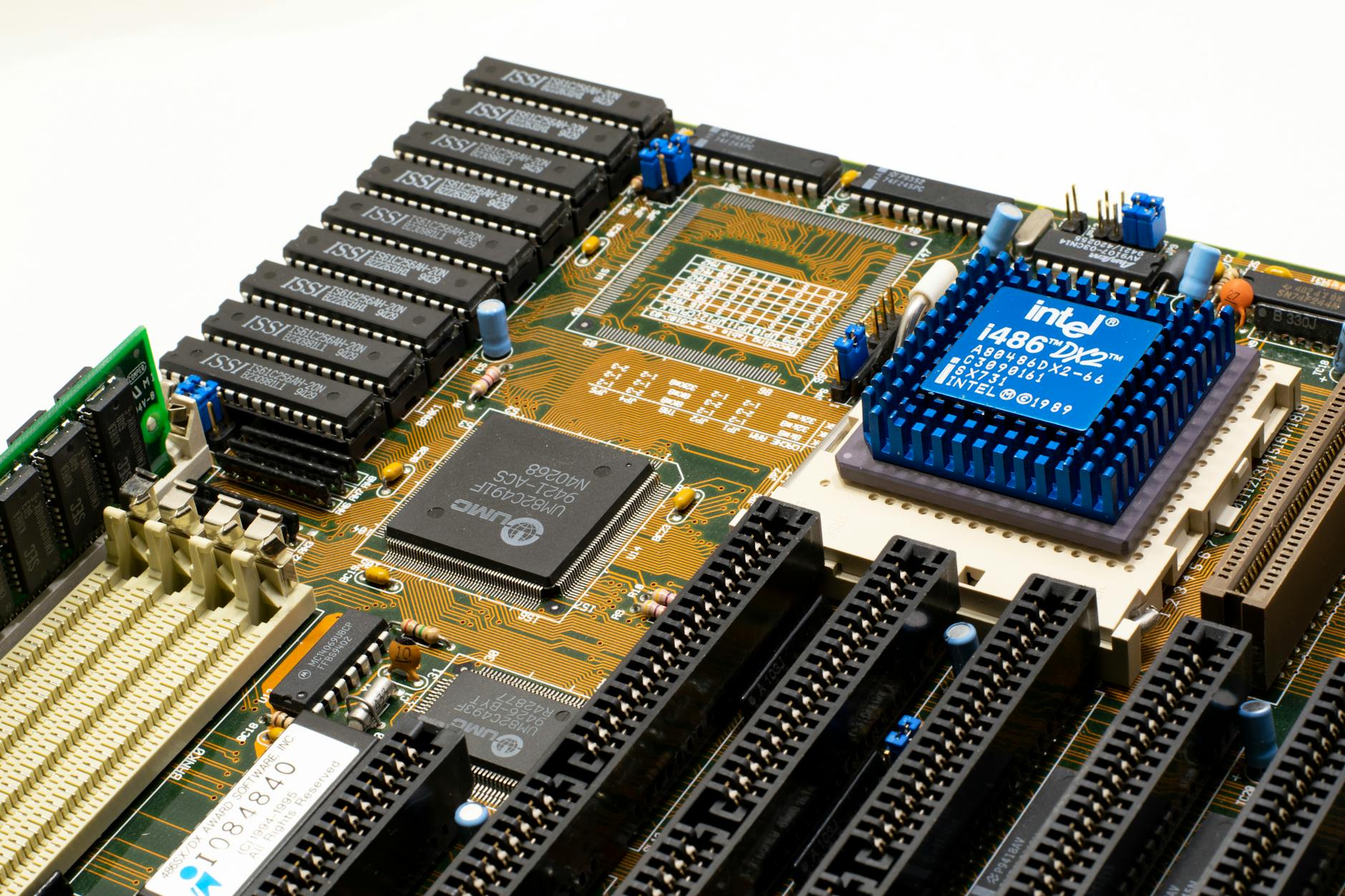
On the client side, Intel’s 14th Gen Core processors (codenamed Raptor Lake Refresh) bring incremental improvements over their predecessors. These chips, available in both desktop and laptop variants, offer modest gains in single-threaded performance—around 5-8% faster than the previous generation—but with a focus on power efficiency that could appeal to small offices and remote workers.
Heat remains a critical challenge for these new products. Intel’s Sapphire Rapids chips, for instance, generate significant thermal output, requiring advanced cooling solutions that may not yet be widely adopted. Meanwhile, the Raptor Lake Refresh series is designed to run cooler under load, addressing one of the biggest complaints from users of earlier generations.
For small businesses, the question isn’t just whether Intel’s new products are worth the investment—it’s whether they can deliver real-world efficiency gains without breaking the bank. The answer may lie in the balance between Intel’s traditional strength in performance and its newer focus on power management, a shift that could redefine how businesses approach their IT spending.