Intel’s advanced packaging technology, EMIB, is quietly becoming a key player in the AI hardware ecosystem, challenging TSMC’s long-standing dominance with its own CoWoS approach. This development could redefine how AI chips are built, with potential ripple effects across PC components and system design.
The shift toward EMIB isn’t just about technical specs; it’s about addressing a critical bottleneck in AI hardware development: availability and supply. TSMC has been the go-to for high-performance packaging, but Intel’s push into this space introduces competition that could benefit both OEMs and end-users.
Why EMIB Matters
For PC builders and AI developers, EMIB offers a more flexible and scalable solution compared to traditional packaging methods. It allows for higher performance and efficiency in multi-chip designs, which is crucial for AI workloads that demand both speed and power efficiency.
Key advantages of EMIB include
- Higher bandwidth between chips, reducing latency in complex AI models.
- Better thermal management, which is essential for sustained performance under heavy loads.
- Lower power consumption, making it more suitable for edge AI applications where battery life is a concern.
While TSMC’s CoWoS remains the industry standard, EMIB is gaining traction due to its adaptability and cost-effectiveness. This could lead to more competitive pricing in the AI hardware market, benefiting both developers and end-users.
A Look at the Technical Specs
Intel’s EMIB technology leverages a unique approach to chip packaging, using embedded multi-die interconnect bridge (EMIB) to connect multiple dies on a single substrate. This method allows for higher performance and more efficient power delivery compared to traditional wire-bonding techniques.
The technology is already being adopted by major AI players, with Intel’s own AI hardware benefiting from its advantages. For example, the latest iterations of Intel’s AI chips show improved performance metrics when using EMIB, including
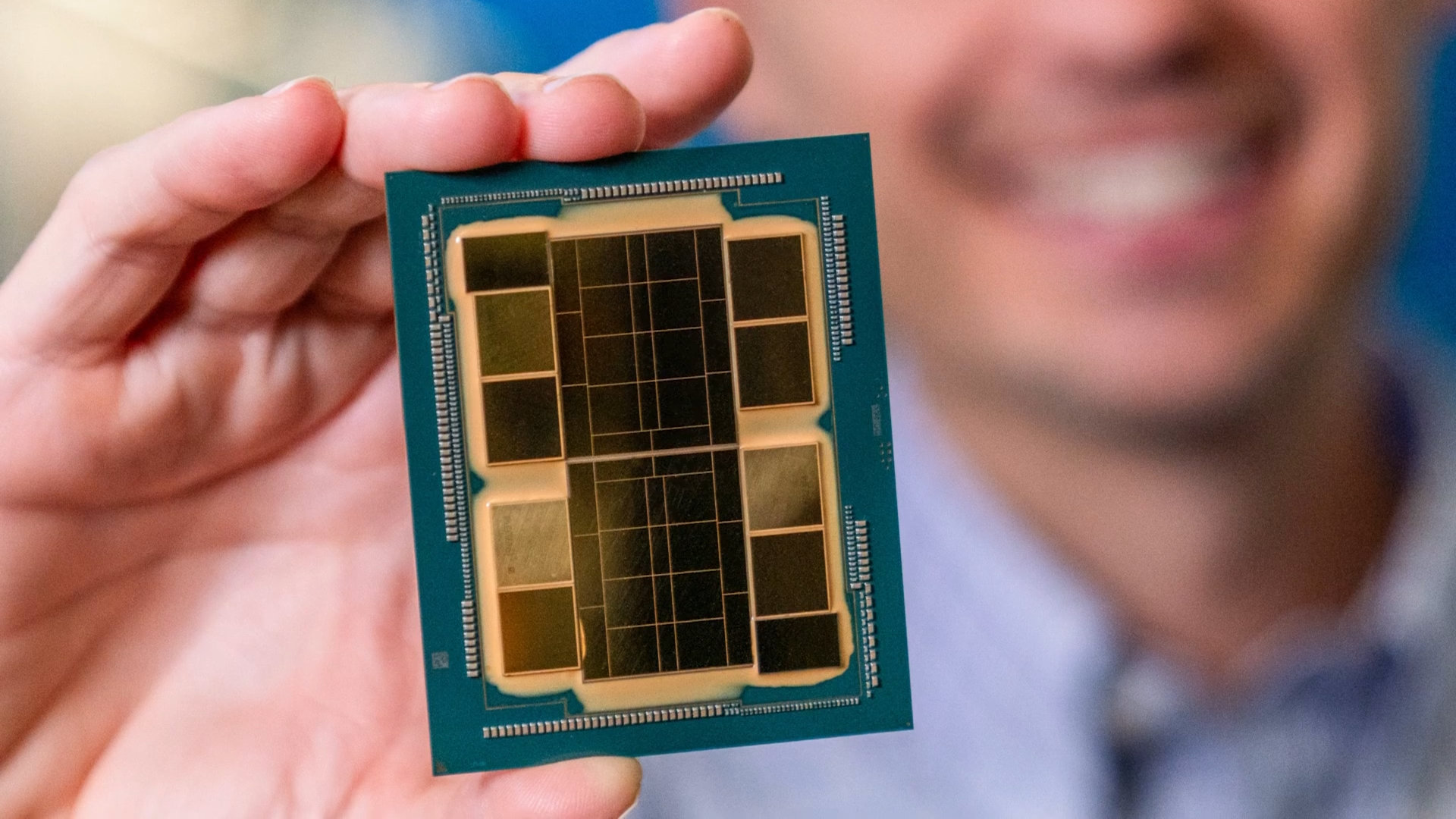
- Up to 10x higher bandwidth between dies compared to traditional packaging.
- Lower latency, which is critical for real-time AI processing.
- Better thermal efficiency, reducing the need for aggressive cooling solutions.
These improvements translate to more efficient AI systems, whether they’re used in data centers or edge devices. For PC builders, this means better performance per watt, which is a key consideration in today’s power-conscious hardware landscape.
Who Stands to Benefit?
The rise of EMIB could have significant implications for both AI developers and everyday users. For developers, it opens up new possibilities for designing more powerful and efficient AI chips. This could lead to faster innovation cycles and more competitive products in the market.
For end-users, the benefits are more tangible. Better packaging technology means better performance, lower power consumption, and potentially lower costs. While the average consumer may not notice these changes immediately, they will see the impact over time as AI becomes more integrated into everyday devices.
The Road Ahead
Intel’s push into advanced packaging is still in its early stages, but the signs are promising. The company’s focus on EMIB is part of a broader strategy to compete with TSMC in the high-performance packaging space. While TSMC remains the dominant player, Intel’s efforts could shift the balance over time.
For now, the key takeaway is that EMIB is a viable alternative to CoWoS, offering performance and efficiency benefits that could reshape the AI hardware market. Whether this will lead to broader adoption remains to be seen, but the potential is undeniable. As Intel continues to refine its technology, it could become a standard-bearer in advanced packaging, much like TSMC has been for years.
The question isn’t whether EMIB will succeed, but how quickly it can gain ground and what that means for the future of AI hardware development.