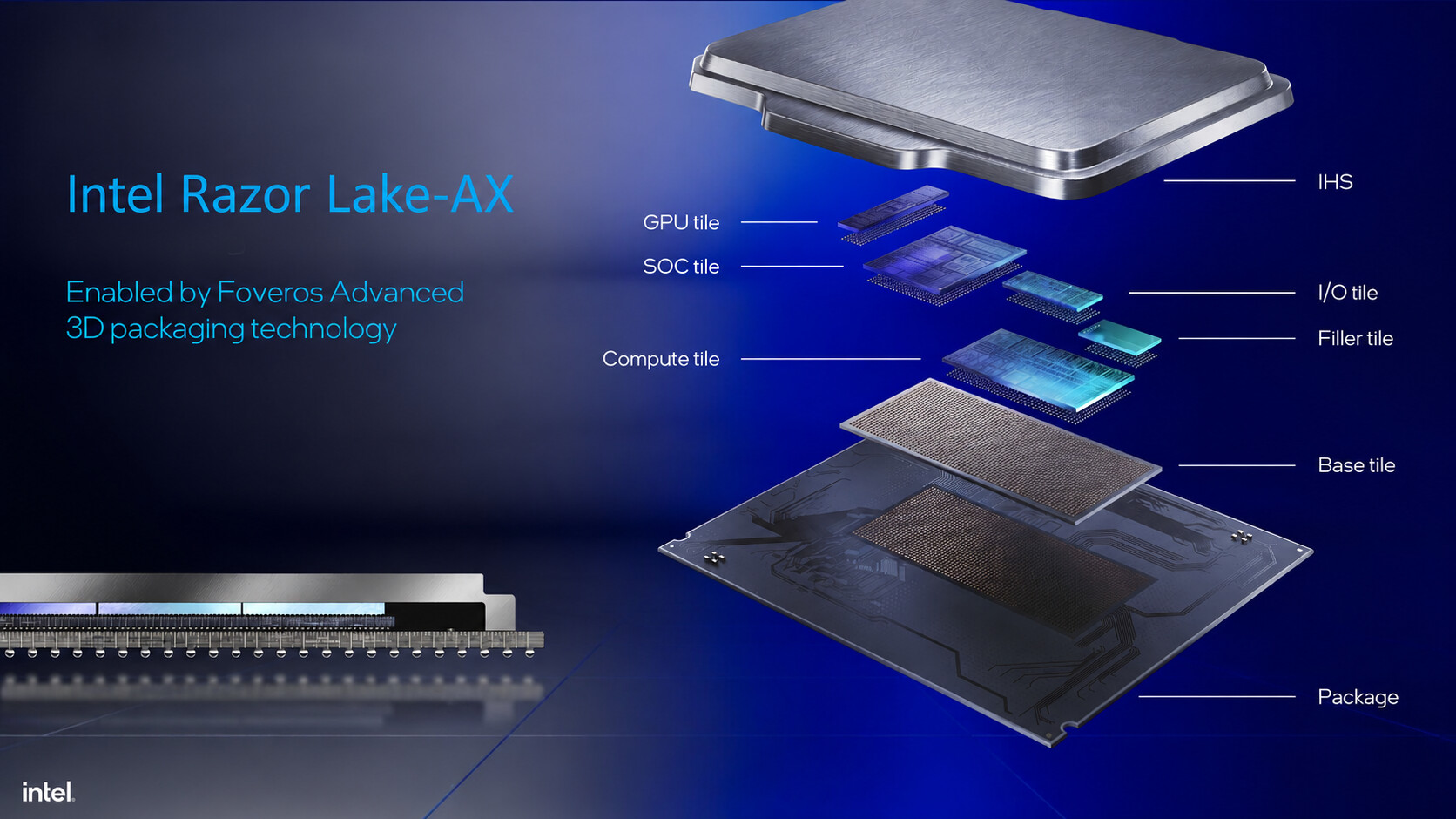
Intel’s foundry ambitions now hinge on a single customer: Apple. The tech giant’s first major external chip order comes from the upcoming iPhone 16 series, built using Intel’s cutting-edge 20A process node. While this deal could mark a turning point for Intel’s struggling foundry division, it also raises critical questions about sustainability beyond Apple’s ecosystem.
- Process Node: 20A (Intel’s most advanced)
- Volume: Billions of units (iPhone 16 series)
- Design: Custom Apple Silicon (ARM-based, not x86)
- Impact: Intel gains foundry revenue but risks over-reliance on one client
The iPhone 16 will be the first major product manufactured using Intel’s 20A process. This represents a significant shift for Intel, which has long been associated with x86 architectures. By producing Apple’s ARM-based chip, Intel is stepping into direct competition with its own legacy while positioning itself as a leader in advanced semiconductor manufacturing.
For Intel, this deal could strengthen its foundry capabilities and generate much-needed revenue. However, the long-term viability of this strategy remains uncertain. If demand for 20A chips extends beyond Apple’s ecosystem, Intel may solidify its place in the foundry market. But if this proves to be a one-off relationship, the company risks being left with a high-cost process node and limited diversification.
PC builders and other hardware manufacturers may not see immediate benefits from this partnership. While Apple could potentially see cost reductions for high-end iPhones, Intel’s foundry success would primarily serve its largest customer. Without broader adoption, Intel faces the challenge of attracting other clients who require proven stability and scalability.
The real test lies in whether Intel can replicate this success with other designs. A single high-volume order is not enough to sustain a foundry business—Intel needs to demonstrate long-term reliability and innovation to justify its investment. Until then, the future of 20A remains uncertain, leaving Intel at a crossroads between risk and opportunity.