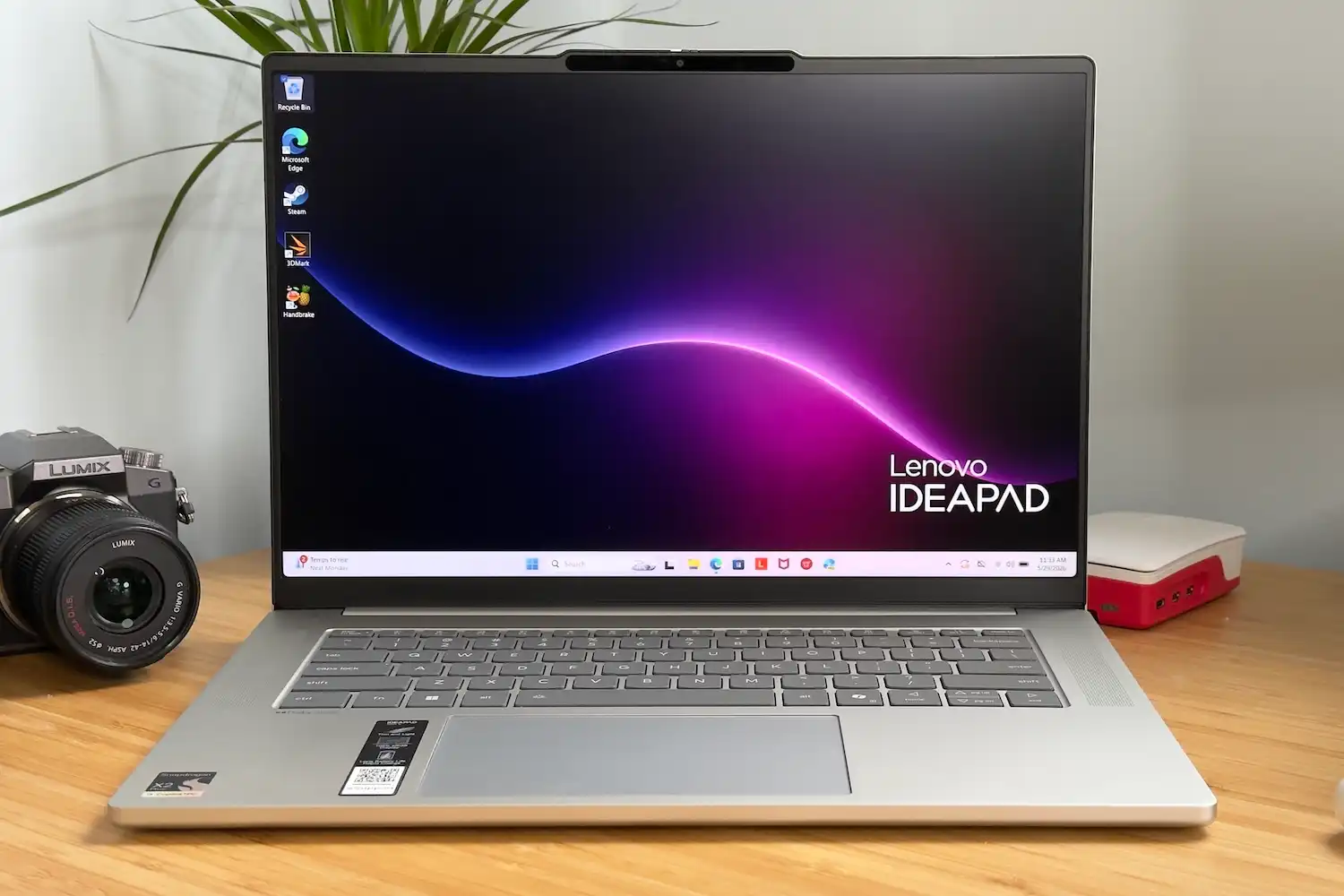
The race to extend laptop battery life has entered a new phase. While Apple’s M-series chips dominate efficiency benchmarks, Intel’s latest Panther Lake architecture is closing the gap—especially when paired with strategic optimizations like Samsung’s Galaxy Book6 Ultra. The Core Ultra 7 356H isn’t just a technical refresh; it’s a calculated push to redefine what’s possible in x86 mobile computing. The laptop’s ~25.7 hours of runtime in 4K video playback—while falling short of Samsung’s 30-hour claim—still outpaces most discrete-GPU rivals, proving Intel’s focus on thermal and power management is yielding tangible results.
Yet the discrepancy between advertised and tested figures raises questions about how manufacturers measure endurance. Samsung’s claim likely assumes ideal conditions: minimal background activity, low brightness, and perhaps even a single-core workload. Real-world use—with multitasking, variable screen brightness, and background sync—can shave off hours. Still, the 63% charge in 30 minutes (a figure Samsung provided) underscores that fast charging remains a strength, even if sustained runtime requires compromise.
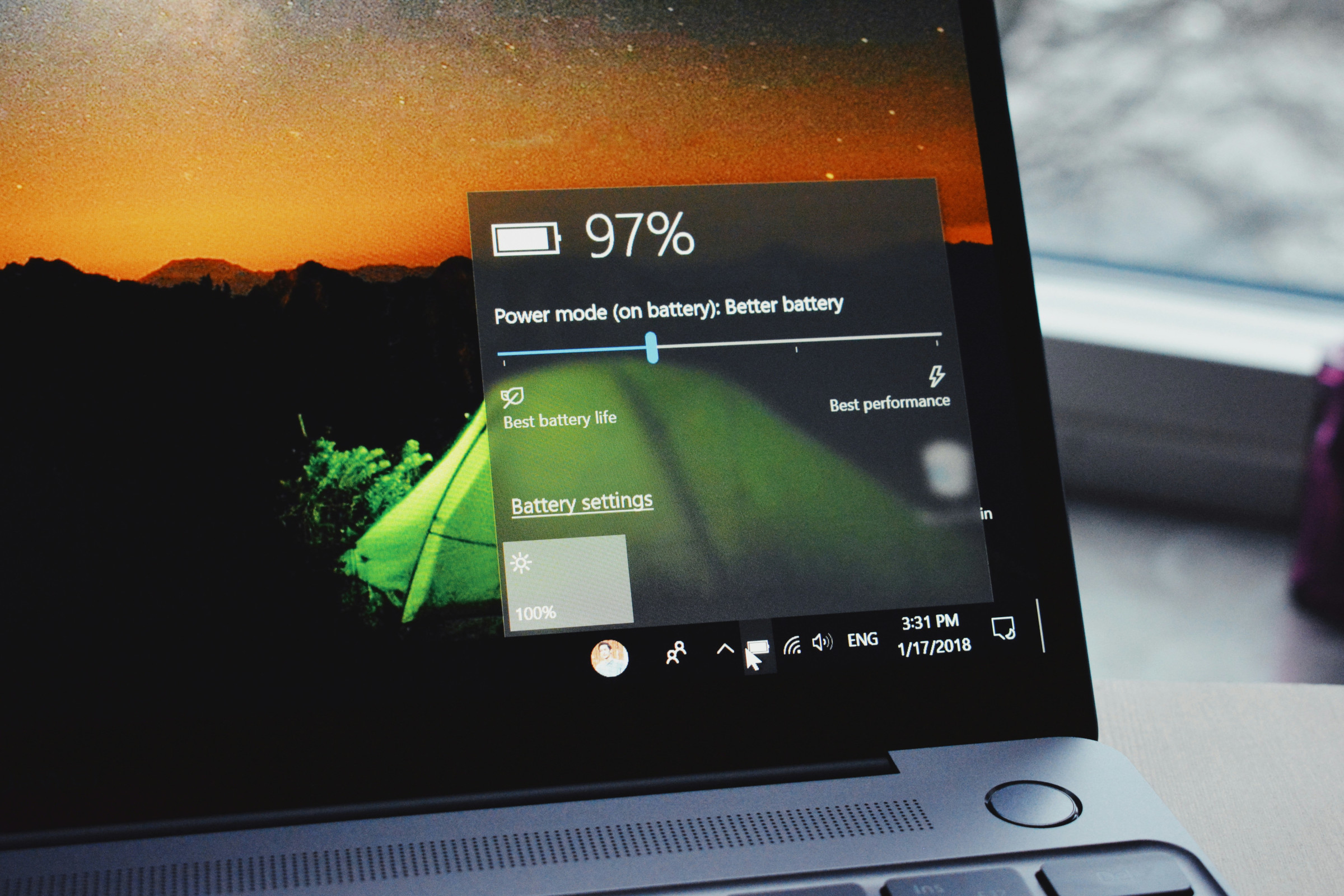
The Core Ultra 7 356H’s efficiency gains come from a mix of architectural tweaks and Nvidia’s AI-driven power optimizations for RTX GPUs. Unlike Arrow Lake, which struggled with sustained multi-core workloads, Panther Lake refines Intel’s Lunar Lake foundation with better core utilization. This isn’t just about raw battery life; it’s about maintaining performance without throttling. For creators and power users, that balance is critical.
What sets the Galaxy Book6 Ultra apart isn’t just its endurance but its ability to sustain high workloads—like 4K editing or AI inference—without the thermal throttling that plagues many competitors. The laptop’s 16GB LPDDR5X RAM and 1TB SSD further reduce idle power draw, a detail often overlooked in battery life discussions.
For consumers, the takeaway is clear: Intel’s Panther Lake is a step forward, but not a revolution. The ~25.7-hour mark is impressive, yet the 30-hour gap serves as a reminder that real-world usage is unpredictable. Manufacturers will continue pushing limits, but buyers should treat headline figures as aspirational rather than guaranteed. The Galaxy Book6 Ultra proves that x86 can compete with ARM efficiency—but only when hardware and software work in perfect harmony.