Intel’s Panther Lake SoC: A New Contender in Handheld Gaming
CES 2026 witnessed a notable shift in focus as Intel showcased its Panther Lake family of System-on-Chips (SoCs), generating considerable buzz within the gaming community, particularly concerning handheld devices. The unveiling coincided with a strategic repositioning for Intel, signaling an intent to reclaim market share previously dominated by competitors.
Key Features and Architectural Changes
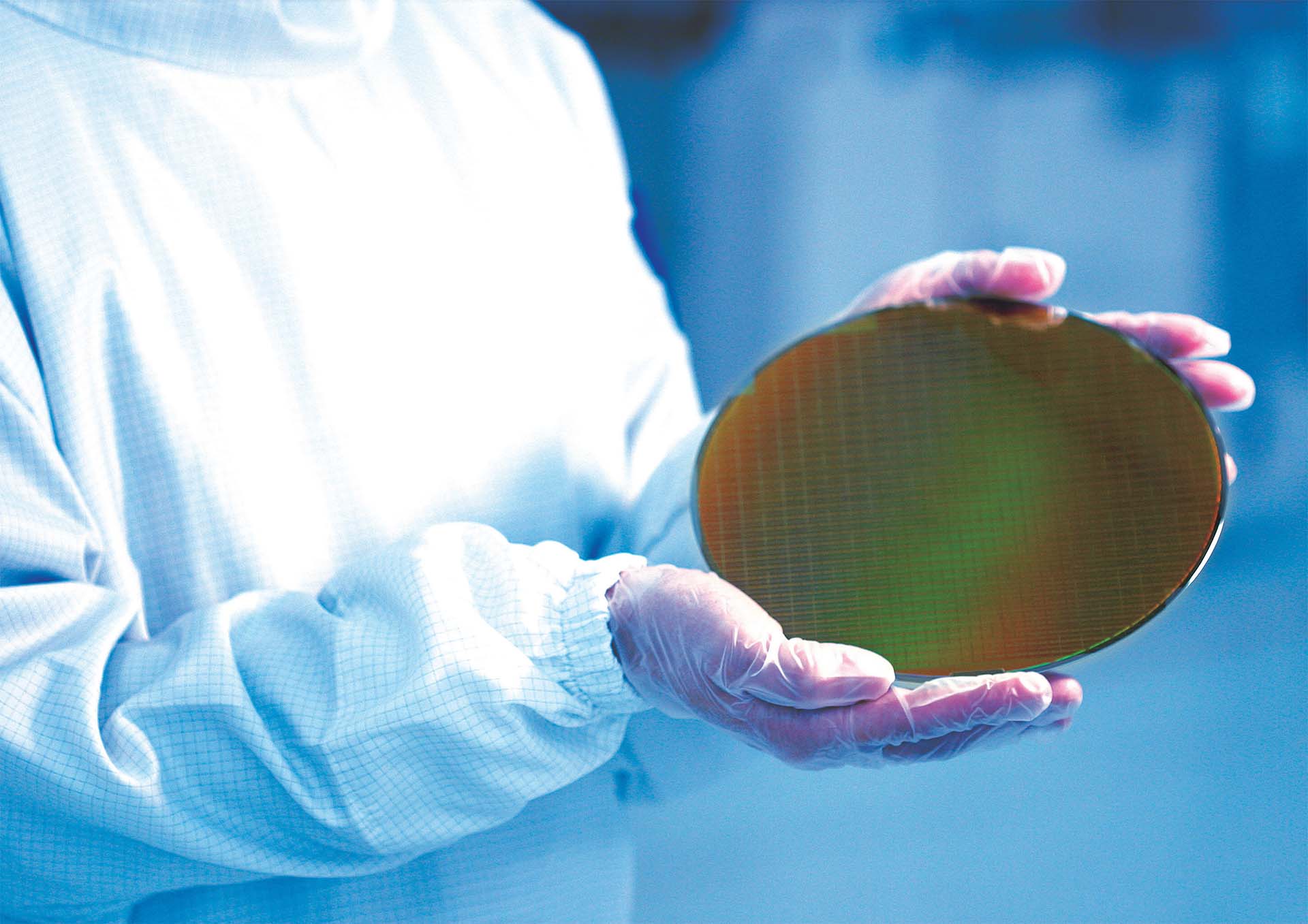
The Panther Lake SoCs represent Intel’s first implementation of its 18A process node, marking a crucial step in the company's efforts to improve manufacturing efficiency and deliver enhanced performance. At the core of this launch is a redesigned architecture heavily emphasizing E-cores alongside traditional P-cores. This dual-core strategy aims to provide a balanced approach, catering to both demanding gaming workloads and more efficient background tasks commonly found in mobile devices.
Intel’s promotional materials highlight significant strides made in the E-core technology. These cores are designed for optimized power efficiency while still delivering substantial processing capabilities. The company asserts that these advancements provide a tangible competitive advantage when compared to AMD’s offerings within the handheld gaming segment.
“Ancient Silicon” – Intel's Direct Critique of AMD
A particularly noteworthy element of Intel’s messaging was its direct comparison between its Panther Lake SoCs and AMD’s competing APUs, referring to them as “ancient silicon.” This assertive language underscores what Intel believes is a substantial technological gap in AMD’s current product offerings. While not explicitly detailing the specific shortcomings, the implication is that AMD's technology hasn't kept pace with recent advancements in areas like core design and manufacturing processes.
XeSS 3 Integration & Arc iGPU Advancements
Beyond the Panther Lake SoCs themselves, Intel’s CES presentation also showcased enhancements to its XeSS (Xe Super Sampling) upscaling technology, now rebranded as XeSS 3. XeSS 3 promises improved image quality and performance scaling capabilities for games utilizing the Arc series of integrated graphics processing units (iGPUs). This integration is intended to bolster the overall gaming experience across a wide range of titles.

The company also emphasized continued development within its Arc iGPU line, aiming to reduce latency and improve performance. This strategic focus on integrated graphics reflects Intel’s commitment to providing viable alternatives for gamers who may not require dedicated high-end GPUs.
Competitive Landscape & Market Positioning
The introduction of Panther Lake directly challenges AMD's dominance in the handheld gaming market, where its Ryzen APUs have gained considerable traction. AMD’s success has been largely attributed to a combination of competitive pricing and effective marketing focused on delivering strong performance at an accessible price point.
Intel’s strategy appears to be centered around leveraging its established brand recognition and technological expertise to compete directly with AMD's offerings. The emphasis on E-core technology and the 18A process node suggests a deliberate effort to close the performance gap and provide a compelling alternative for gamers seeking handheld gaming solutions.
Potential Implications & Future Developments
The success of Panther Lake will likely hinge on several factors, including its actual performance in real-world gaming scenarios, the availability of compatible accessories (such as controllers and docks), and Intel’s ability to effectively market the SoCs to consumers. Furthermore, ongoing improvements to XeSS 3 and the Arc iGPU series will be crucial for maintaining a competitive edge.
Industry analysts predict that this launch could trigger a renewed period of competition within the handheld gaming segment, potentially benefiting consumers through increased innovation and improved product offerings. The battle between Intel and AMD promises to be closely watched as both companies vie for dominance in this rapidly evolving market.