Intel has taken a bold step that could redefine its approach to semiconductor manufacturing. The tech giant is placing a substantial order for equipment designed for advanced packaging, specifically targeting EMIB (Embedded Multi-die Interconnect Bridge) technology. This move isn't just about scaling up production; it's a strategic pivot that hints at Intel's long-term vision for chip design and efficiency.
Advanced packaging has become a critical frontier in semiconductor innovation. Unlike traditional monolithic chips, which stack transistors vertically, advanced packaging like EMIB allows designers to integrate multiple dies horizontally. This approach can significantly reduce power consumption and improve performance, making it a game-changer for high-performance computing, AI, and even mobile devices. Intel's decision to invest heavily in this technology suggests that it sees EMIB as more than just an incremental improvement—it’s a foundational shift.
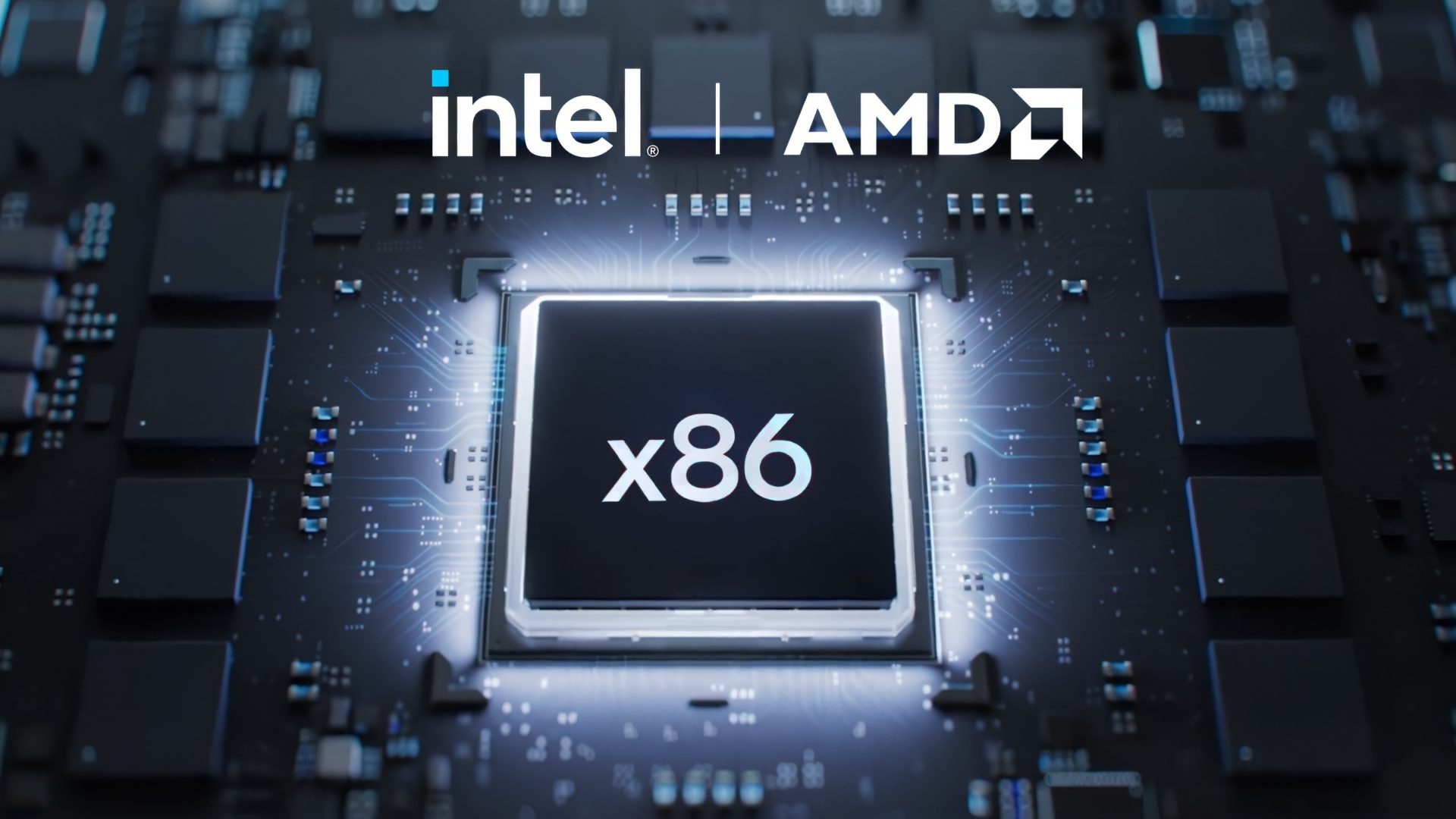
So, what does this mean for gamers and power users? The primary implication is cost. Advanced packaging can lower operational costs by reducing the number of transistors needed while maintaining or even boosting performance. For Intel, this could translate into more competitive pricing for its CPUs and GPUs in the coming years. However, the transition isn't without challenges. EMIB technology is still relatively new, and scaling it to mass production requires significant R&D investment. While Intel's order signals confidence, it also raises questions about the timeline for widespread adoption and whether competitors like AMD or TSMC can keep pace.
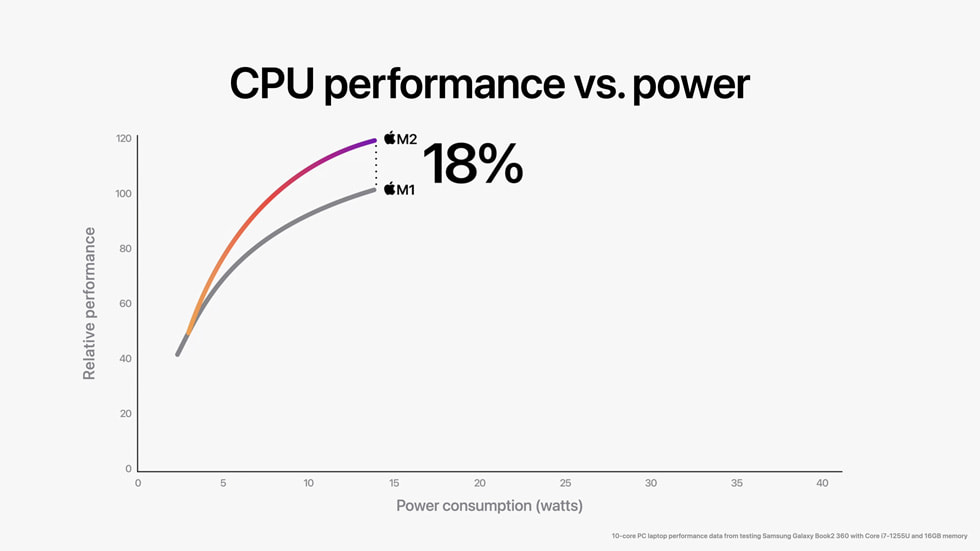
Looking ahead, this move could accelerate Intel's push into high-performance markets where advanced packaging is already a standard. For instance, Apple has been using EMIB in its latest chips, proving its viability. But will Intel be able to leverage this technology effectively without leaving too much ground for competitors? The market dynamics here are complex, and Intel’s success hinges on how quickly it can integrate EMIB into its product roadmap while managing the operational costs.
For now, gamers and enthusiasts should keep an eye on Intel's next-gen processors. If this strategy pays off, we could see a new era of more power-efficient and cost-effective hardware. But patience will be key—this isn't a quick fix; it’s a long-term play with uncertain outcomes. The question remains: who stands to benefit most from this shift? Early adopters of Intel's EMIB-based products likely will, but whether that translates into tangible improvements for end-users is still up in the air.