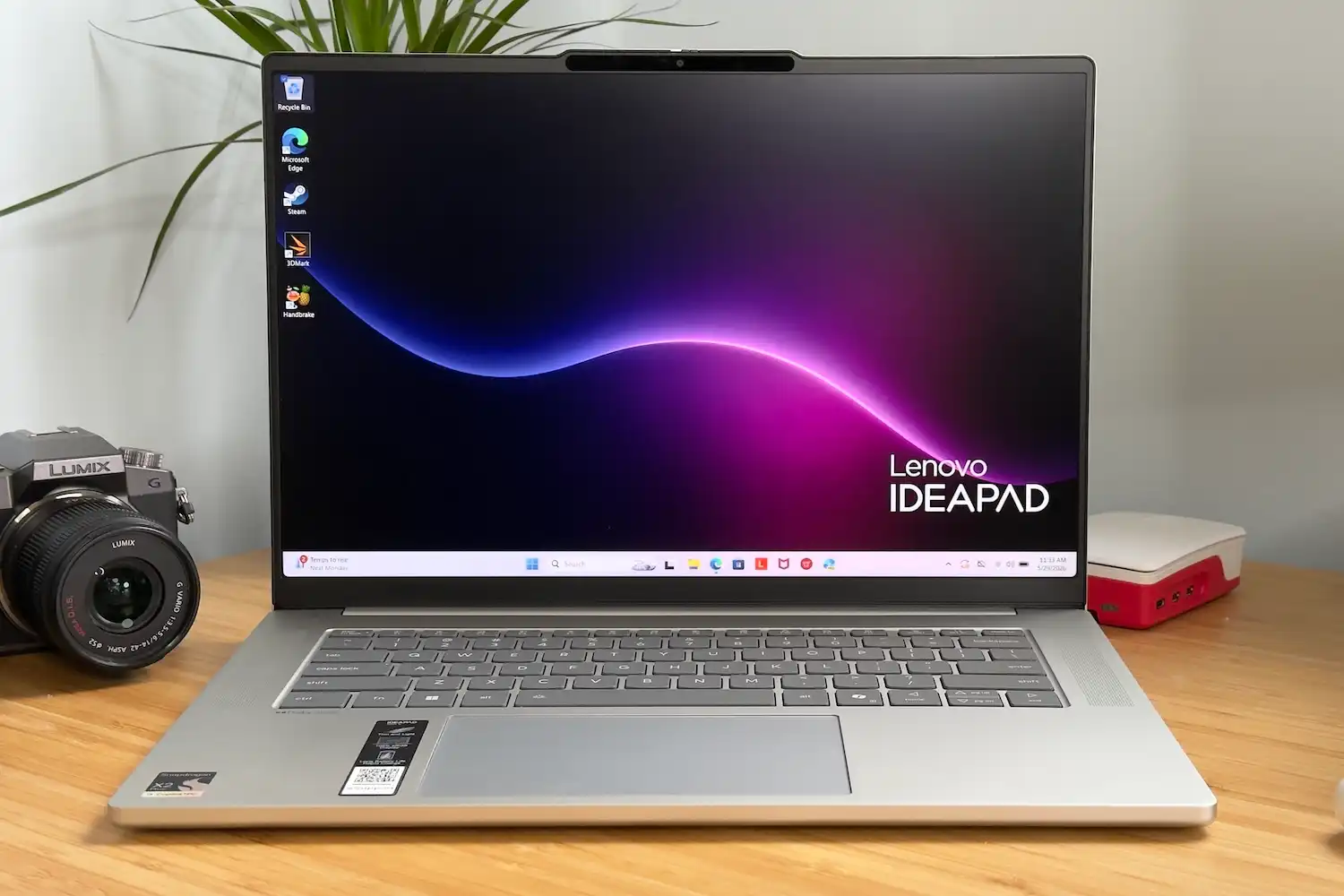
Laptops that deliver near-professional performance without the premium price tag have long been a rarity. Intel’s latest Wildcat Lake platform may change that, but its success will depend on how well it balances raw power with real-world efficiency—a challenge that has stymied previous attempts in this segment.
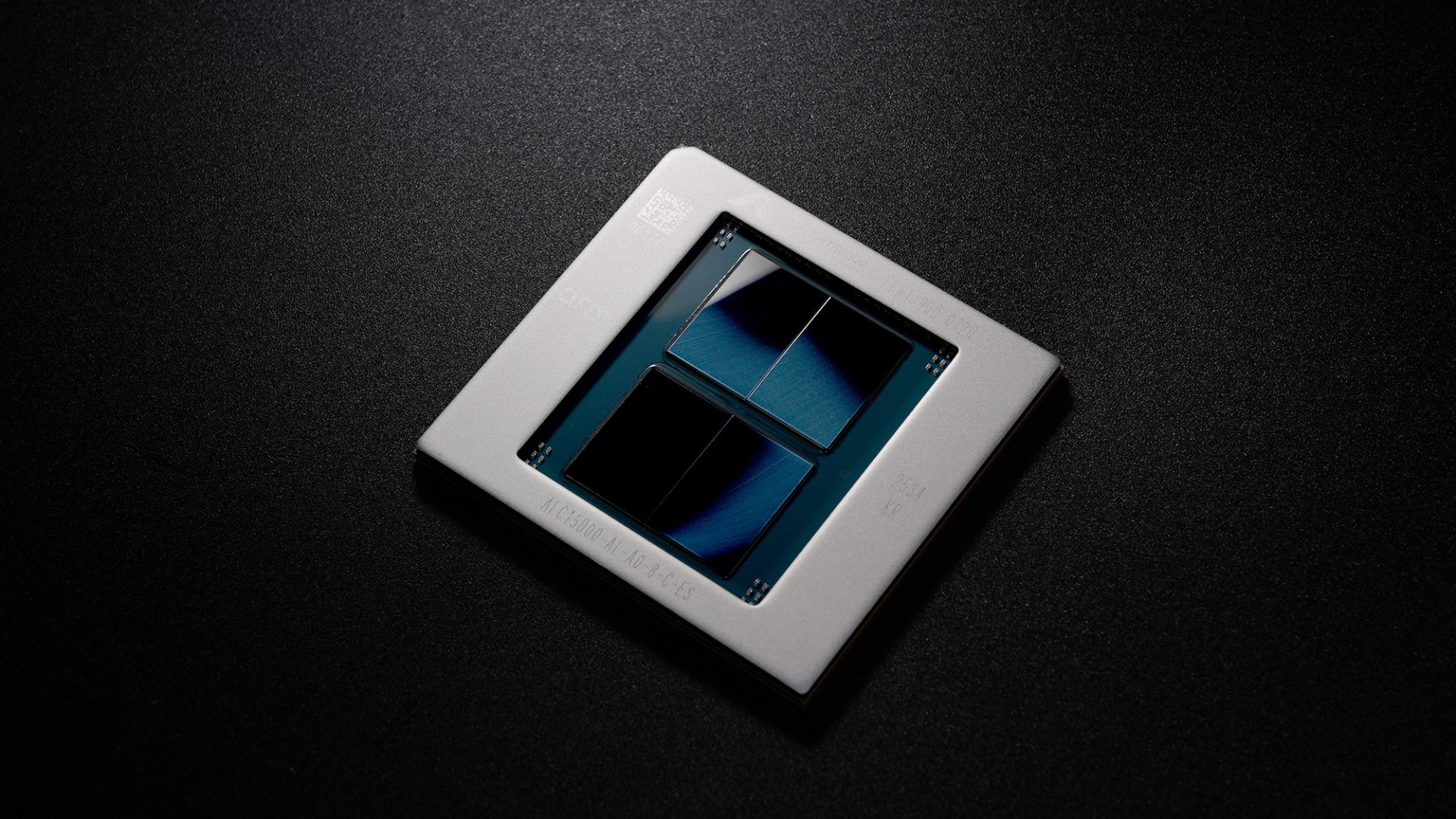
The Wildcat Lake platform introduces an 18-core, 24-thread CPU configuration, a notable jump from the 14-core, 20-thread setup of its predecessor. This increase is designed to handle demanding workloads more effectively, whether it’s rendering graphics, compiling code, or running virtual machines. However, the real innovation lies in its approach to thermal design and power efficiency. With a reported 35-watt TDP for the core chip, Intel claims the integrated GPU can deliver 1080p performance without significantly impacting battery life—a critical factor for laptops targeting small businesses and content creators.
The Shift Toward Mainstream Performance
Wildcat Lake is built on Intel’s established Raptor Lake architecture but with key refinements. The additional cores and threads are aimed at improving multitasking capabilities, while the platform’s focus on efficiency could make it a viable alternative to Apple’s M-series chips in the mid-range segment. Early benchmarks suggest a 20-25% improvement in single-threaded performance over its predecessor, but sustained workloads remain untested.
This isn’t just about raw numbers, though. The platform’s success will hinge on how well it integrates into laptops without sacrificing battery life or portability. Previous generations have struggled with this balance, and Wildcat Lake must prove it can do better. If it succeeds, it could become the first Intel chip to seriously challenge Apple’s dominance in the mid-range market.
Who Benefits and Who Should Wait
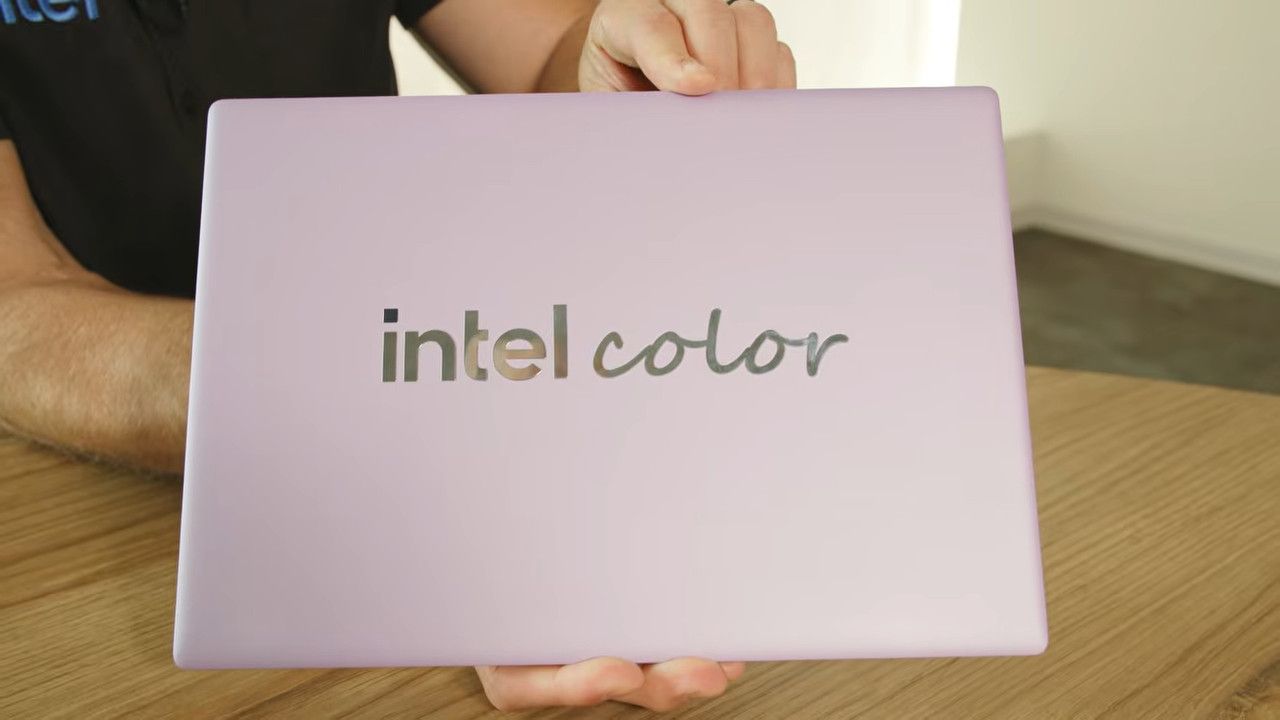
- The target audience for Wildcat Lake is clear: small businesses and content creators who need more power than an ultrabook can offer but don’t want the bulk or cost of a workstation. The platform is designed to handle light to moderate workloads, such as video editing, database management, or basic 3D modeling, without requiring external GPUs or liquid cooling.
- However, uncertainty remains about whether these chips will support PCIe 5.0 or DDR5-6000 memory. If Intel sticks to PCIe 4.0 and DDR5-4800, the platform’s longevity could be limited for users with future-proofing in mind.
- The focus is on affordability: Wildcat Lake is positioned as a $300–$600 range chipset, targeting laptops that currently sit between $700 and $1,200. This price point could make it an attractive option for users who need more power without breaking the bank.
The most significant change isn’t just the performance boost—it’s Intel’s attempt to redefine what ‘mainstream’ means in the laptop market. If Wildcat Lake delivers on its promises, it could become a game-changer, offering a compelling alternative to Apple’s M-series chips. But whether it lives up to that potential remains to be seen.
Rollout and Availability
Intel has not yet announced an exact rollout timeline for Wildcat Lake, but industry reports suggest that laptops featuring this platform could hit the market in late 2024. If the platform performs as expected, it could quickly become a staple in mid-range laptops, offering users a balance of power and efficiency that has been lacking in this segment.