Apple’s push for thinner iPhones has hit a wall—literally. The current iPhone Air, already just 5.6mm thick, lacks space for a second camera or a larger battery, leaving its photography and endurance capabilities behind competitors. Now, a new rumor suggests the iPhone Air 2 could resolve this dilemma with a radical redesign: a thinner Face ID sensor to accommodate a second 48MP ultrawide camera, arranged horizontally beside the primary lens.
At a glance
- Dual-camera leap: A 48MP ultrawide sensor joining the primary camera in a horizontal layout, potentially replacing the single-camera setup of the iPhone Air.
- Face ID overhaul: A customized, ultra-thin version of the facial recognition module to free up internal space for the new camera.
- No periscope zoom: Space constraints may rule out a telephoto lens, even if a periscope design is considered.
- Delayed launch: Expected in Spring 2027, separate from the iPhone 18 series, giving Apple time to refine the tech.
- MacBook spillover: The thinner Face ID sensor could also appear in future MacBooks, though details remain vague.
- Production gamble: Despite the iPhone Air’s weak sales (down by 1 million units), Apple isn’t scrapping the line—just rethinking its limits.
The squeeze play
The iPhone Air’s ultra-slim profile is its signature, but it comes at a cost. The current model skips a second camera and a long-lasting battery to keep thickness under 5.6mm. The rumored iPhone Air 2 flips this script by shrinking the Face ID sensor—a component already thinner than competitors’ fingerprint readers—to make room for a dual-camera system. The result? A 48MP ultrawide lens sitting beside the primary shooter, offering a wider field of view for group shots and landscapes.
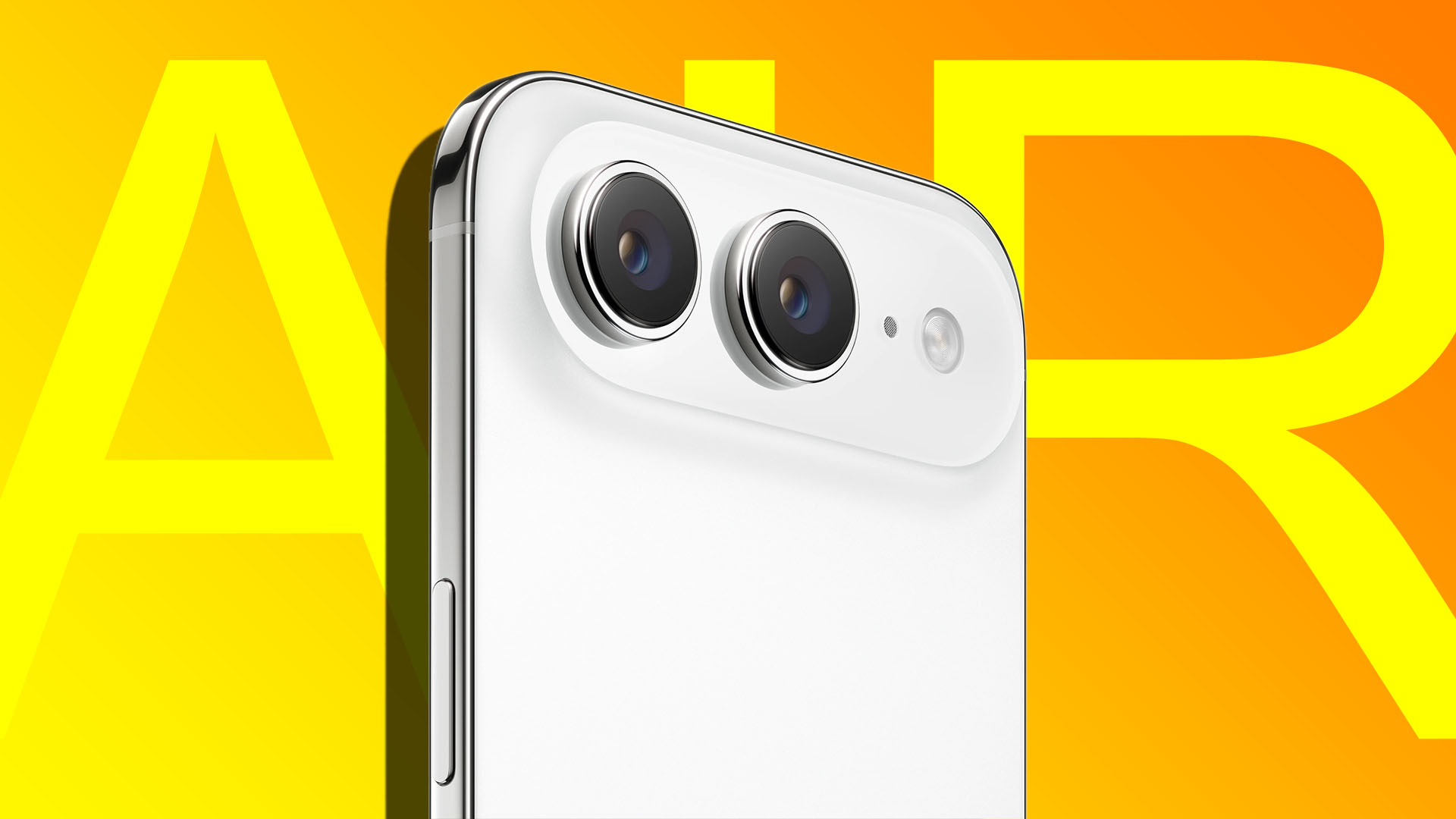
This isn’t just about adding a camera. Apple’s suppliers are reportedly working on a custom Face ID module that could also trickle down to MacBooks, where space is equally precious. However, the trade-off is clear: no room for a periscope zoom lens, even if Apple explores one. The horizontal camera layout, inspired by the iPhone 15 Pro’s design, would require precise engineering to avoid bulk.
What’s at stake?
For Apple, the iPhone Air 2 represents a high-stakes bet. The original model underperformed in sales, but the company isn’t backing down. By prioritizing photography—a key differentiator in the mid-range market—the update could attract buyers who’ve been waiting for a compact yet capable iPhone. However, the lack of a telephoto lens might disappoint users expecting zoom versatility.
The thinner Face ID sensor could also signal a broader shift in Apple’s hardware philosophy, where form follows function—even if it means rethinking decades-old components. If successful, this approach might redefine what’s possible in a sub-6mm smartphone, pushing competitors to follow suit.
The bottom line
The iPhone Air 2’s rumored specs paint a picture of ambition clashing with physics. A dual-camera system in a device this slim would be a feat, but whether it’s enough to revive the Air line remains to be seen. With a Spring 2027 launch on the horizon, Apple has time to refine the design—but the pressure to deliver on its thinness-first vision is higher than ever.