The iPhone Air has quietly become a standout performer in Apple’s lineup, outselling both the more expensive iPhone 16 Plus and Samsung’s flagship Galaxy S25 Edge. This shift challenges assumptions about consumer preferences and highlights a growing niche for mid-range smartphones that balance cost and performance.
Analysts had anticipated stronger demand for the iPhone 16 Plus due to its larger display, premium build, and advanced features like ProMotion. However, sales data suggests the Air’s more compact design, lighter weight, and competitive pricing have resonated with a broader audience—particularly younger users and those prioritizing portability over sheer size.
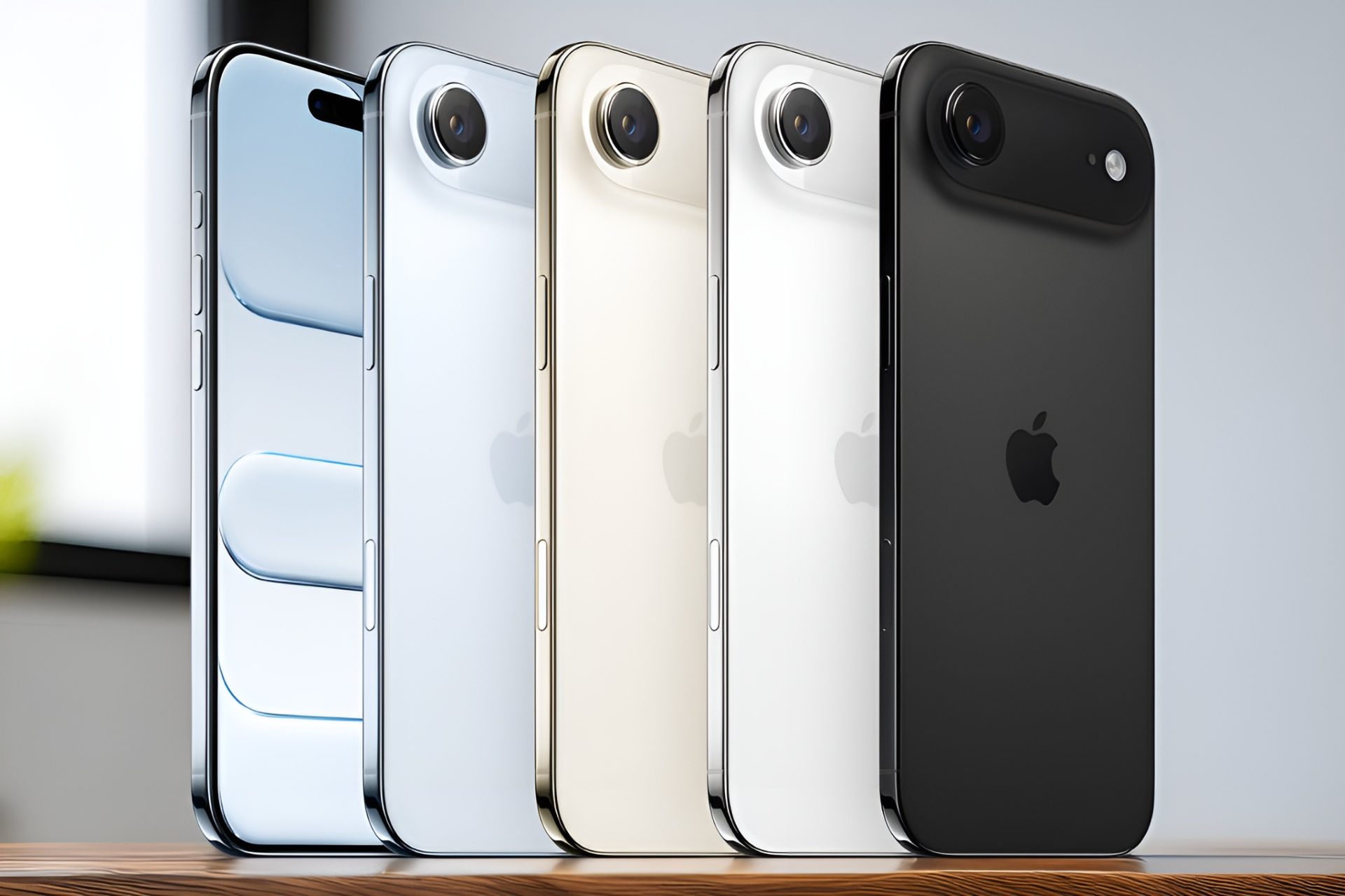
Samsung’s Galaxy S25 Edge, while technically refined, has struggled to match Apple’s momentum in this segment. Its edge-to-edge display and software optimizations haven’t been enough to offset Apple’s ecosystem advantages, leaving the iPhone Air as a clear front-runner in mid-tier sales.
This trend underscores a key dynamic: consumers are increasingly willing to trade minor premium features for better value, reshaping how tech companies position their products. For buyers, it means the iPhone Air offers near-flagship performance without the cost or bulk of larger models—a balance that may redefine expectations for future iterations.
The iPhone 16 Plus and Galaxy S25 Edge remain relevant in their own right, but the Air’s success signals a shift toward more practical, affordable design choices in an otherwise premium-driven market.