The A18 chip inside Apple’s upcoming iPad 12 carries a weight that goes beyond raw numbers. With a 3nm process, it delivers performance once reserved for higher-tier devices, now squeezed into a package aimed at budget-conscious buyers. That shift—moving advanced silicon to the entry level—is where the real story lies.
Apple’s move is not just about clock speeds or core counts. It’s about rethinking what an affordable tablet can do. The A18, paired with on-device intelligence features, suggests Apple is treating AI not as a premium add-on but as a standard expectation, even at the lowest price tier. That changes the calculus for developers and consumers alike.
Performance numbers tell part of the story: up to 20% faster CPU, 35% more GPU power than its predecessor, all while consuming less energy. But the implications stretch further—developing apps that leverage these gains without bloating battery life becomes a new constraint for software teams.
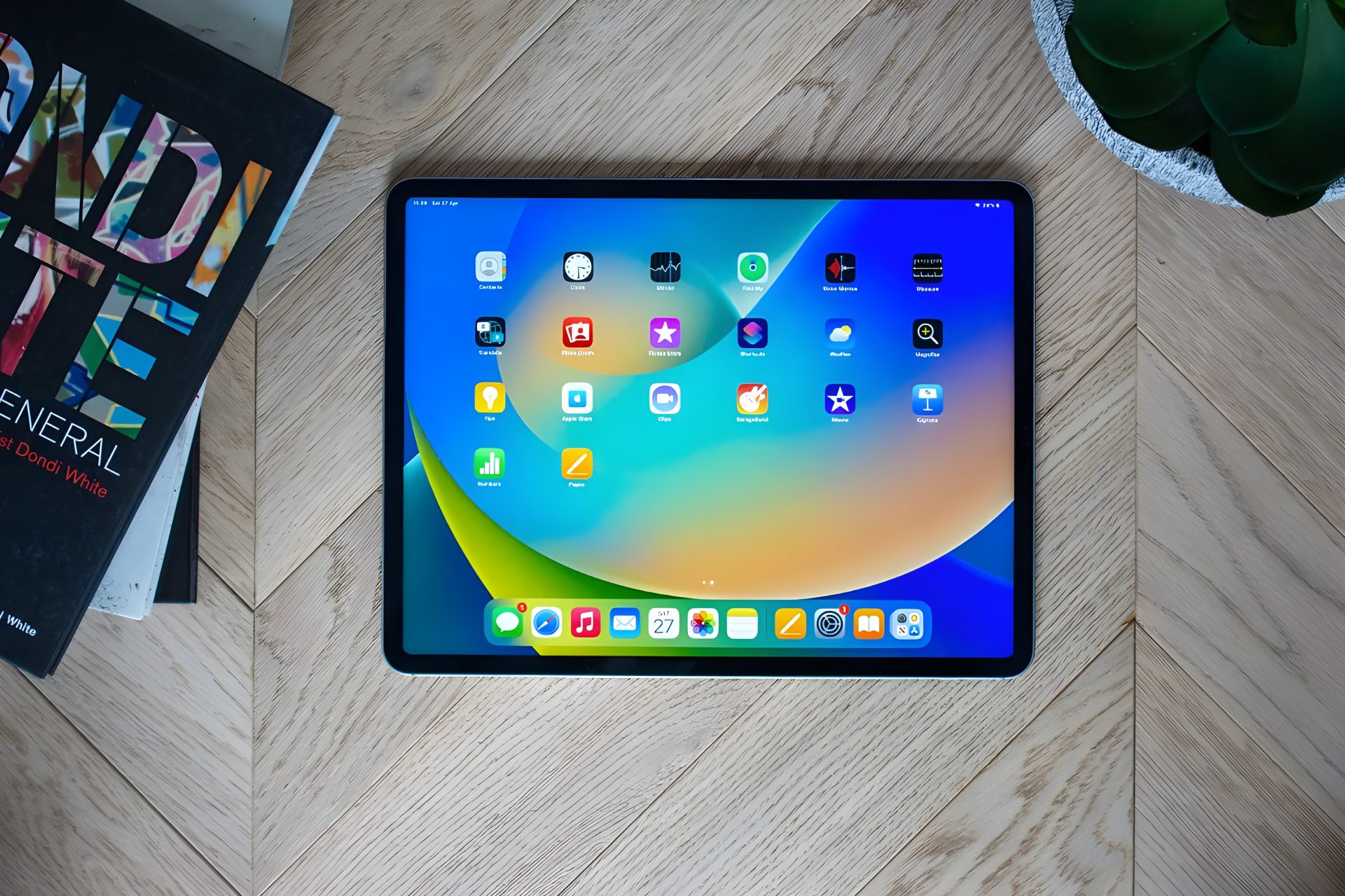
For developers, the challenge is balancing ambition with practicality. The A18’s efficiency means apps can run smoother, but memory management and thermal limits remain tight at this price point. Storage options—starting at 64GB—are a reminder that cost-cutting doesn’t always mean cutting corners.
- 64GB base storage (expandable via iCloud)
- Up to 20% CPU performance gain
- 35% GPU improvement over A17 Pro
- On-device AI processing (local, no cloud dependency)
The market dynamics are shifting too. Apple has historically let the iPad Air and Pro dominate higher price segments, leaving a gap at the bottom. Filling that with a device powered by A18-level silicon could pressure competitors to re-evaluate their own entry-level offerings.
What’s confirmed so far: the chip is real, the performance claims are plausible, and Apple Intelligence will be on-device from day one. What remains uncertain is how aggressively Apple will push this model against its own ecosystem—will it cannibalize iPad Air sales, or will it carve out a distinct niche? The answer may hinge on whether software updates keep pace with hardware ambitions.